As human beings evolved over millions of years, changes in lifestyle, diet, and anatomy rendered certain physical structures obsolete. Known as vestigial structures, these anatomical remnants remain embedded in our bodies like evolutionary footprints. Here are ten useless body parts and ancient reflexes that humans still carry around today.
10. Body Hair

While a thick coat of fur kept our mammalian ancestors insulated against freezing winds, modern humans rely on clothing and climate control. Aside from specialized hair like eyebrows that divert sweat from eyes, most fine body hair serves minimal thermoregulatory function.
The hair persists largely because the evolutionary cost of completely losing hair follicles is unnecessary for survival.
9. The Palmar Grasp Reflex
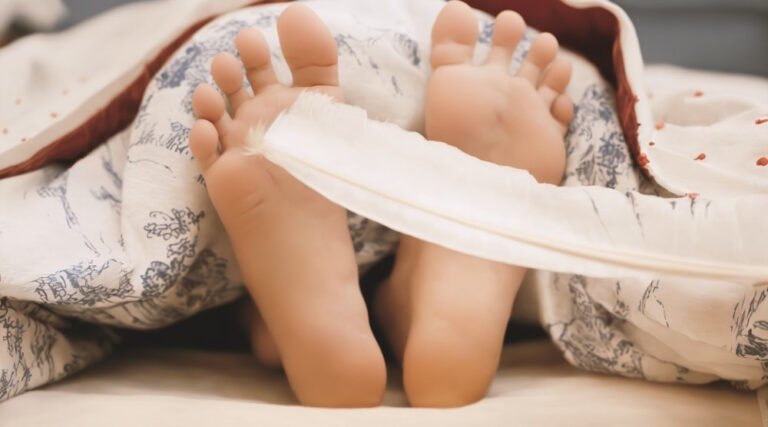
Stroke the palm of a newborn infant, and their tiny fingers will instantly close with astonishing strength, capable of supporting their entire body weight. This involuntary motor reflex is an evolutionary holdover from primate ancestors whose babies clung to maternal fur during treetop travel.
The reflex gradually disappears around four to six months of age as conscious motor coordination develops.
8. The Palmaris Longus Wrist Muscle
Extend your wrist and touch your thumb to your pinky finger: if a raised tendon pops out in the center of your wrist, you possess the palmaris longus muscle. Approximately fourteen percent of people are born without this muscle in one or both arms with zero loss of grip strength.
Primate ancestors used this tendon for arboreal swinging, while modern surgeons frequently harvest it for reconstructive tendon grafts.
7. The Plica Semilunaris: Third Eyelid Remnant
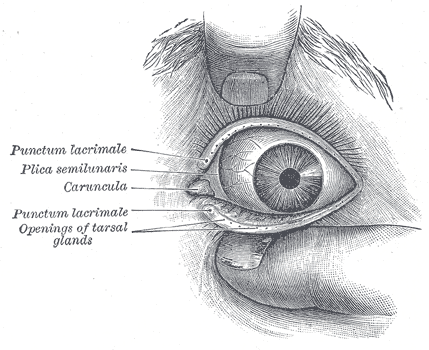
In the inner corner of your eye sits a small, pink, crescent-shaped fold of tissue known as the plica semilunaris. This structure is the evolutionary remnant of the nictitating membrane, a translucent third eyelid found in birds, reptiles, and sharks.
While animals use the membrane to moisten and protect the eyeball underwater, human eyes retain only this small tissue fold.
6. Male Nipples
During early embryonic development in the womb, all human fetuses develop along a basic female template for the first six weeks. Nipples and breast tissue develop before the male Y chromosome triggers the release of testosterone to direct male sexual differentiation.
Because male nipples carry no evolutionary disadvantage, they remain harmless vestigial features throughout adult life.
5. Extrinsic Ear Muscles
Some people possess the party trick of wiggling their ears without touching them, utilizing three small muscles surrounding the outer ear. Animals like cats and dogs constantly rotate their ears to pinpoint the precise location of predators and prey.
Because humans developed flexible necks that turn the entire head rapidly, independent ear movement became obsolete.
4. The Vermiform Appendix
Long considered the textbook example of a useless organ that only causes trouble through painful appendicitis, this small pouch hangs from the cecum. In plant-eating ancestors, a much larger appendix helped digest tough cellulose and plant leaves.
Modern immunologists discovered the appendix also serves as a secure reservoir for beneficial gut bacteria, restocking the intestines following severe illness.
3. The Coccyx: The Human Tailbone
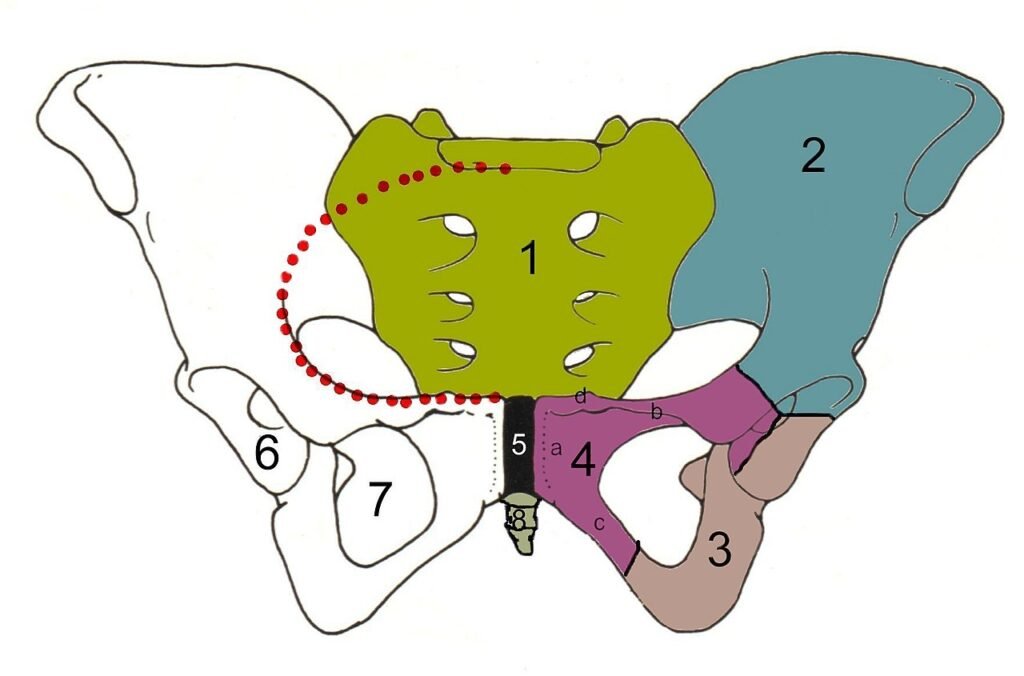
Located at the base of the vertebral column, the coccyx consists of three to five fused vertebrae that represent the remnant of an ancestral mammalian tail. Primate ancestors lost external tails millions of years ago as they adapted to upright bipedal posture.
While we no longer swing through branches, the coccyx still serves as an attachment point for various pelvic floor muscles and ligaments.
2. Goosebumps and Arrector Pili Muscles
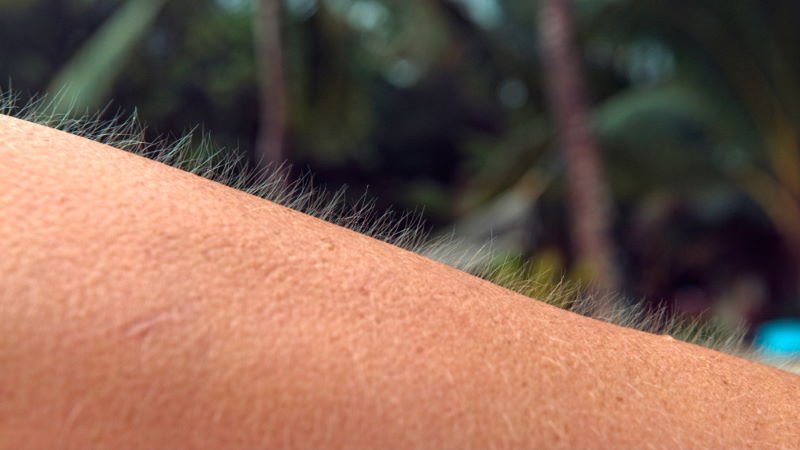
When cold or frightened, tiny smooth muscles called arrector pili contract, pulling hair follicles upright and forming goosebumps across the skin. For thick-furred mammals, this reaction traps an insulating layer of warm air and makes the animal appear larger to predators.
On modern hairless human skin, goosebumps produce bumpy skin without providing any noticeable warmth or intimidation.
1. Wisdom Teeth
Our ancient ancestors consumed tough, fibrous diets consisting of raw plants, roots, nuts, and uncooked meat, which severely wore down teeth and required a massive jaw with three sets of chewing molars. As humans discovered fire and mastered cooking, food became softer, and our jaws evolved to become smaller.
Consequently, third molars, or wisdom teeth, frequently become impacted, requiring painful surgical extraction because modern jaws simply lack space for them.