Scotland’s Loch Ness holds a legendary creature that has fascinated monster hunters for over a century. From medieval monastic legends to modern sonar expeditions, Nessie remains one of the world’s greatest folklore icons. Here are ten fascinating facts about the mystery lurking in the Scottish Highlands.
10. Officially Protected by British Law
Should Nessie ever show herself to the world, hunters cannot legally harm her. In the 1980s, the Wildlife and Countryside Act placed native Scottish wildlife under strict conservation protection.
Officials confirmed that any previously unknown aquatic species would automatically fall under these legal safeguards.
9. Wind Tunnels, Boat Wakes, and Swimming Deer
Many supposed sightings of humps breaking the surface can be explained by Scottish geography. The long, narrow trench of Loch Ness acts as a wind funnel, generating stationary waves known as seiches that travel against the wind.
Furthermore, red deer frequently swim across the loch with only their heads and antlers visible above the water, resembling serpentine crests from a distance.
8. A Multi-Million-Pound Economy and Lloyd’s Insurance
Nessie generates over 40 million pounds annually for the Scottish tourism economy through hotel bookings, boat cruises, and souvenir shops.
The commercial value was taken so seriously that whisky company Cutty Sark offered a one-million-pound reward for capturing the monster in 1971, prompting insurance syndicate Lloyd’s of London to underwrite the policy under the condition that Nessie was scientifically validated.
7. From Operation Deepscan to Drone Searches
In 1987, Operation Deepscan deployed a flotilla of 24 sonar-equipped boats across the loch in a coordinated sweep. The team detected three unexplained sonar contacts that were larger than ordinary fish yet moved under self-propulsion.
In 2023, modern researchers organized the largest surface watch in fifty years, deploying thermal imaging drones and hydrophones to listen for underwater acoustic signals.
6. Environmental DNA Sampling Points to Giant Eels
In 2019, geneticist Neil Gemmell from the University of Otago led a comprehensive environmental DNA study of Loch Ness, testing hundreds of water samples. The team found zero DNA traces of reptiles, dinosaurs, or large marine mammals.
They did, however, find enormous amounts of European eel DNA across every corner of the lake, leading scientists to propose that sightings could stem from unusually massive eels.
5. Why Nessie Cannot Be a Surviving Plesiosaur
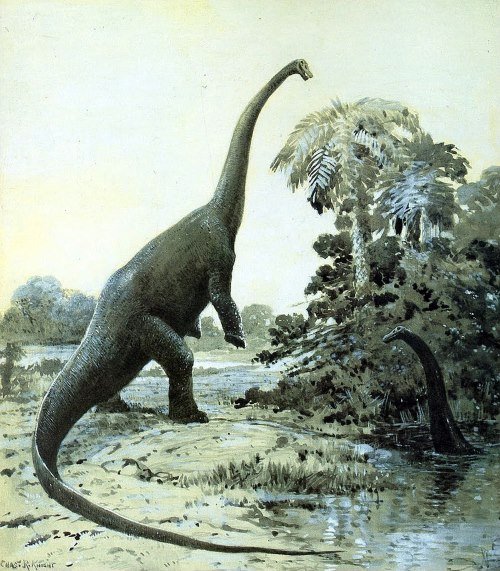
Popular imagination portrays Nessie as a surviving long-necked plesiosaur from the Mesozoic Era. Paleontologists point out that plesiosaurs were cold-blooded marine reptiles that breathed atmospheric air through lungs, meaning a creature would need to surface several times an hour in plain view.
Loch Ness was also covered by a massive sheet of ice during the last Ice Age ten thousand years ago, making prehistoric survival in the loch impossible.
4. The Surgeon’s Photograph Was a Staged Revenge Hoax
The iconic 1934 black-and-white photograph showing a slender neck emerging from ripples captivated the world for sixty years. In 1994, participant Christian Spurling confessed on his deathbed that the image was a staged hoax.
His stepfather, big-game hunter Marmaduke Wetherell, had been publicly ridiculed by newspapers for discovering fake monster tracks, so he crafted a toy neck out of plastic wood mounted on a clockwork model submarine to deceive the press.
3. A New Road and King Kong Sparked the 1933 Frenzy
Sightings surged dramatically in 1933 following two key events. First, workers blasted a brand new roadway along the northern shore of the loch, clearing dense forest and offering travelers an unobstructed view of the water.
Months earlier, the blockbuster movie King Kong debuted in theaters, featuring a dramatic confrontation between explorers and a long-necked aquatic creature that vividly influenced popular imagination.
2. Saint Columba Banished the Beast in 565 AD
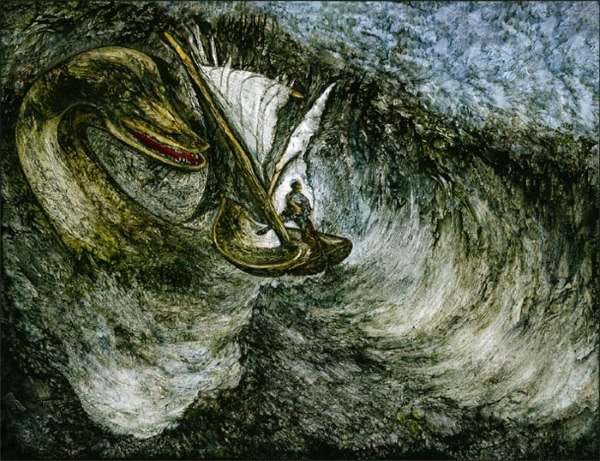
The earliest written account of a monster near Loch Ness appears in the biography of Irish monk Saint Columba, written by Abbot Adomnan around 700 AD. Columba encountered locals burying a man who had been bitten by a water beast in the River Ness.
When the beast lunged at another swimmer, Columba raised the sign of the cross and commanded the monster to flee, sending it retreating into the deep.
1. A Pitch-Black Lake Deeper Than the North Sea
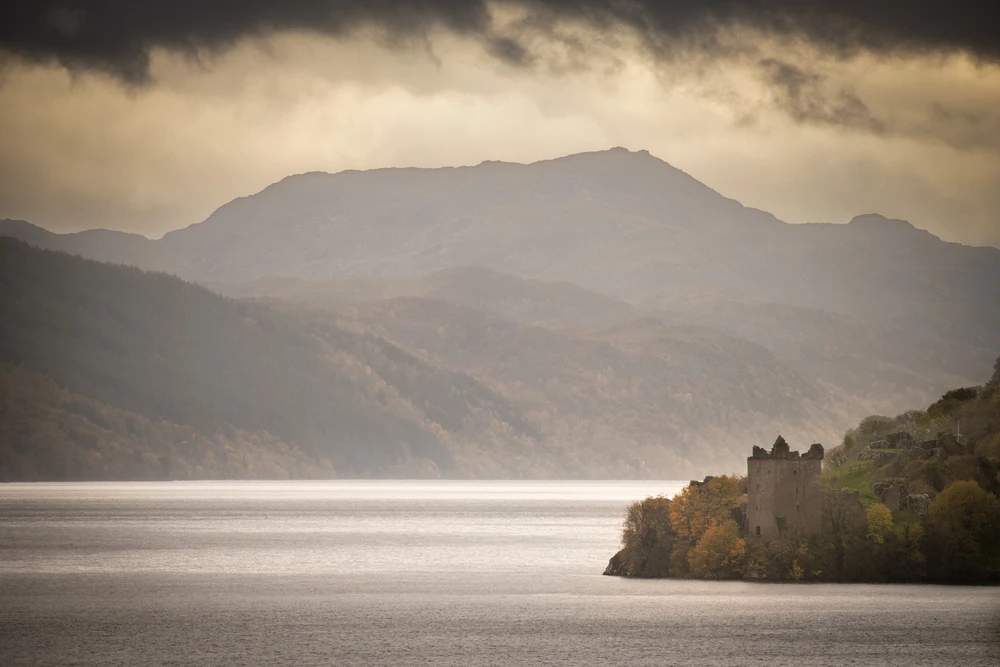
Loch Ness contains more freshwater than all lakes in England and Wales combined, reaching depths of nearly 230 meters. The water is exceptionally dark and murky due to high peat concentrations washed down from the surrounding Highlands.
Visibility drops to near zero just a few meters beneath the surface, creating an impenetrable abyss where folklore thrives.