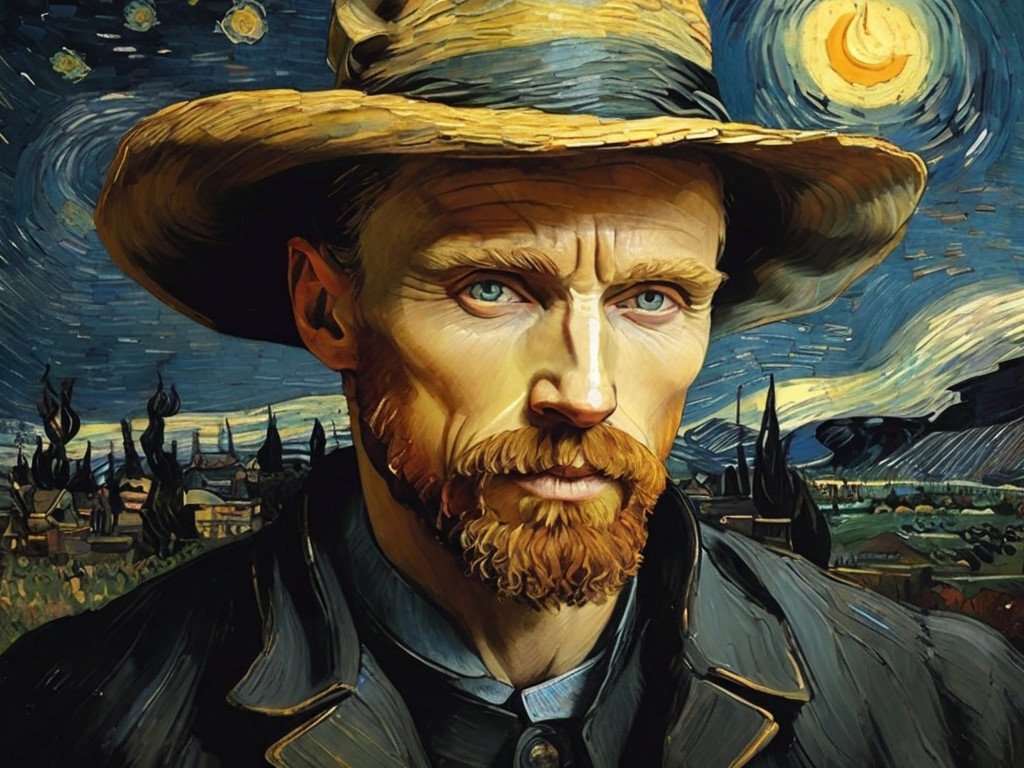
The image of the misunderstood artist is almost mythical: someone who works with passion and dedication their whole life, but is ignored or ridiculed by their contemporaries.
Many of them died poor, with no idea that their work would one day be worth millions and change the course of art history. These are ten artists and writers who received little recognition during their lifetime, but are now counted among the greats.
10. William Blake (1757-1827)
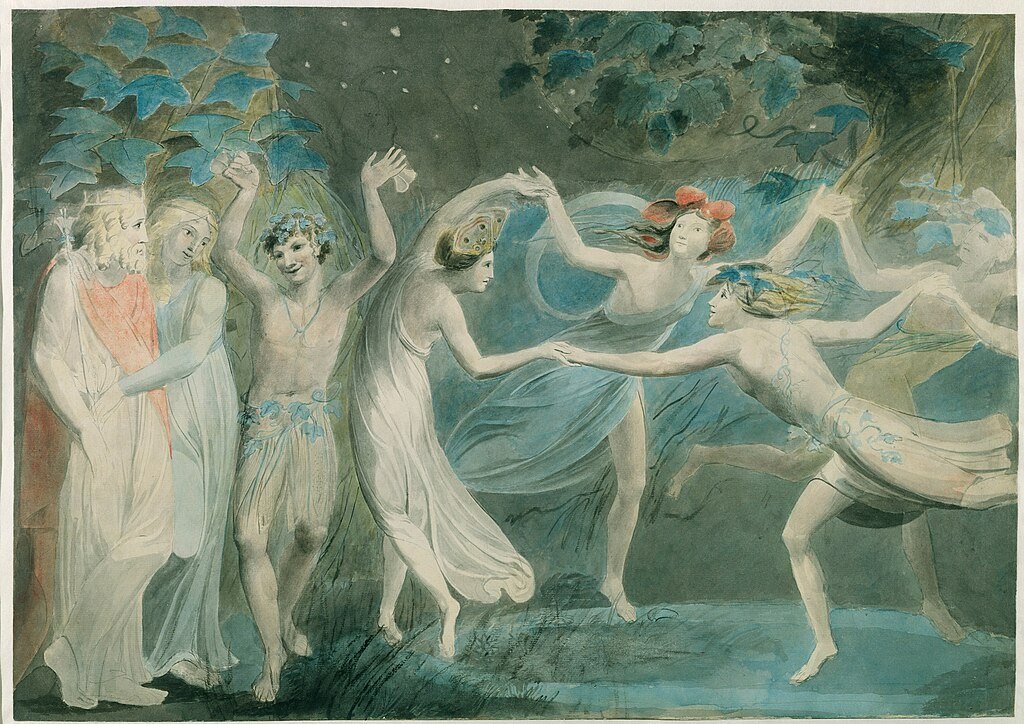
The English poet, engraver and visionary William Blake is now considered a genius, but in his own time, many saw him as an eccentric dreamer. His self-published books, which he etched and colored by hand, sold very few copies.
Critics found his mystical visions and religious imagery incomprehensible, or even mad. Blake lived in poverty and was largely ignored by the literary and artistic elite of London. It was only in the second half of the 19th century, helped by a biography and the admiration of the Pre-Raphaelites, that his work was rediscovered. Today, he is seen as one of the key figures of Romanticism, an artist who created his own mythology and visual universe.
9. Camille Claudel (1864-1943)
Camille Claudel was a brilliant sculptor, but in her own time, her name was mostly linked to that of Auguste Rodin.
Although she was his student, muse and lover, she had a style of her own, marked by emotional intensity and innovative forms. Yet she struggled to get commissions and recognition in the male-dominated art world. After the end of her relationship with Rodin and years of poverty and mental illness, her family had her committed to a psychiatric institution in 1913. She spent the last 30 years of her life there, almost forgotten by the outside world.
Only in the second half of the 20th century was her work rediscovered. Today she is seen as an icon of modern sculpture.
8. Amedeo Modigliani (1884-1920)
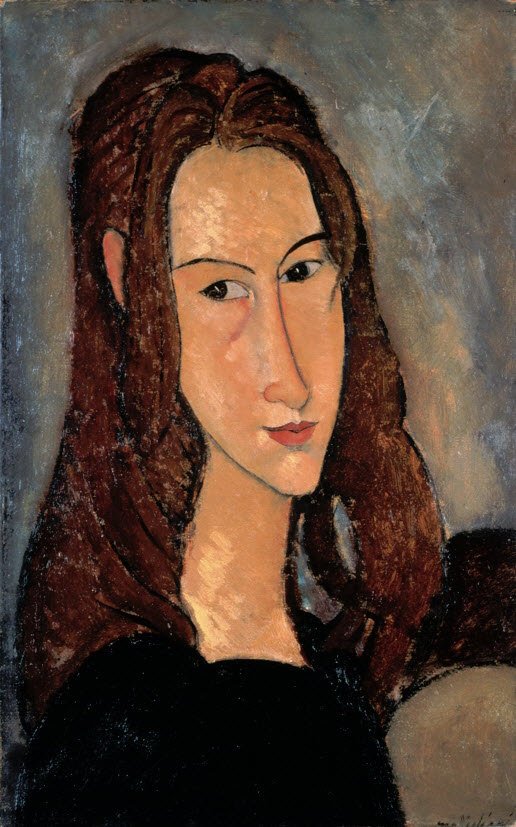
The Italian painter and sculptor Modigliani is famous for his elongated portraits and sensual nudes. During his lifetime, those nudes were too daring for the public: his only solo exhibition, in Paris in 1917, was shut down by the police on its opening day. Buyers were few, and he lived in constant poverty in Paris.
His poor health, worsened by alcohol and drugs, led to his death at the age of 35. Shortly afterwards, his reputation soared. Today, his paintings are among the most sought-after and expensive artworks in the world, a bitter contrast with the misery in which he died.
7. Henri Rousseau (1844-1910)
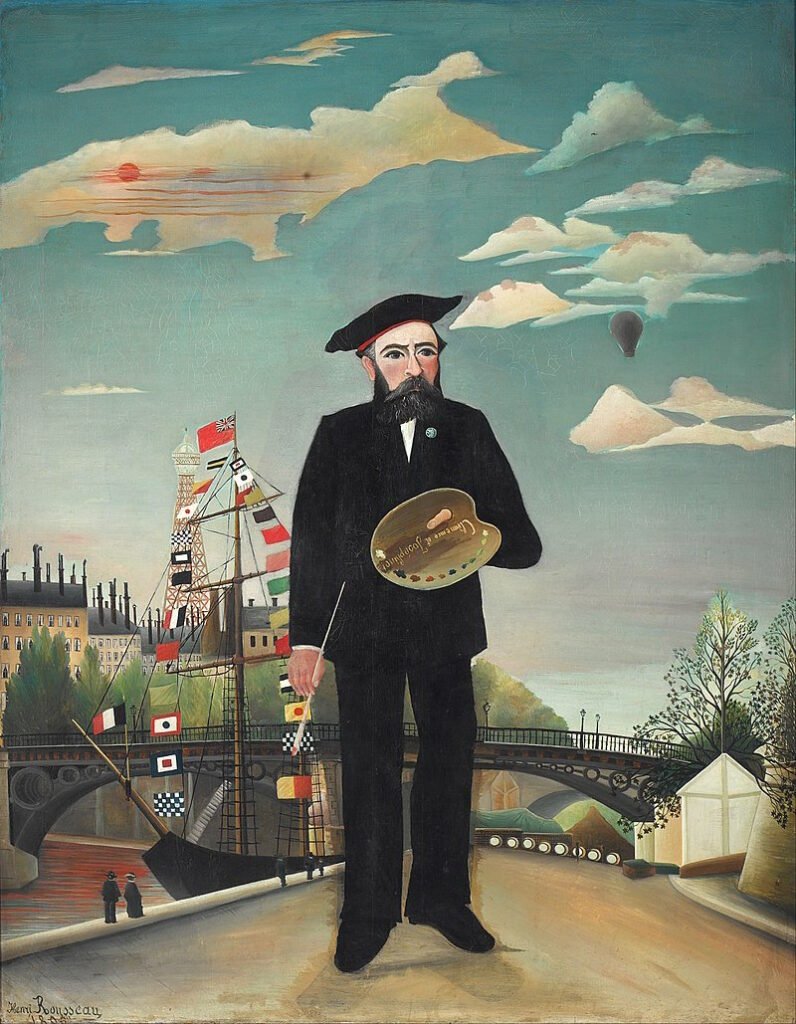
Henri Rousseau, nicknamed “le Douanier” (the customs officer) because he worked as a toll collector for the city of Paris, painted dreamlike jungle scenes and mysterious landscapes in his spare time. His naive style was mercilessly mocked by critics, who saw him as an amateur who did not understand perspective or anatomy.
Only a few avant-garde artists, such as Pablo Picasso and the poet Guillaume Apollinaire, recognized his unique imagination. Rousseau died poor, but he was later recognized as a pioneer who inspired the Surrealists. His works now hang in the greatest museums in the world.
6. Alfred Sisley (1839-1899)
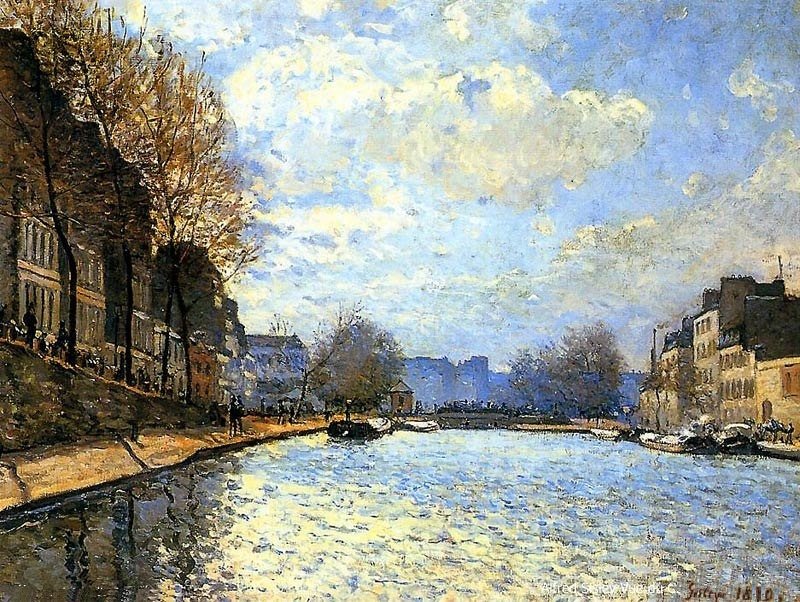
As one of the core members of the Impressionists, Sisley stood shoulder to shoulder with Monet, Renoir and Pissarro. Yet success never came. His delicate landscapes, often with subtle reflections of light on water, found few buyers. While Monet eventually became rich and famous, Sisley was left behind.
He lived in financial uncertainty all his life and died in poverty, almost forgotten. Shortly after his death, prices for his work began to rise. Today, he is considered a master of Impressionism, with a unique feeling for light and atmosphere.
5. Johannes Vermeer (1632-1675)
Vermeer painted only a small number of works: quiet interiors and refined studies of light. During his lifetime, he was respected in his hometown of Delft, but he was not widely famous. Financially, things went badly: when he died, he left his wife and many children with heavy debts. After his death, his work largely faded from view.
In the 19th century, he was rediscovered by the French art critic Théophile Thoré-Bürger. Since then, his reputation has grown enormously. Today, Girl with a Pearl Earring is one of the most famous paintings in the world, and only around 35 paintings are attributed to him.
4. Emily Dickinson (1830-1886)
The American poet Emily Dickinson wrote almost 1,800 poems, but fewer than a dozen were published during her lifetime, usually anonymously and often altered by editors to fit the conventions of the time. She lived a quiet, increasingly withdrawn life in her family home in Amherst, Massachusetts.
After her death, her sister found hundreds of poems in a locked chest, many of them sewn into small handmade booklets. The first collection was published in 1890 and was an immediate success. Today, Dickinson is regarded as one of the greatest poets in the English language.
3. El Greco (1541-1614)
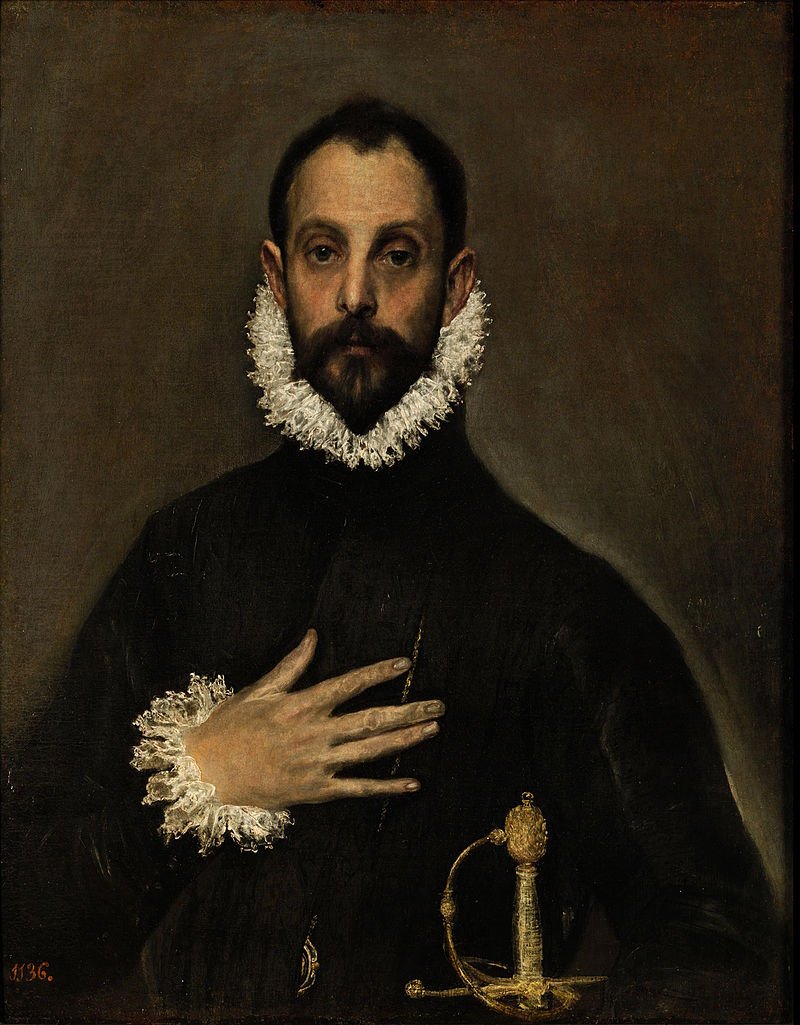
Doménikos Theotokópoulos, better known as El Greco (“the Greek”), spent most of his career in Toledo, Spain. His elongated figures, intense colors and dramatic compositions were very different from the classical standards of his time. He did get commissions, but many contemporaries found his style strange or even ugly, and he never won the favor of King Philip II.
After his death, he quickly fell into obscurity for almost three centuries. Only in the 19th century did the Romantics rediscover his genius, and later he was embraced by modern artists as a forerunner of Expressionism. Today, he is one of the great names of art history.
2. Franz Kafka (1883-1924)
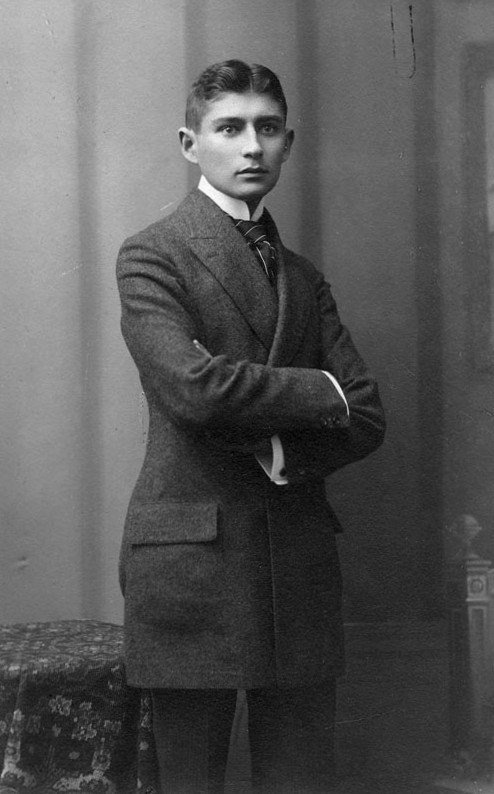
Kafka is considered one of the greatest writers of the modern era, but during his lifetime, his work was hardly read. He published a few stories, including The Metamorphosis, but remained largely unknown outside literary circles. He even asked his friend Max Brod to burn all his unpublished manuscripts after his death.
Brod refused and published them, including the novels The Trial and The Castle. That was the beginning of Kafka’s worldwide influence. His name has become a word: “Kafkaesque” describes an oppressive, absurd reality. Yet he died without the slightest idea of his future fame.
1. Vincent van Gogh (1853-1890)
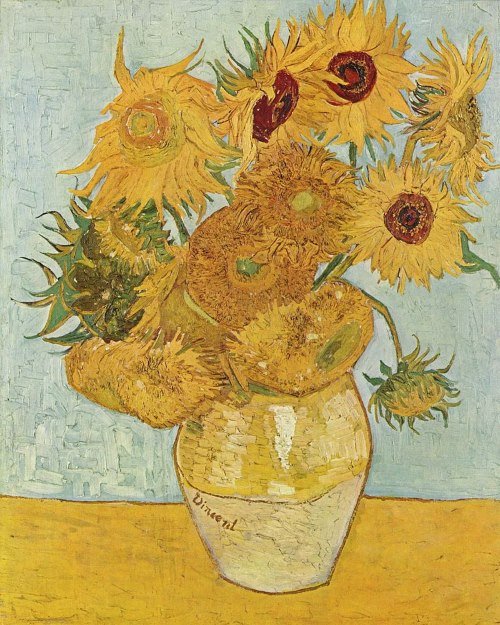
Vincent van Gogh is the best-known example of a misunderstood artist. He sold very few paintings during his lifetime, depended on the financial support of his brother Theo and was often seen as an oddball by those around him. His expressive brushstrokes and bright colors were too radical for most people at the time.
Van Gogh struggled with mental illness and spent time in a psychiatric hospital. He died at the age of 37 from a gunshot wound to the chest. Ironically, in the decades that followed, he grew into one of the most beloved and influential artists ever. Today, his works are among the most expensive and admired paintings in the world.