Snakes have captured the human imagination, and primal fear, since the dawn of civilization. Possessing legless, elongated bodies capable of swallowing prey many times wider than their own skulls, serpents represent one of the most successful, evolutionary versatile reptile lineages on Earth.
While the vast majority of the world’s 3,900 snake species are modest in size, a select group of apex constrictors and predatory colubrids push biological mass, girth, and length to prehistoric proportions.
10. Yellow Anaconda (Eunectes notaeus)
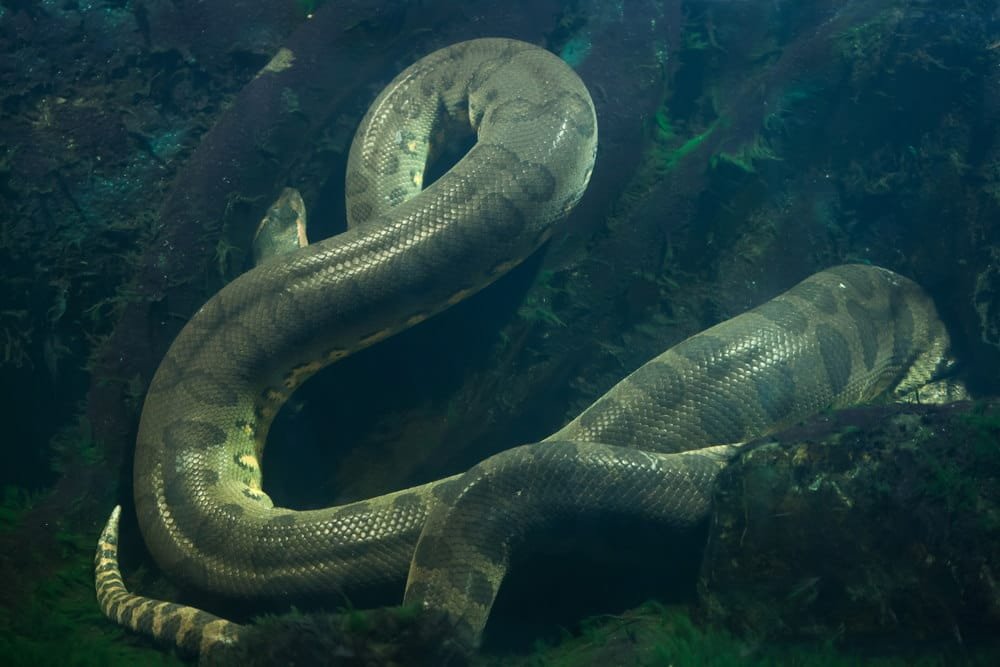 Inhabiting the river basins, marshes, and seasonally flooded savannas of the Pantanal in southern South America (spanning Paraguay, Bolivia, southwestern Brazil, and northeastern Argentina), the yellow anaconda (Eunectes notaeus) is the smaller, yet formidable cousin of the green anaconda.
While not reaching the colossal proportions of its green relative, mature females regularly attain lengths of 3.3 to 4.4 meters (10.8 to 14.4 feet) and weigh between 25 and 35 kilograms (55 to 77 pounds), with exceptional specimens exceeding 45 kilograms.
9. Boa Constrictor (Boa constrictor)
 Few snakes are more famous or widely recognized in popular culture than the boa constrictor (Boa constrictor).
Native to tropical Central and South America, stretching from northern Mexico through the Amazon Basin to Argentina, this iconic New World constrictor displays remarkable ecological versatility, thriving in pristine rainforests, dry tropical scrublands, and human agricultural fringes.
8. Papuan Python (Apodora papuana)
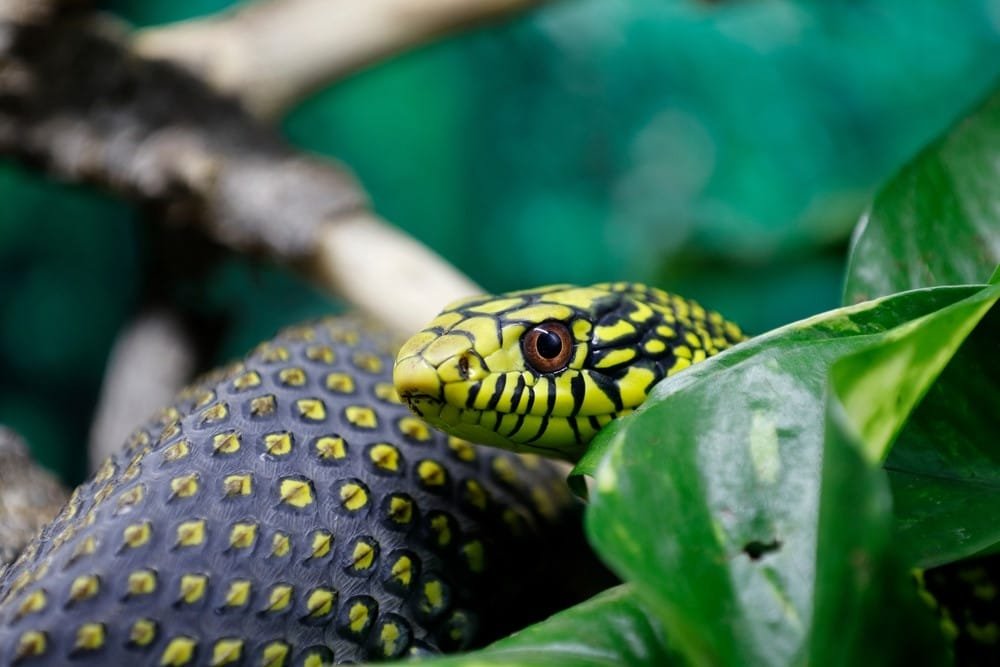 Native to the dense tropical rainforests, savannas, and swampy lowlands of the island of New Guinea (and nearby islands of Papua New Guinea and Indonesia), the Papuan python (Apodora papuana) is one of the most enigmatic and least studied giant snakes in the world.
As the sole representative of its genus, this massive, heavy-bodied python regularly reaches lengths of 3 to 4 meters (10 to 13 feet), with verified field specimens reaching up to 4.5 meters (14.8 feet) and weighing over 30 kilograms (66 pounds).
7. Indian Python (Python molurus)
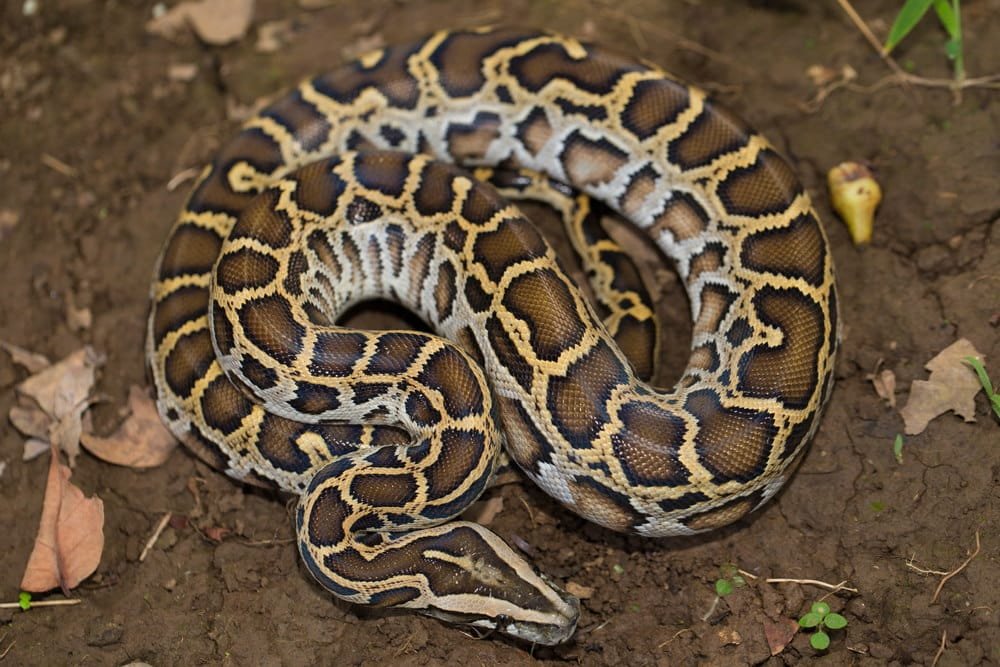 Revered in Indian folklore and biological history, the Indian python (Python molurus), often referred to as the black-tailed python, is distributed across the forests, scrublands, and river valleys of India, Pakistan, Nepal, and Sri Lanka.
While closely related to the Burmese python (which was historically classified as a subspecies before genetic analysis confirmed it as a distinct species), the Indian python is slightly lighter in coloration and typically smaller in overall mass.
6. Amethystine Python (Simalia amethistina)
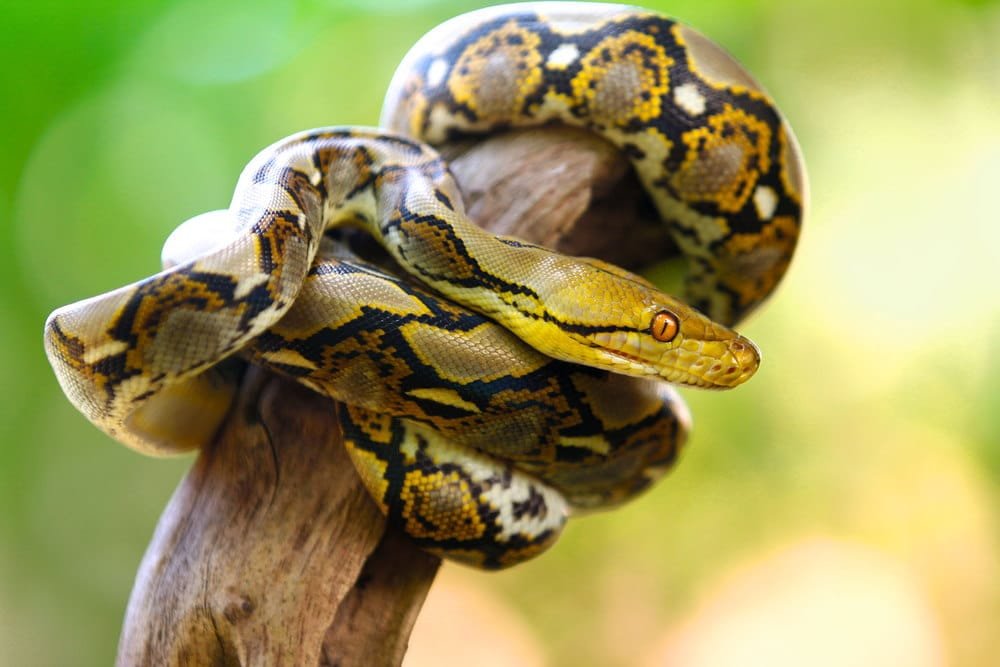 Distributed across the tropical rainforests and scrub woodlands of northern Australia, New Guinea, and eastern Indonesia, the amethystine python (Simalia amethistina), affectionately known in Australia as the “scrub python”, holds the undisputed title as the longest native snake in Australasia.
Renowned for the striking, rainbow-colored iridescent shimmer produced by its scales in direct sunlight, this arboreal giant is an agile, formidable hunter.
5. King Cobra (Ophiophagus hannah)
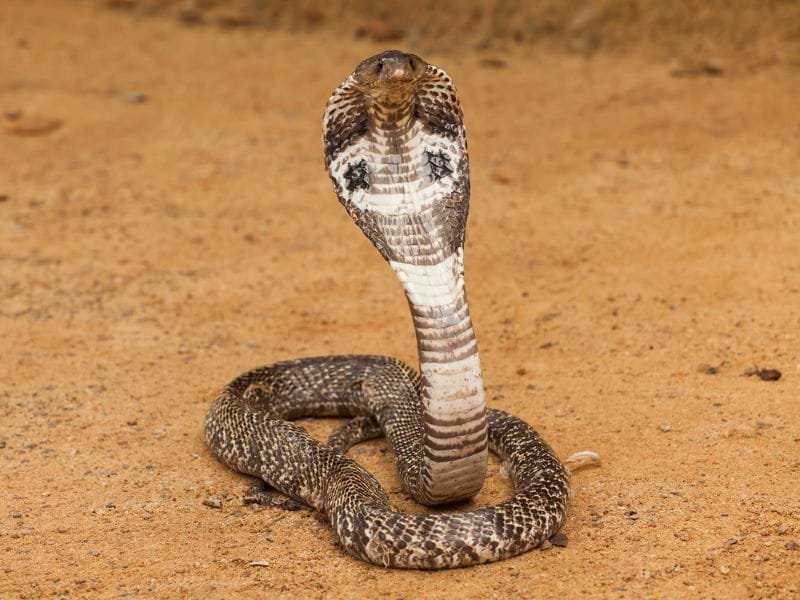 While all other species on this list are non-venomous constrictors that kill via crushing hydrostatic pressure, the king cobra (Ophiophagus hannah) earns its rightful place among the world’s giant snakes by holding the undisputed title as the longest venomous snake on planet Earth.
Distributed across the dense tropical rainforests, bamboo thickets, and agricultural plantations of South and Southeast Asia, the king cobra commands universal reverence.
4. African Rock Python (Python sebae)
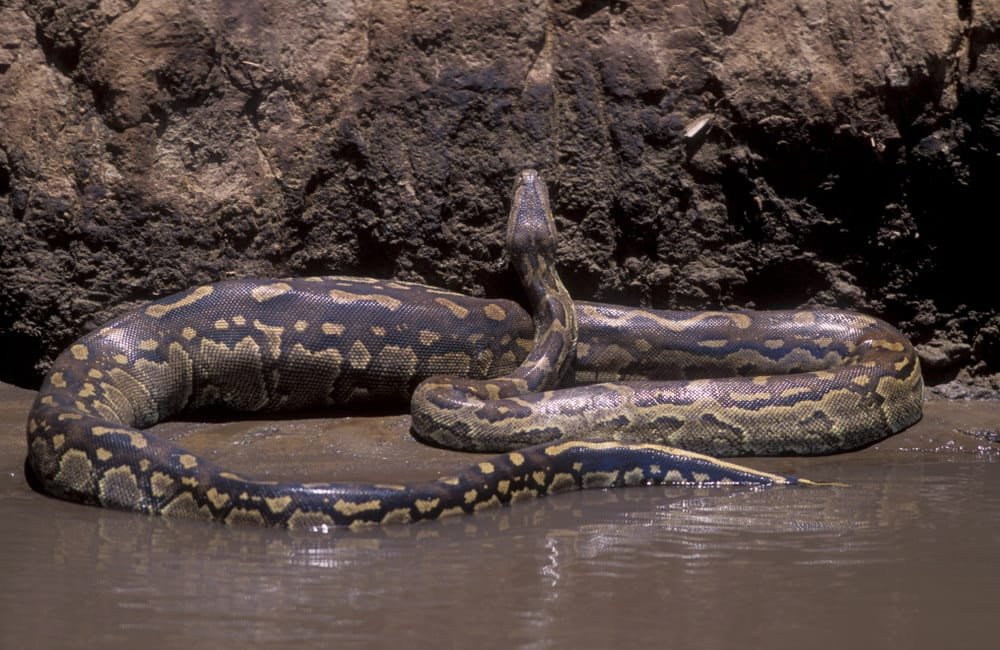 Prowling the savannas, grasslands, swamps, and rocky hillsides of sub-Saharan Africa, the African rock python (Python sebae) is the undisputed largest, heaviest snake on the African continent.
Known among herpetologists for its fierce disposition, muscular power, and lightning-fast defensive strikes, this massive constrictor commands immense respect throughout its range.
3. Burmese Python (Python bivittatus)
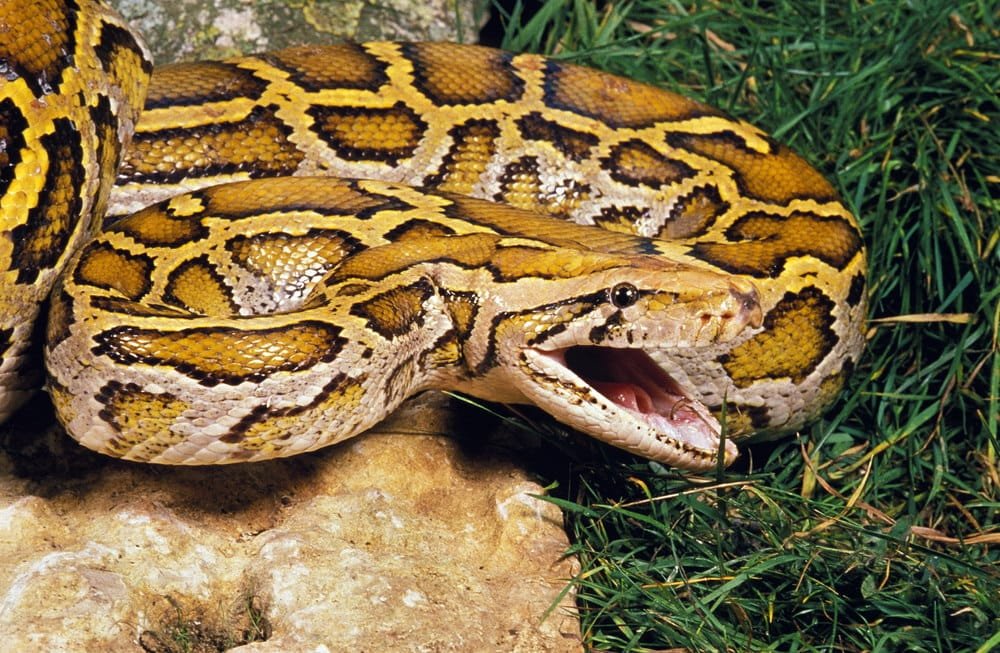 Native to the lush jungles, river valleys, and marshes of Southeast Asia, the Burmese python (Python bivittatus) is one of the six largest snake species in the world.
In recent decades, the species has achieved international ecological notoriety after captive pets escaped or were released into the Florida Everglades, where they established a thriving, apex invasive population that has dramatically impacted native mammal populations.
2. Reticulated Python (Malayopython reticulatus)
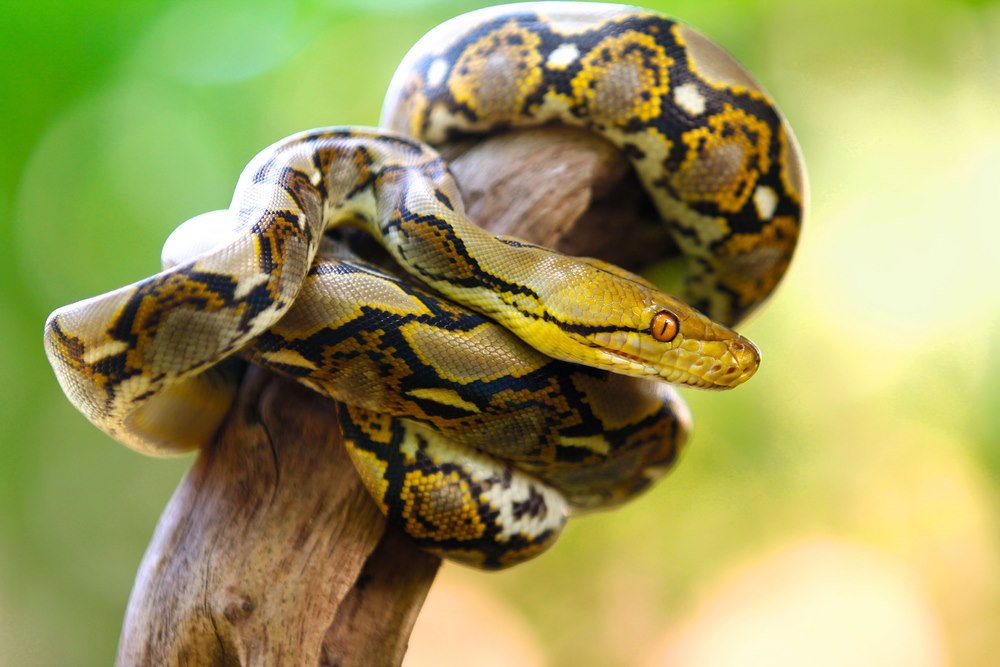 Reigning supreme in the Guinness World Records as the undisputed longest snake on planet Earth, the reticulated python (Malayopython reticulatus) is native to the tropical rainforests, woodlands, and urban canal networks of Southeast Asia, including Indonesia, the Philippines, Thailand, and Malaysia.
Named for the complex, geometric “reticulated” (net-like) pattern of yellow, brown, and black diamond scales adorning its glossy skin, this serpentine titan is an evolutionary masterpiece.
1. Green Anaconda (Eunectes murinus)
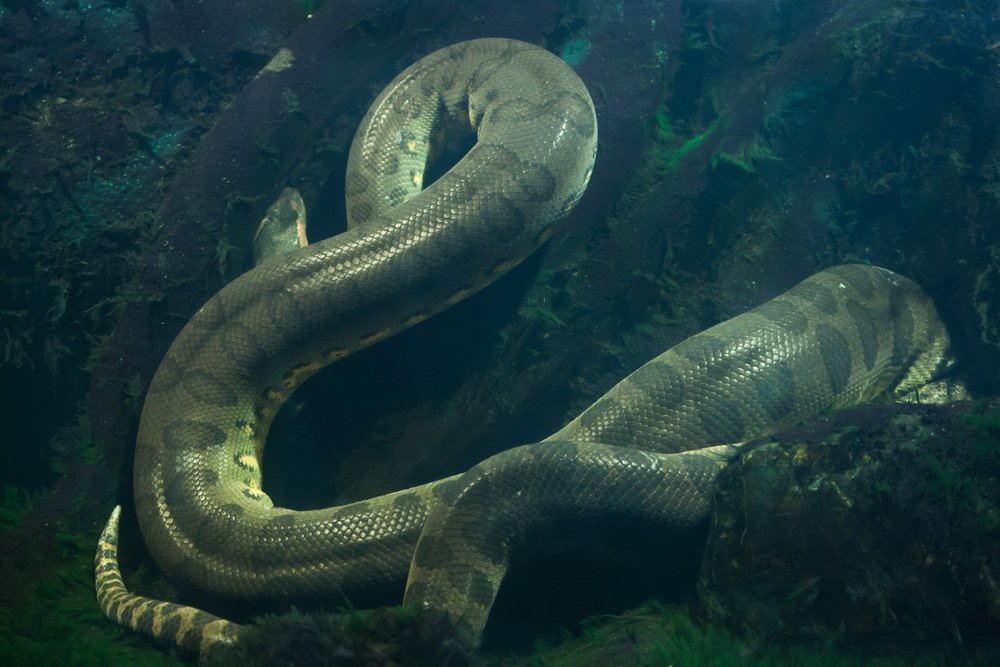 Standing completely unchallenged as the heaviest, thickest, and most massive snake on planet Earth, the green anaconda (Eunectes murinus), also known as the giant anaconda or water boa, rules the murky, slow-moving river networks of the Amazon and Orinoco basins across northern and central South America.
While the reticulated python may edge it out in pure overall tip-to-tail length, the green anaconda is far heavier, possessing a muscular girth that can measure more than 30 centimeters (12 inches) in diameter.
Which choice on this list is your personal favorite? Share your thoughts and rankings in the comments below.