


Felines range from agile climbers to powerful predators that sit at the top of the food chain. This ranking lists the largest wild species on Earth, ordered by their maximum reliably documented weight in the wild.
10. Clouded Leopard (Neofelis nebulosa) — up to 23 kg
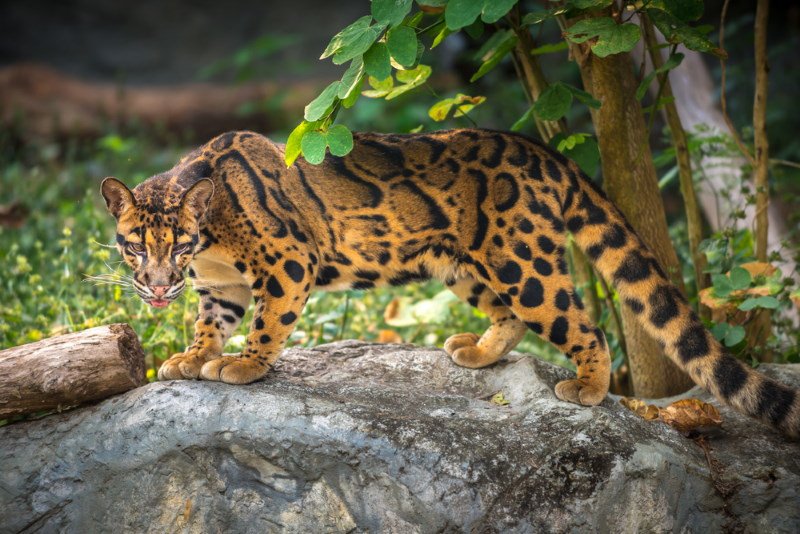
The clouded leopard lives in the dense forests of Southeast Asia. They are medium-sized but exceptionally muscular. Notable are its extremely long canine teeth, which are even larger in proportion than those of much bigger felines. These make the leopard an efficient predator in the trees.
Weighing up to 23 kilos, the clouded leopard hunts monkeys, birds, and small ungulates. Its coat with cloud-like spots provides perfect camouflage within the canopy.
9. Sunda Clouded Leopard (Neofelis diardi) — up to 26 kg
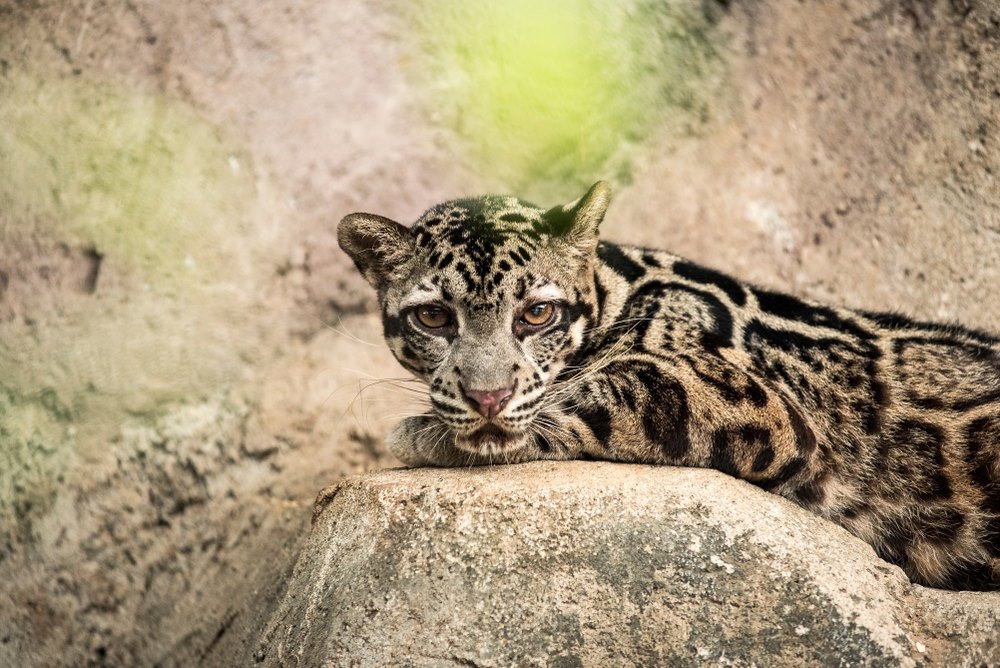
This close relative of the clouded leopard lives only on Borneo and Sumatra. It is slightly more heavily built and has a stronger stature. The species was only officially distinguished from its mainland relative in 2006.
Its limited distribution makes it vulnerable, yet genetically and morphologically unique. With its strength and build, it is the top predator of the island forests.
8. Eurasian Lynx (Lynx lynx) — up to 38 kg
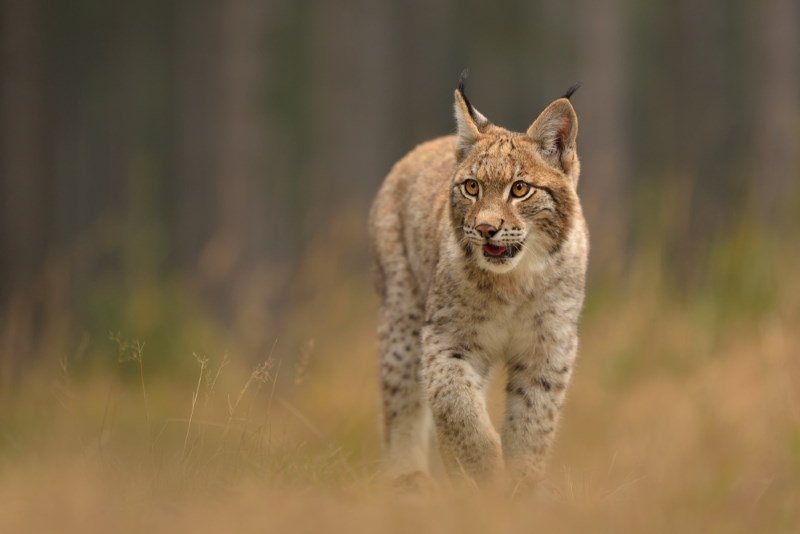
The Eurasian lynx is the largest of all lynxes. It lives in vast forests from Europe to Central Asia. The heaviest specimens, weighing up to 38 kilos, are found in the Carpathians and the Altai mountains.
Its tufted ears and short tail are characteristic, as is its ability to kill large prey such as roe deer. Despite its size, it moves silently through snowy terrain.
7. Snow Leopard (Panthera uncia) — up to 55 kg
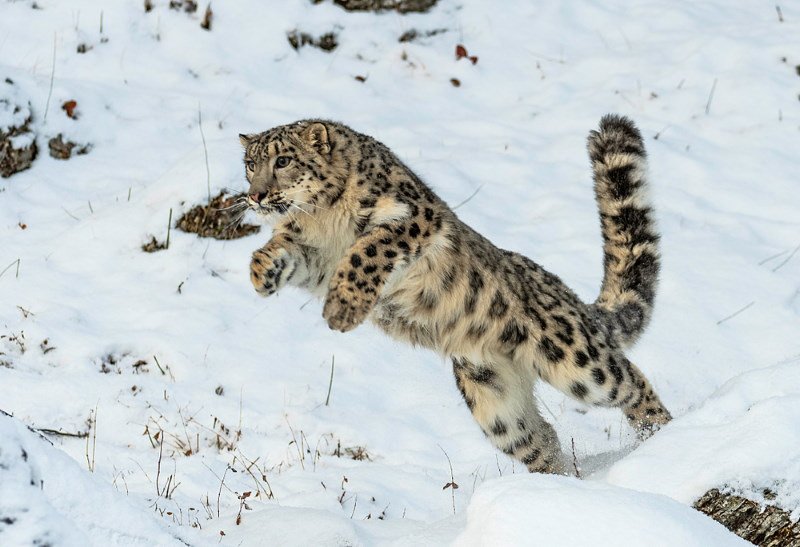
The snow leopard inhabits the rugged heights of Central Asia, reaching up to 5,500 meters above sea level. Adult males weigh an average of 45–50 kilos, with exceptions reaching up to 55 kilos.
Its thick fur, long tail, and short legs make it ideal for the cold mountain climate. The combination of agility and camouflage makes it an invisible hunter of the Himalayas.
6. Cheetah (Acinonyx jubatus) — up to 65 kg
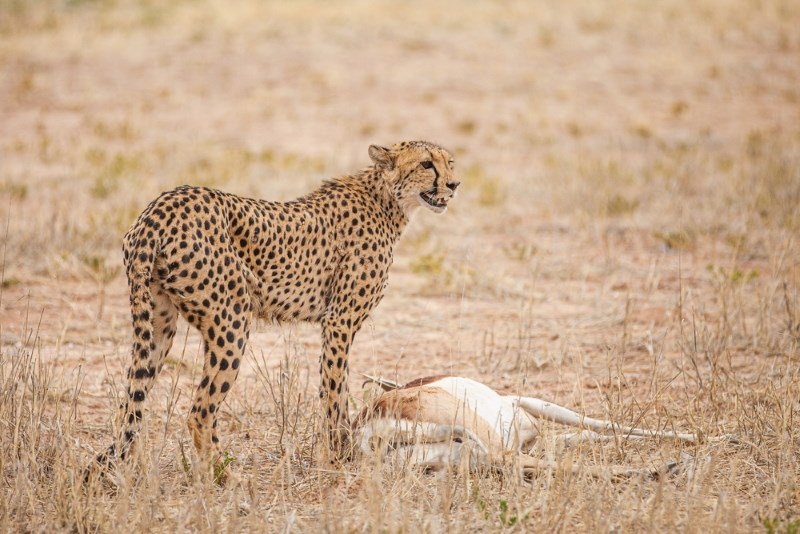
The cheetah is the fastest land predator in the world. Adult males weigh up to 65 kilos and are built for speed, not power. Their streamlined bodies and flexible spines make sprinting up to 100 km/h possible.
They hunt during the day for antelopes and gazelles, where their slender build and sharp eyesight are the keys to success. A pure athlete of the savannah.
5. Leopard (Panthera pardus) — up to 96 kg
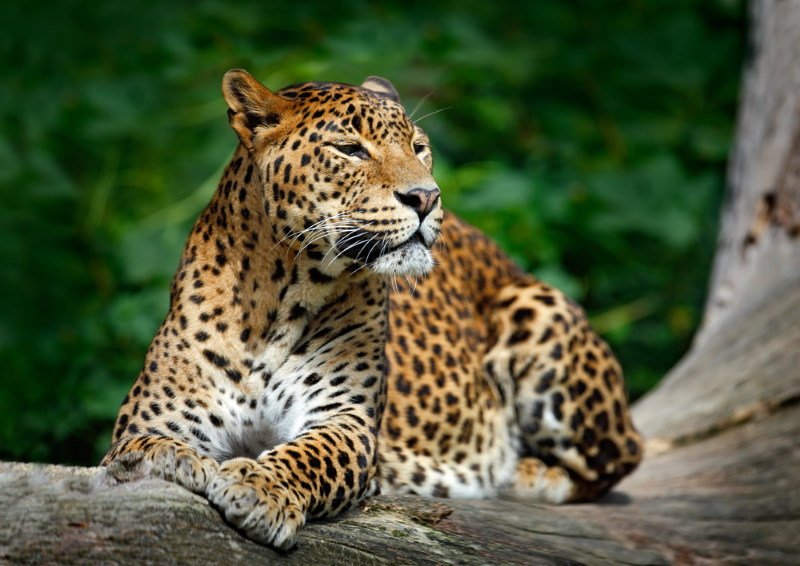
The leopard is one of the most widely distributed large felines. The heaviest males, particularly in Southern Africa, reach 90 to 96 kilos. Its strength lies in versatility: it hunts, climbs, and swims equally well.
A leopard can drag prey of its own weight up a tree. Its adaptability makes it one of the most successful hunters in the world.
4. Cougar (Puma concolor) — up to 105 kg
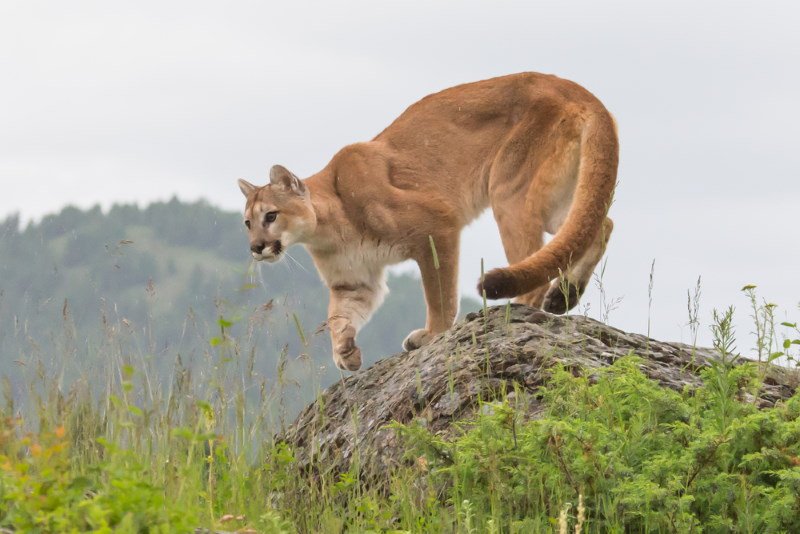
The cougar is the largest cat outside the genus Panthera. The heaviest wild males, especially in southern Chile and western Canada, weigh up to 105 kilos.
It occurs from Canada to Patagonia and is a prime example of adaptability. Its silent, leaping attack makes it deadly efficient in diverse landscapes.
3. Jaguar (Panthera onca) — up to 158 kg
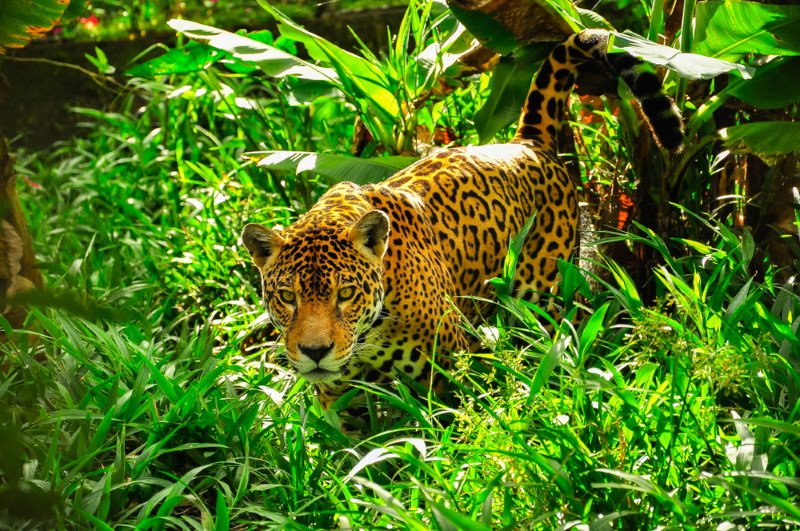
The jaguar is the largest cat on the American continent. Males from the Brazilian Pantanal are the heaviest, with records up to 158 kilos. Their powerful jaws can even crush the skull of a caiman.
With its muscular build and unique bite pattern, the jaguar is among the physically strongest cats in the world, despite its more compact size compared to lions and tigers.
2. Lion (Panthera leo) — up to 250 kg
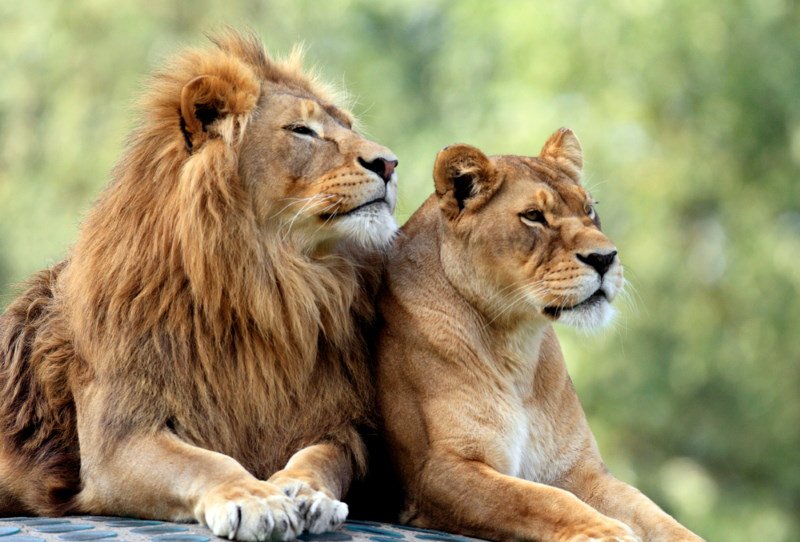
Large male lions in southern Africa reach weights of 225 to 250 kilos. The Asiatic lion is smaller but genetically closely related.
Lions live in groups, which is rare among felines. Their social hunting techniques and physical power make them the rulers of the savannah.
1. Tiger (Panthera tigris) — up to 300+ kg
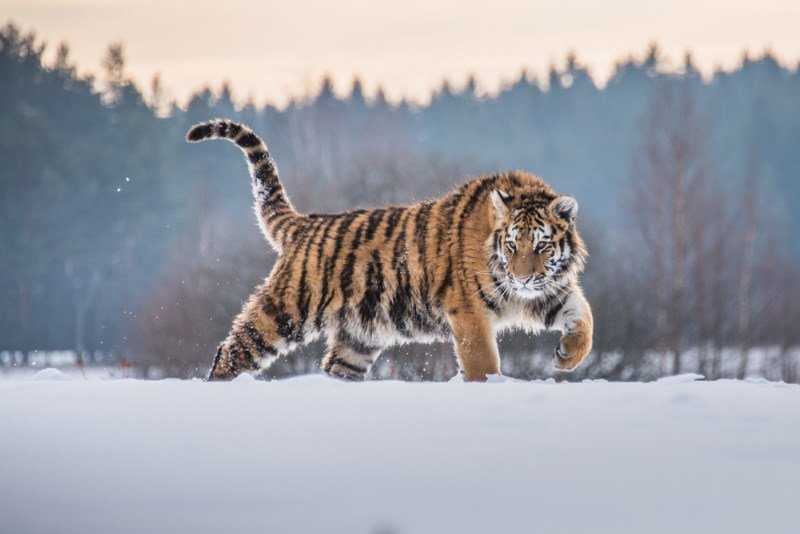
The tiger is the heaviest feline on Earth. The largest males, especially from the Siberian and Bengal subspecies, weigh more than 300 kilos. Length from head to tail can exceed 3 meters.
The tiger is a solitary predator, yet at the same time a symbol of strength and majesty. Its chances of survival nowadays depend heavily on protection against poaching and habitat loss.
