
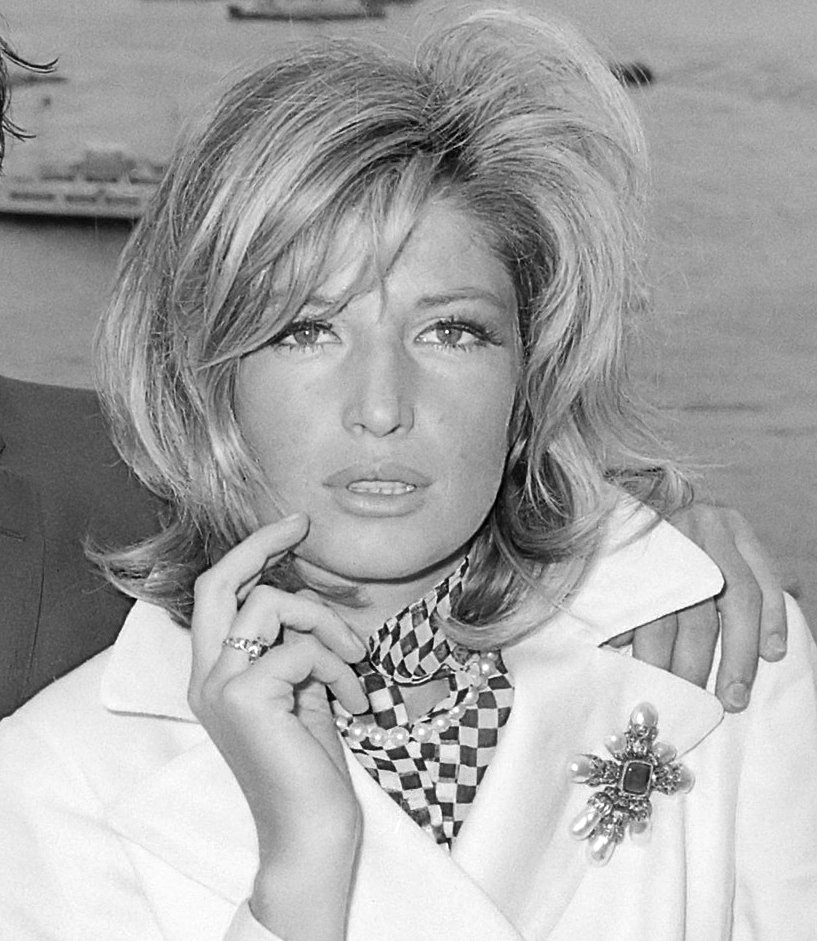
Italian cinema has always treated its actresses as more than pretty faces. From the raw neorealist films of the 1940s to the glamorous international productions of the '60s and '70s, Italian women were shaped by an industry that demanded authenticity, even when that authenticity hurt. That produced generations of actresses who belong among the very best in the world. Here are the 10 greatest Italian actresses of all time.
Cast your vote - the ranking shifts live based on the votes.
Sophia Loren: The Undisputed Queen
Sophia Loren grew up in bitter poverty on the outskirts of Naples, and anyone who knows her films understands that this background shaped her as an actress. In Two Women (La Ciociara, 1960) she played a mother who loses everything in the war yet remains standing. It won her the Oscar for Best Actress, the first ever for a non-English-language performance. Hollywood quickly discovered her, but Loren always returned to her roots and to director Vittorio De Sica, who understood her like no one else. Even in her eighties she proved her class in the Netflix hit The Life Ahead (2020). Now in her nineties, she remains an icon of Italian culture.
Anna Magnani: The Soul of Neorealism
Anna Magnani was beautiful in an unconventional way. Her face was large, extremely expressive and demanded attention immediately. Roberto Rossellini understood that was exactly what he needed for Rome, Open City (1945). The scene in which she runs after a truck and is shot is one of the most heartbreaking moments in film history. Ten years later she won an Oscar for The Rose Tattoo (1955), written by Tennessee Williams with her in mind. Magnani didn't act; she lived her roles with an intensity that left no one unmoved.
Easily top 3. (6)
Monica Vitti: The Muse of Arthouse Cinema
Michelangelo Antonioni made his four key films of the early '60s with Monica Vitti. He was obsessed with human alienation, and Vitti had a gaze that embodied that theme perfectly without a word. In L'Avventura (1960) she gave a performance that shook up international cinema. What many forget is that she was also a brilliant comic actress; she once said comedy was her passion but drama made her famous. When she died in 2022 at 90, all of Italy mourned its most intellectual film star.
Michelangelo Antonioni made his four key films of the early '60s with Monica Vitti.
Claudia Cardinale: Elegance and Strength
1963 was Claudia Cardinale's year. She starred in both Visconti's The Leopard and Fellini's 8½, two completely different roles in two of the best films ever made, proving she could switch effortlessly between seductive aristocrat and a director's dream woman. In the legendary western Once Upon a Time in the West (1968), she held her own as the only woman among heavyweights like Charles Bronson and Henry Fonda.
Deserved #1 spot. (5)
Gina Lollobrigida: The First World Star
Before Sophia Loren broke through, there was Gina Lollobrigida. In the 1950s she was the face of Italian film for the rest of the world: spectacularly beautiful, but also with a directness the camera couldn't let go of. Her role in the comedy Bread, Love and Dreams (1953) made her a star overnight, and in Hollywood she shone alongside greats like Burt Lancaster. Later she turned her back on film and became a successful professional photographer.
Log in to post a comment.
Alida Valli: The Quiet Strength
Alida Valli is sometimes overlooked, but anyone who has seen her in The Third Man (1949) never forgets her. The film ends with a legendary shot in which she walks straight toward the camera and simply passes by without looking up: pure acting in its most minimalist form. In Visconti's Senso (1954) she played a Venetian countess destroyed by an impossible love. Her range was enormous; decades later she even appeared in Dario Argento's horror classic Suspiria.
Log in to post a comment.
Virna Lisi: More Than a Sex Symbol
Virna Lisi had the looks of a classic blonde sex symbol, and Hollywood was eager to put her in that box. But Lisi refused, turning down big American studio offers because she wanted roles with substance. She was proven right later in her career: in La Reine Margot (1994) she played a cold, dangerous Catherine de' Medici, winning the Best Actress award at Cannes and a César, and proving she was far bigger than the roles others had in mind for her.
Log in to post a comment.
Stefania Sandrelli: The Constant Factor
Stefania Sandrelli started her career at fifteen and hasn't stopped working since. She worked with almost all the great Italian directors, from Bertolucci to Germi. In The Conformist (1970) she gave one of her most layered performances as the wife of a fascist. Her career runs like a thread through the whole of modern Italian film history; she literally grew up in front of the camera and stayed relevant in every decade that followed.
Log in to post a comment.
Asia Argento: The Rebel
As the daughter of horror giant Dario Argento, Asia grew up on film sets, giving her a rawness and sense of freedom that's rare. She debuted in her father's films but quickly became a headstrong force in international cinema. She never shies away from controversy and always chooses the unsafe path.
Log in to post a comment.
Valeria Golino: The International Chameleon
Valeria Golino has a unique presence, partly thanks to her Greek-Italian background. In Hollywood she made an impression alongside Tom Cruise in Rain Man (1988), but her heart lies with Italian cinema. In films like Respiro (2002) she shows the emotional depth she's capable of. Today she's also a celebrated director, and her outsider perspective makes both her roles and her own films more interesting than standard productions.
Log in to post a comment.
Missing an item in this list?
Log in or create a free account to add an item yourself.
Log in / create account
In Two Women (La Ciociara, 1960) she played a mother who loses everything in the war yet remains standing.
Log in to post a comment.