


Some canyons have such extreme elevation differences that entire mountain massifs could fit inside them. These chasms are scattered across the globe and give many visitors shaky knees.
What is the difference between a ravine and a canyon? The terms are often used interchangeably, but generally, a ravine is wider while a canyon is narrower and steeper. In this overview, we look at the vertical elevation difference. The measurement method can vary per location: sometimes it is measured from the river to the rim, in other cases from the river to the highest adjacent mountain peak.
10. Fish River Canyon (Namibia)

The Fish River Canyon in Namibia is the largest canyon in Africa. With a depth of up to about 550 meters, it is not the deepest on Earth, but its overwhelming vastness more than makes up for that. The canyon is approximately 160 kilometers long and up to 27 kilometers wide at some points. The well-known multi-day hike is only accessible during the cooler months. During the hot period, the area remains closed due to extreme temperatures and the danger of flash floods.
9. Tara River Canyon (Montenegro)
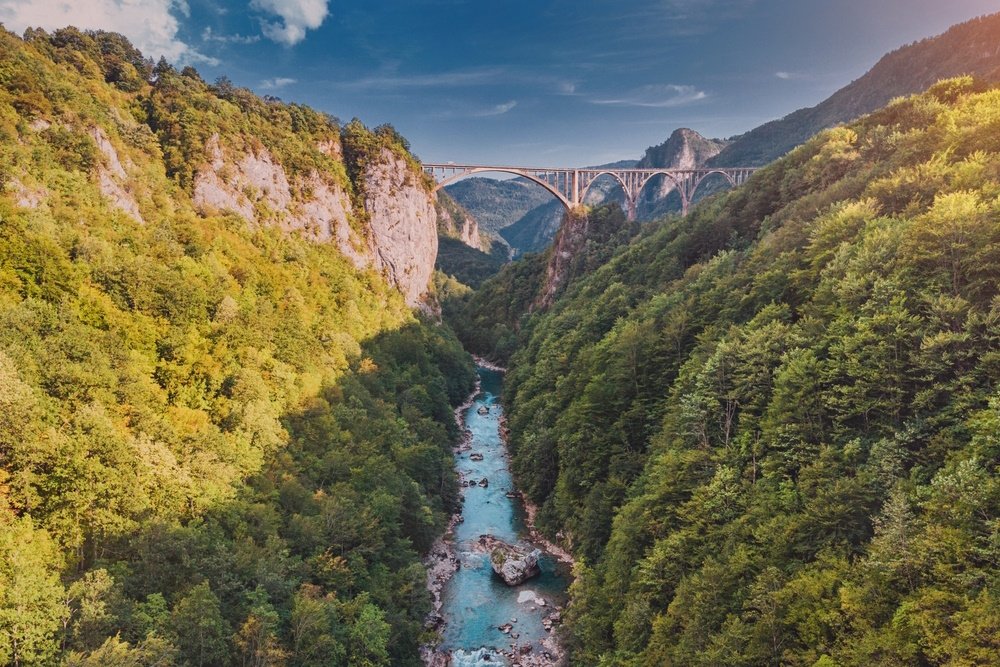
The Tara River Canyon in the Balkans is the deepest in continental Europe, with maximum depths between 1,300 and 1,333 meters. The water of the Tara River is exceptionally clear and clean. This area is a paradise for rafters, who shoot through the rapids between steep, forested walls.
8. Grand Canyon (United States)
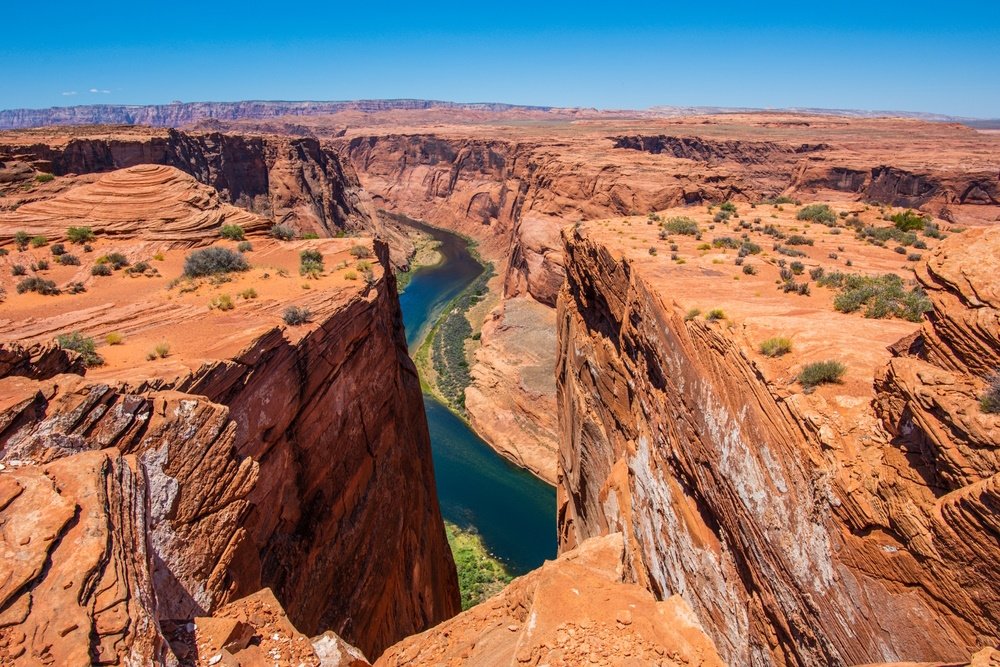
The Grand Canyon is the most famous of them all, but not the deepest. With a maximum depth of approximately 1,857 meters, it is impressive, but its true value lies in the visible layers of Earth’s history. The walls form an open book in which you can look back millions of years in time. The canyon was formed by the persistent erosion of the Colorado River, which carved its way through the rock over millions of years. Thanks to the dry climate and the enormous scale, the various colors and structures of the rocks are beautifully preserved, making it one of the most important geological sites in the world.
7. Copper Canyon (Mexico)

In northern Mexico lies the Barranca del Cobre, an impressive complex of several massive ravines. For parts of this system, depths of up to approximately 1,879 meters are cited. The area is so vast and rugged that in many places it feels even larger than the Grand Canyon. A classic way to experience this landscape is with the famous El Chepe train. The route takes you past spectacular bridges and deep valleys, providing a beautiful overview of this expansive natural wonder.
6. Hell’s Canyon (United States)
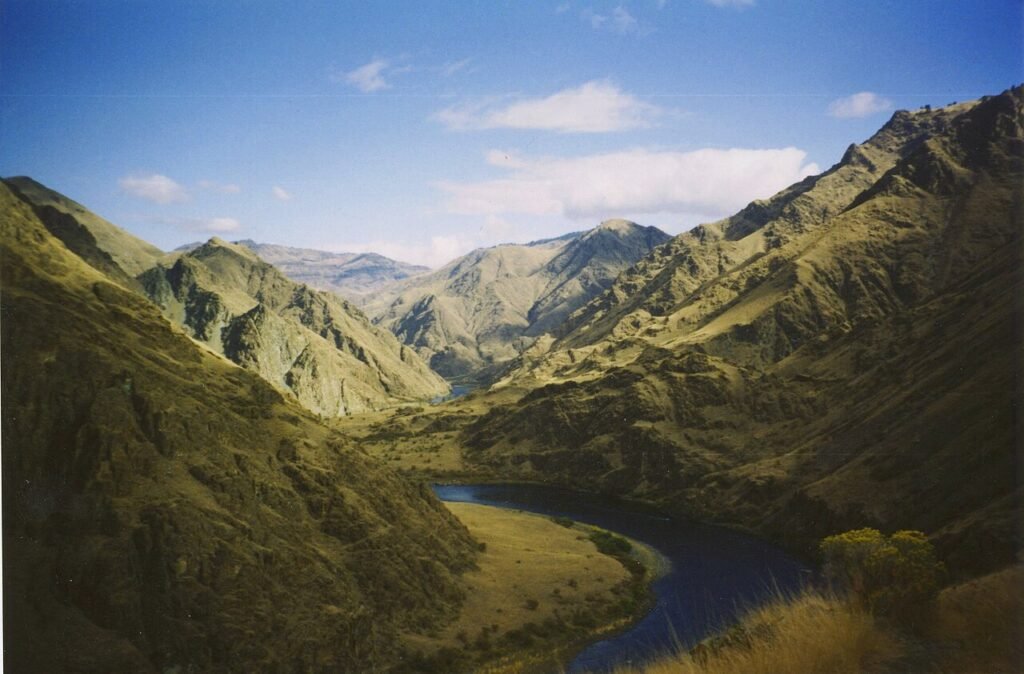
While many people think the Grand Canyon is the deepest in North America, that honor goes to Hell’s Canyon. With a maximum depth of approximately 2,436 meters, this is the deepest river canyon on the continent. There is no through road through the canyon, which keeps the nature pristine. You can reach the river at a few points, but the real experience is found by boat or on foot in the immense emptiness of this area.
5. Colca Canyon (Peru)

In the Peruvian Andes, you will find the Colca Canyon, which is often cited with a maximum depth of 3,270 meters.
The ravine is famous for the Andean Condor, which soars here on the thermals along the steep walls. At the base of the canyon lie valleys and terraces where local communities have practiced agriculture for centuries, providing a striking contrast to the rugged depths above.
4. Cotahuasi Canyon (Peru)
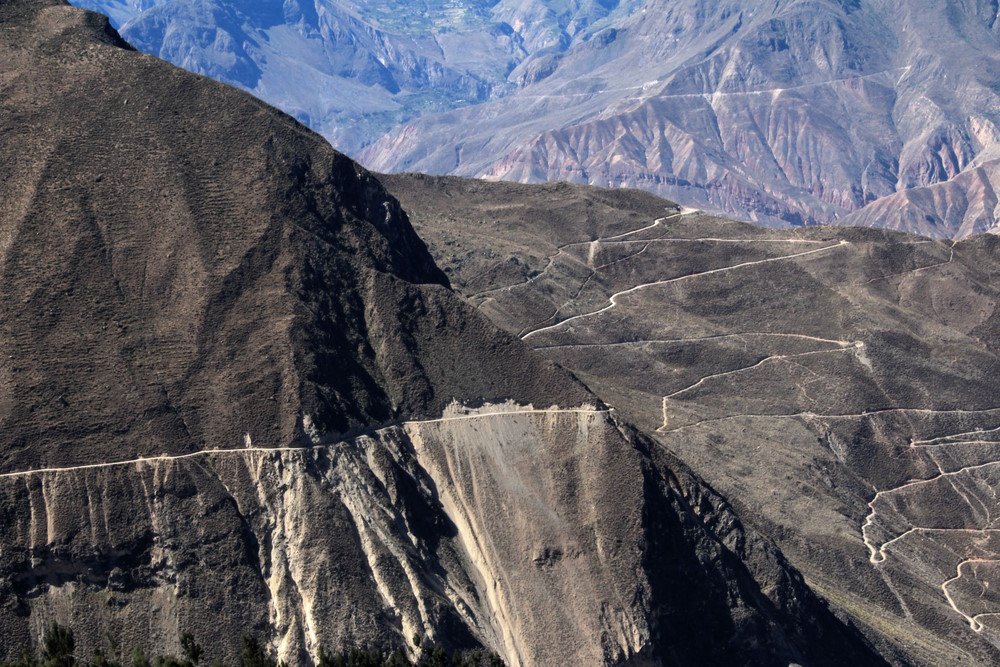
Close to the Colca Canyon lies Cotahuasi, with a depth of approximately 3,354 meters. This figure is based on the elevation difference between the river and the highest surrounding mountain peaks. Because the area is so remote, it remains significantly quieter than the better-known tourist hotspots. In this rugged landscape, you will find authentic villages, crashing waterfalls, and relaxing hot springs.
3. Tiger Leaping Gorge (China)
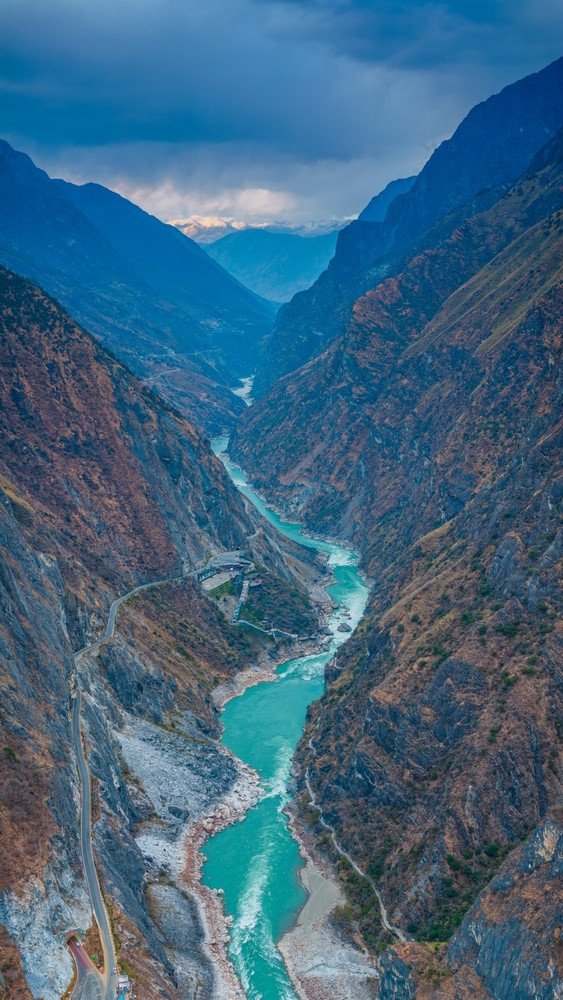
The Tiger Leaping Gorge in Yunnan is one of the deepest river canyons in the world, with a maximum elevation difference of around 3,790 meters between the river and the surrounding mountain peaks. According to legend, the gorge owes its name to a tiger that jumped across the churning river to escape a hunter. The walls are so steep and narrow that in some places you literally see the light fall between the rock and the water.
2. Kali Gandaki Gorge (Nepal)
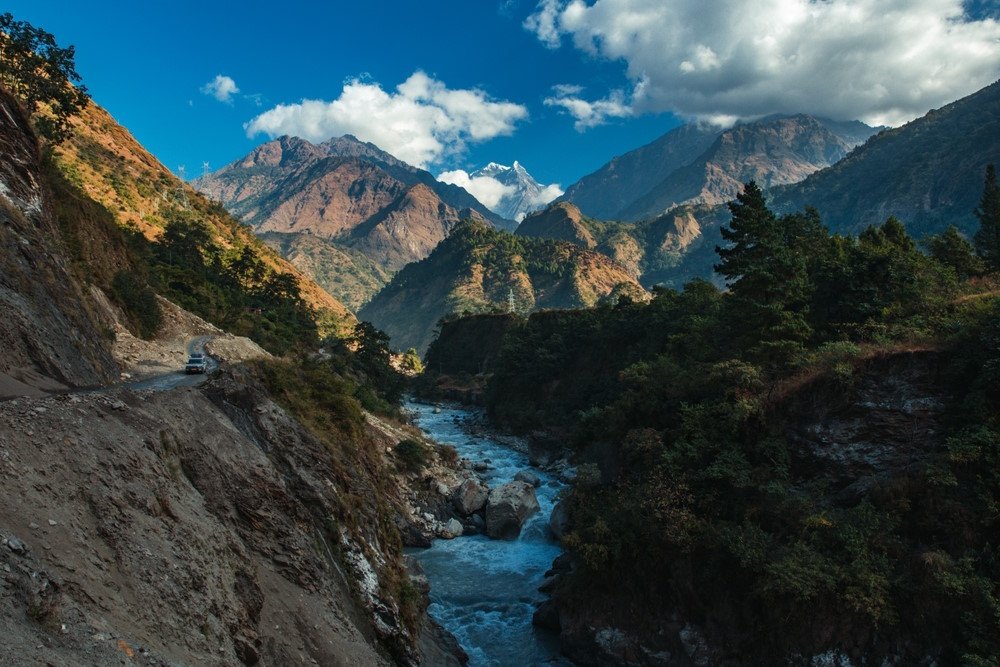
The Kali Gandaki Gorge cuts straight through the Himalayas, positioned exactly between the giants Dhaulagiri and Annapurna. The depth of this canyon is spectacular: depending on the measurement point, an elevation difference of 5.5 to more than 6 kilometers is calculated between the river and the adjacent mountain peaks. For centuries, this impressive depth has served as a crucial trade route between southern regions and the Tibetan Plateau.
1. Yarlung Tsangpo Grand Canyon (Tibet)
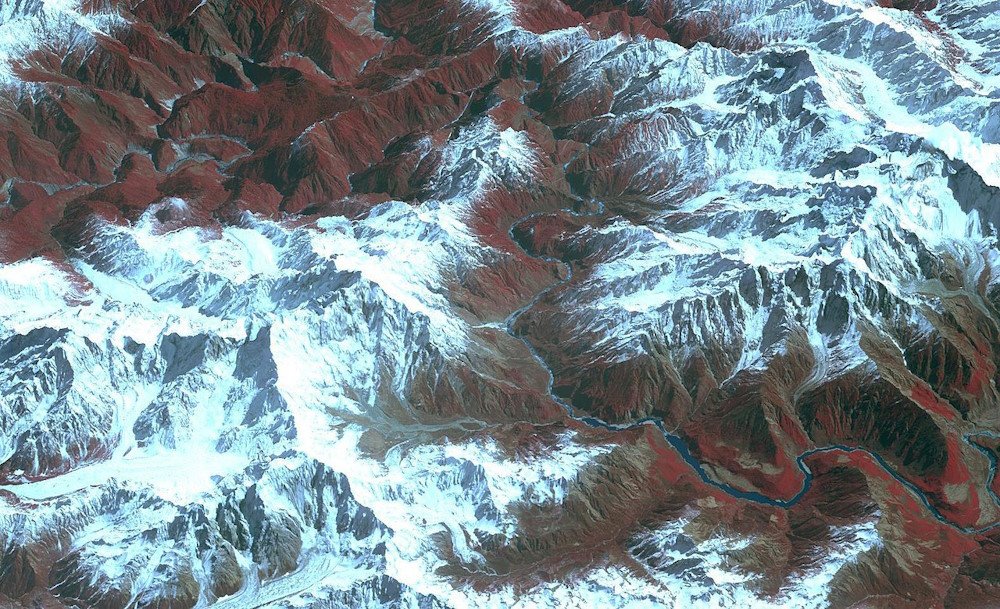
The Yarlung Tsangpo Canyon is the most extreme chasm on land. This canyon is slightly longer than the Grand Canyon and reaches a maximum depth of no less than 6,009 meters. The canyon bends around the Namcha Barwa mountain and cuts through nearly inaccessible terrain. Large parts of the area were long unreachable; even in recent times, expeditions have been carried out to better map the less-visited sections.
