
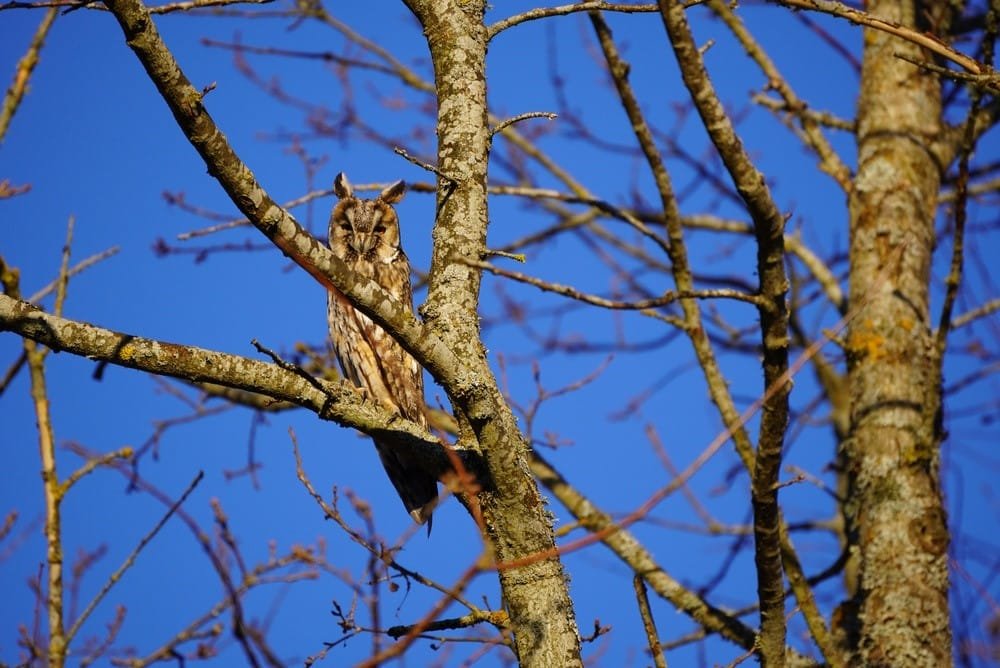
In the wild, standing out is often a death sentence. Over millions of years of evolution, some species have developed camouflage so bizarrely precise that you can look right at them without seeing anything. Who deserves the title of 'master of the disappearing act'? Choose your favorite!
Cast your vote - the ranking shifts live based on the votes.
Mimic Octopus
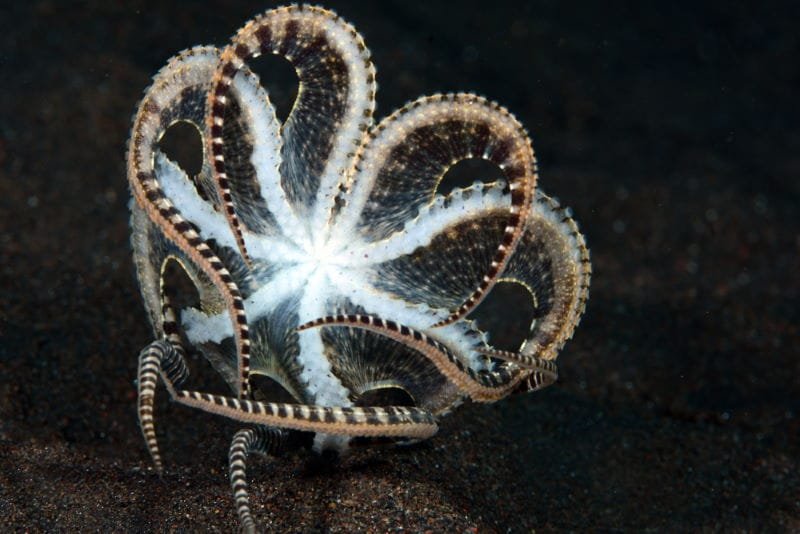
Not only can it change color and skin texture within a second, it also actively imitates the behavior and shape of venomous lionfish, sea snakes and flatfish.
Chameleon
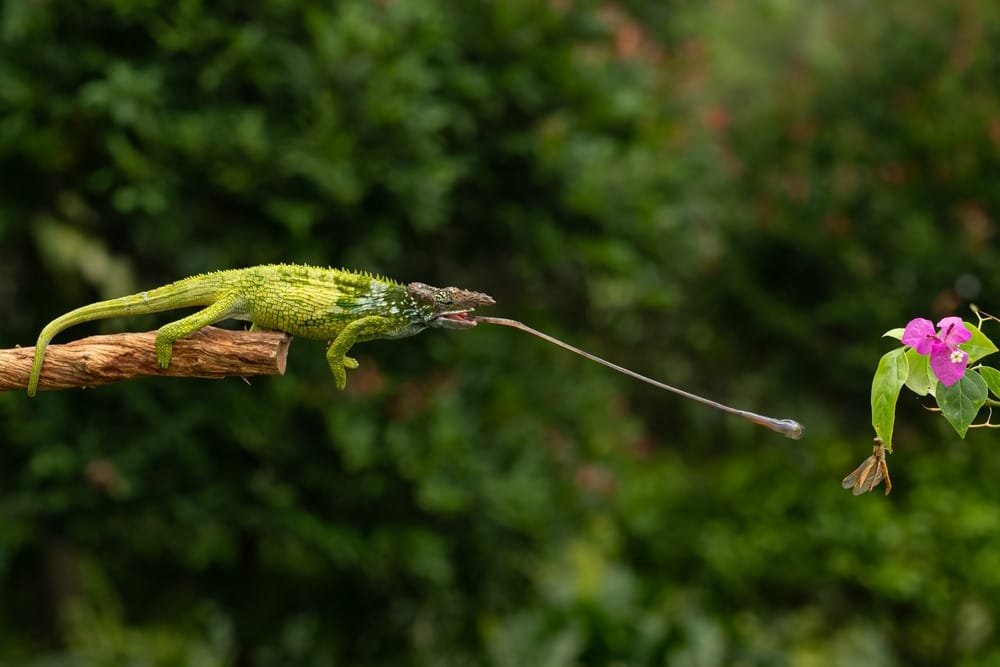
The best-known camouflage icon. Using special nanocrystals in its skin, it changes color in a flash to blend into the leaves and to communicate its emotions.
Should honestly be the top spot for real.
Stick Insect and Leaf Insect
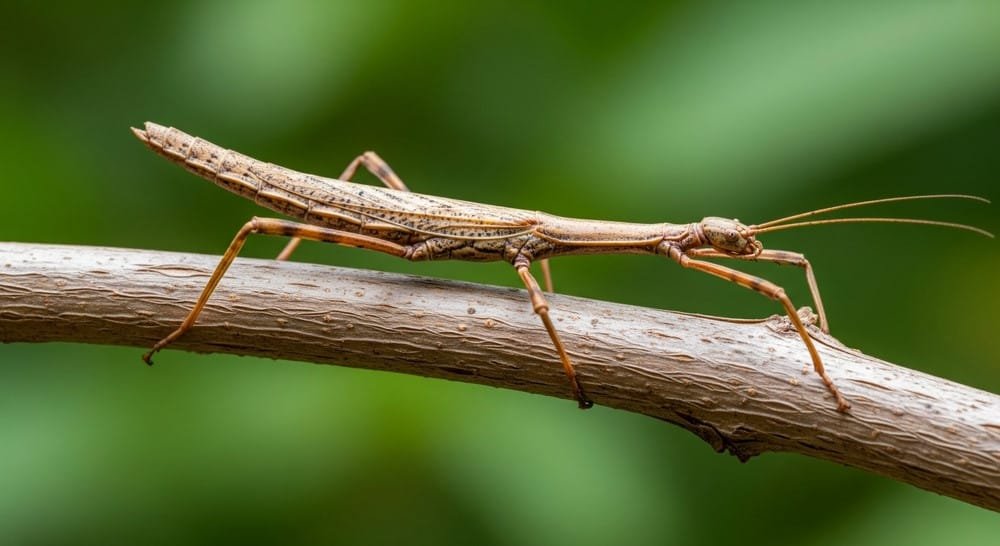
Indistinguishable from a real twig or dry leaf, complete with bumps, veins and even a swaying movement as if they're blowing in the wind.
An amazing animal honestly.
Long-eared Owl and Snowy Owl
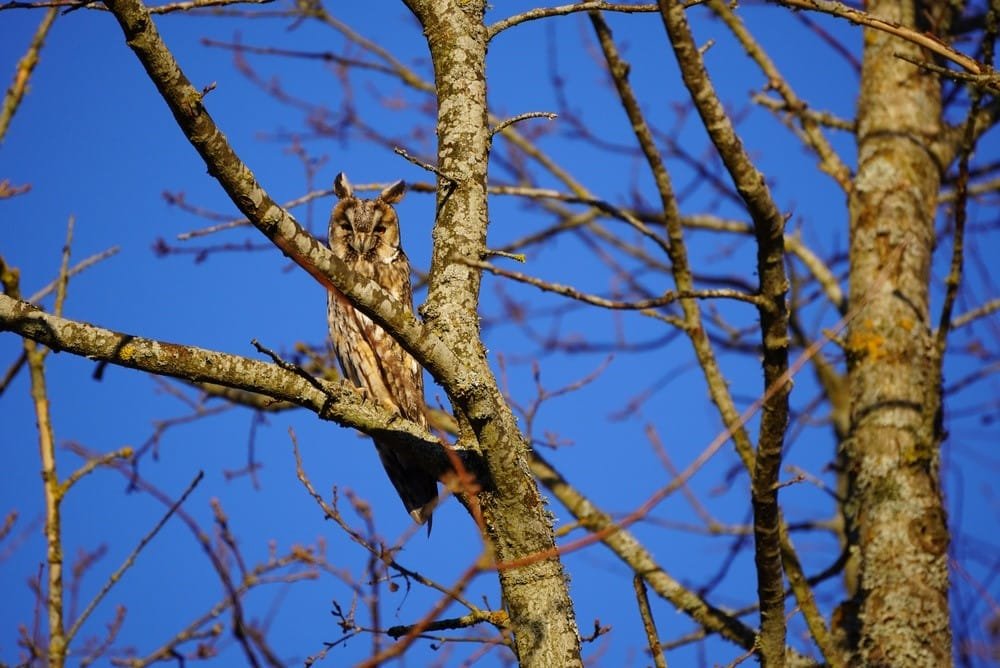
With their mottled plumage, they blend seamlessly into tree bark or a snowy tundra landscape. Often you only spot them when they suddenly open their eyes.
Fair ranking honestly honestly.
Leaf-tailed Gecko (Madagascar)
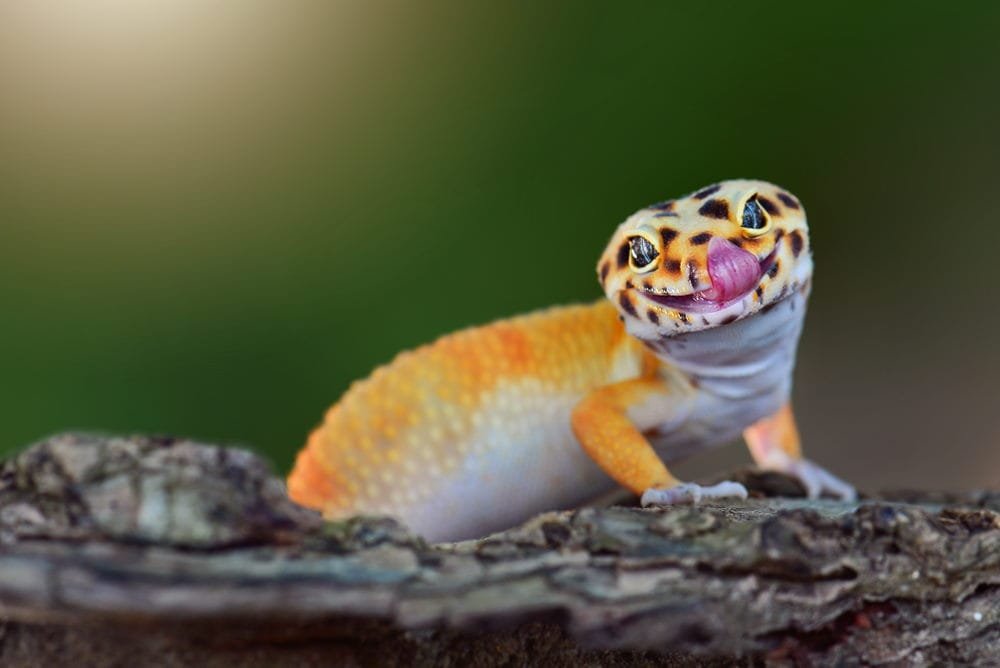
Its whole body, including its tail, imitates a withered, rotting leaf with jagged edges and moss-like spots. Virtually invisible on a tree trunk.
Log in to post a comment.
Pygmy Seahorse
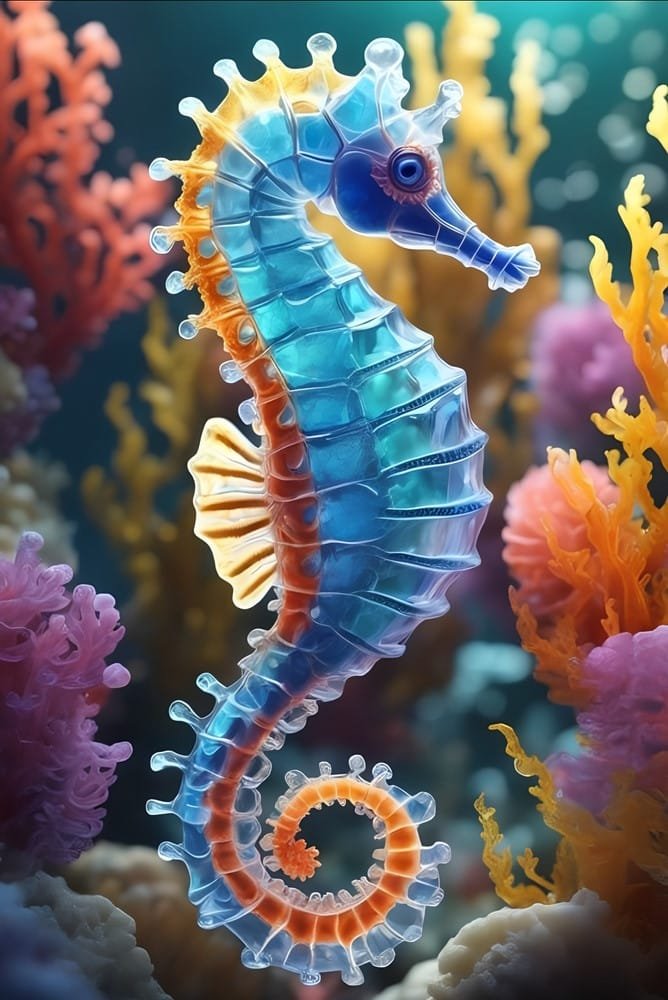
This tiny seahorse (barely 2 centimeters long) has bumps on its skin that exactly match the coral branches it spends its entire life on.
Log in to post a comment.
Flatfish (Flounder and Plaice)
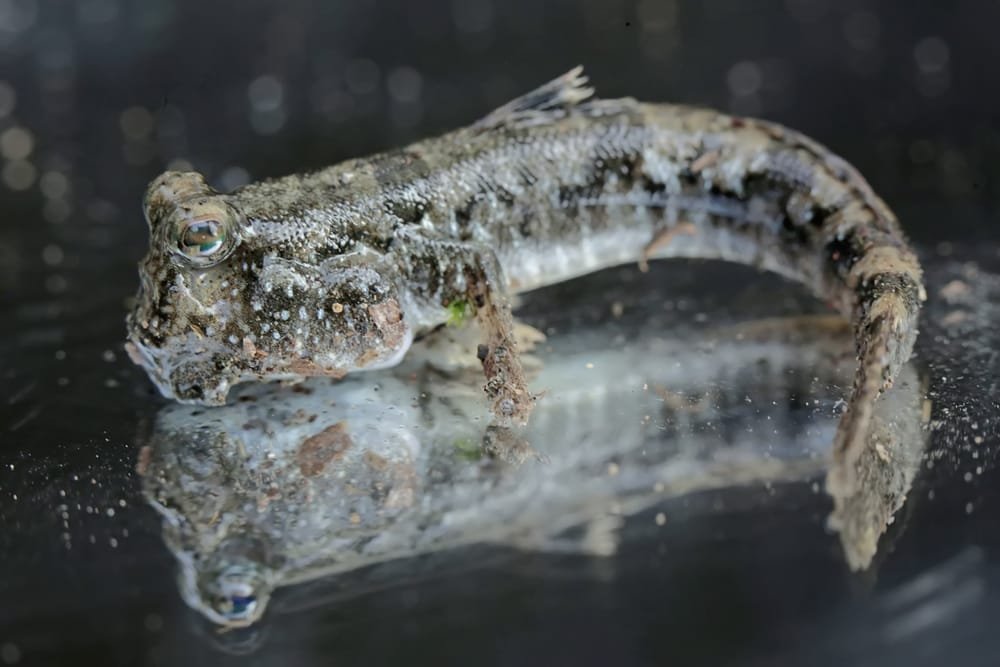
Lies flat on the seabed and adapts its skin pattern to gravel, sand or mud within seconds, while burying itself partly in the sand with its fins.
Log in to post a comment.
Ghost Mantis
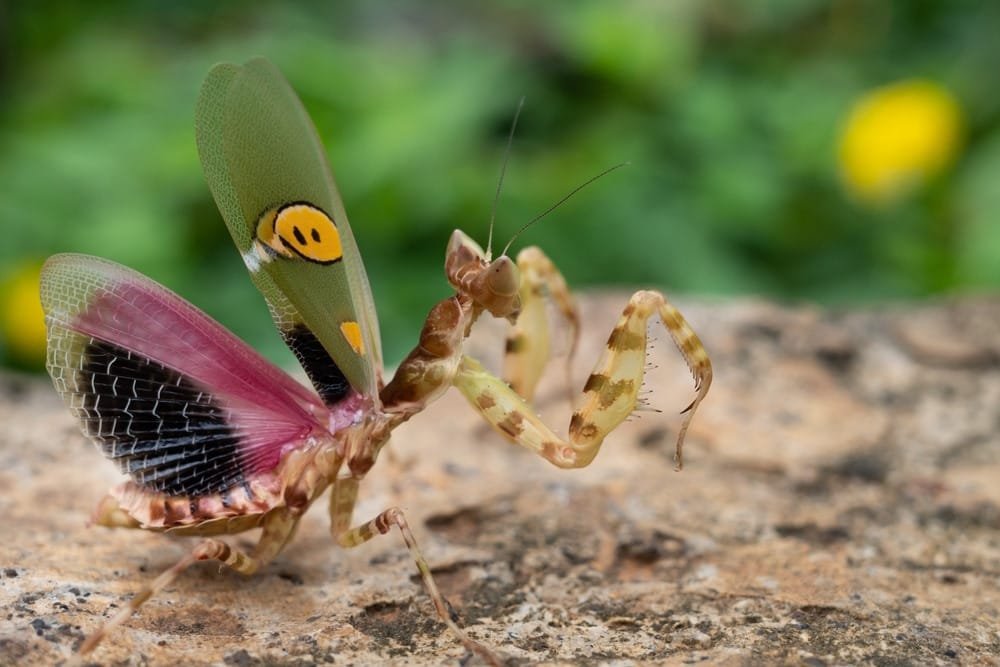
Looks eerily like a dried, curled autumn leaf with pointed projections and a dark hue, so prey walks past unsuspectingly.
Log in to post a comment.
Stonefish
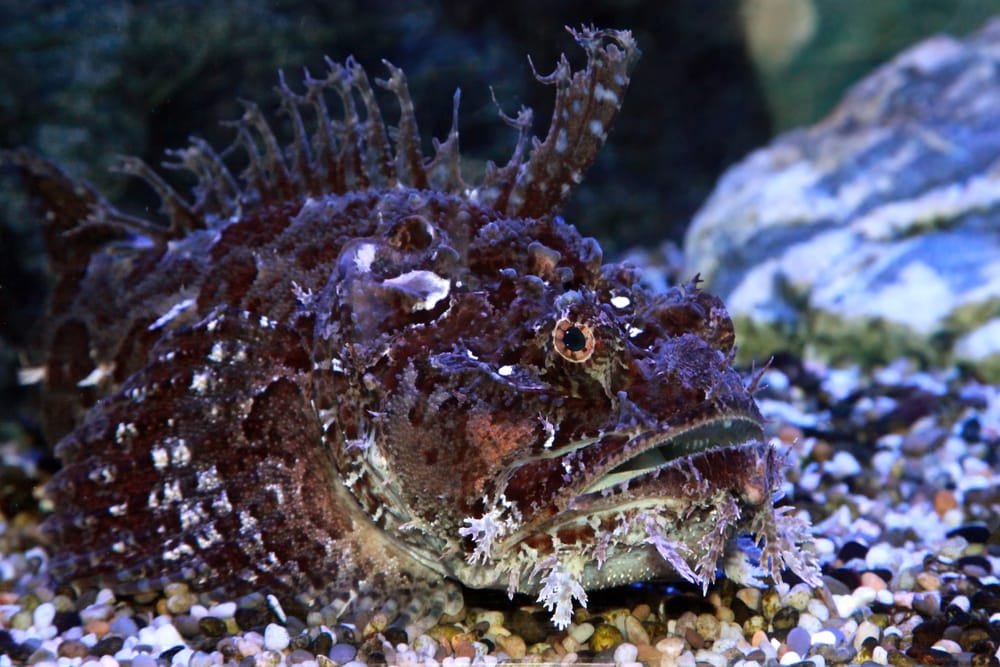
Looks like an algae-covered rock on the seabed. One of the most venomous fish in the world, which swimmers accidentally step on because it can't be seen.
Log in to post a comment.
Arctic Fox
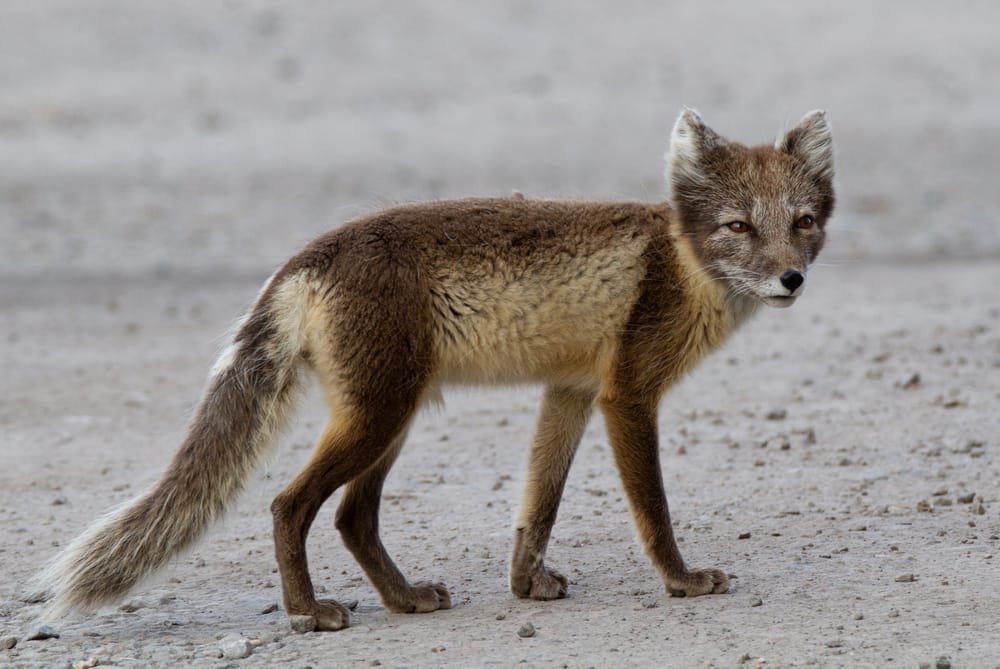
Changes coats by season: pure white in winter to blend into the snow, gray-brown in summer to hunt inconspicuously across the tundra.
Log in to post a comment.
Missing an item in this list?
Log in or create a free account to add an item yourself.
Log in / create account
Deserves the top spot without question.
Log in to post a comment.