All scorpions are venomous, and they have been around for more than 400 million years. Of the roughly 2,500 known species, only a few dozen have venom strong enough to seriously harm a human.
Those few, however, are responsible for more than a million stings every year, and thousands of deaths, mostly among children in poor rural areas. These are the seven most dangerous scorpions in the world.
1. Indian red scorpion (Hottentotta tamulus)
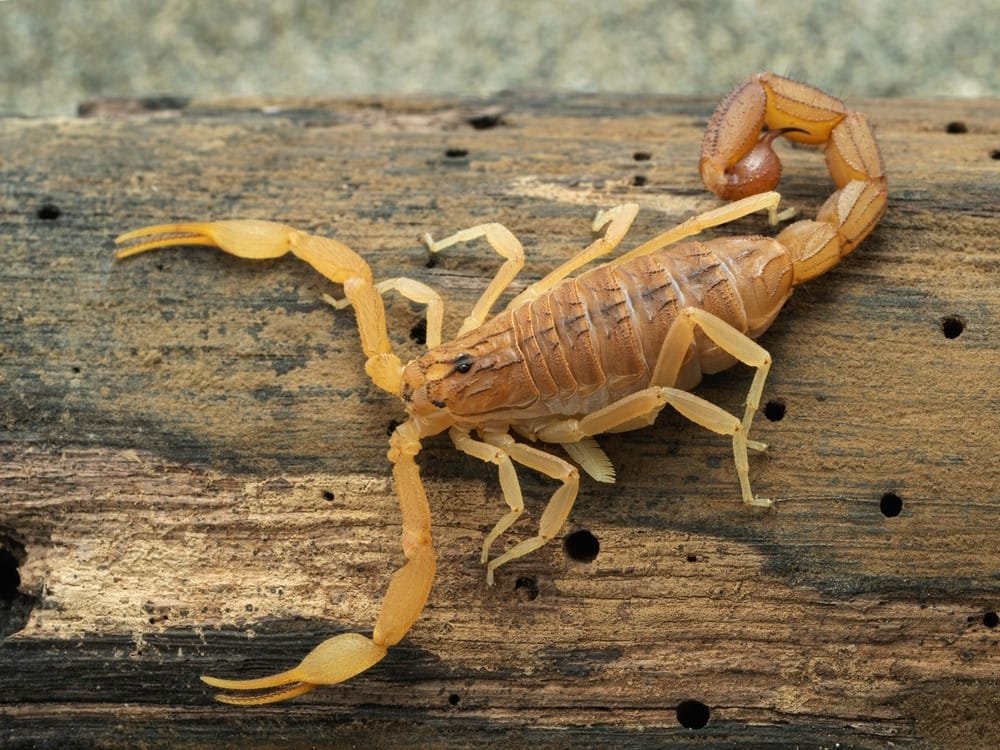
The Indian red scorpion is often called the most dangerous scorpion in the world. It lives in India, Pakistan, Nepal and Sri Lanka, often close to villages, where people are stung while walking barefoot or sleeping on the floor.
Its venom attacks the heart and can cause fluid to build up in the lungs. In the past, the death rate among untreated victims, especially children, was reported to be as high as 8 to 40 percent. Thanks to better treatment, deaths have since dropped sharply.
2. Deathstalker (Leiurus quinquestriatus)
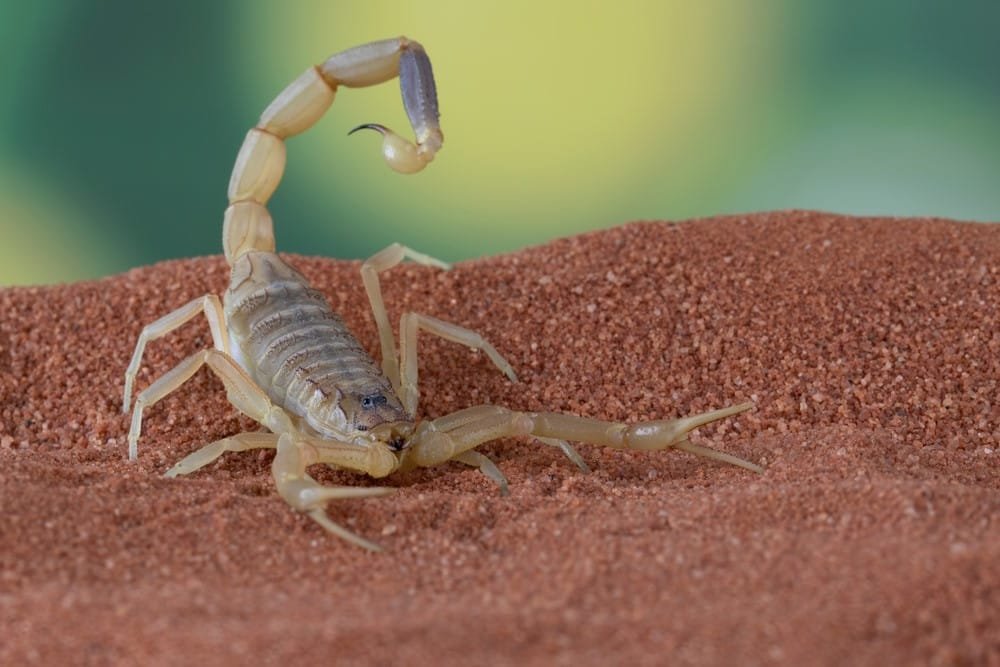
The name says it all. The deathstalker, found in North Africa and the Middle East, is only about 5 to 6 centimeters long, but its venom is one of the most potent of any scorpion.
A sting causes extreme pain, and in children and elderly people it can lead to heart and breathing problems. Healthy adults usually survive, but it always needs medical attention. Remarkably, a compound from its venom is being studied to help surgeons light up brain tumors.
3. Brazilian yellow scorpion (Tityus serrulatus)
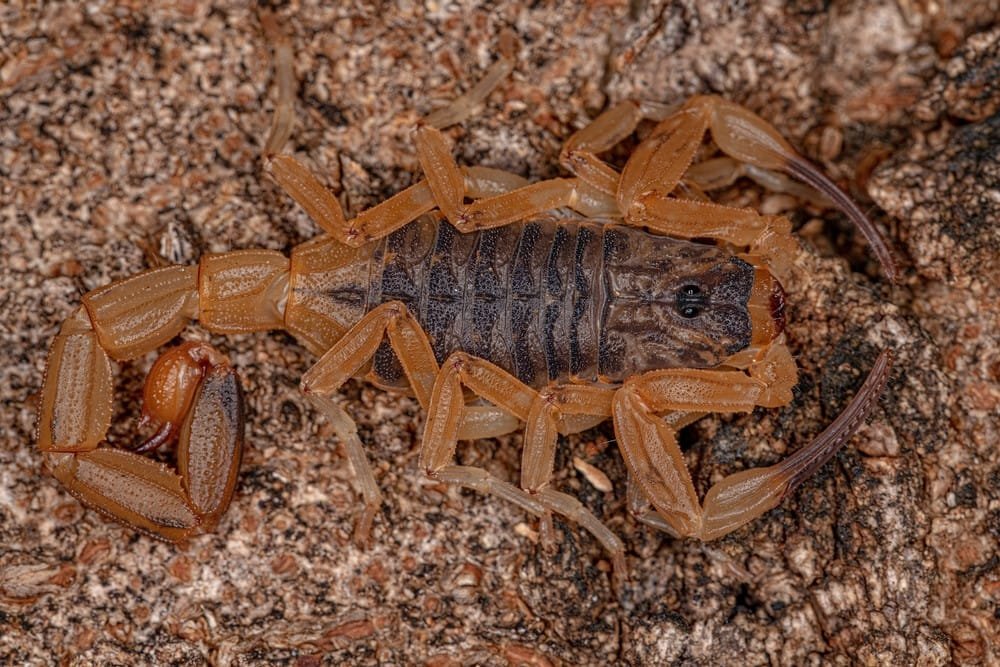
The Brazilian yellow scorpion is the most dangerous scorpion in South America. It thrives in cities, hiding in drains, rubble and walls, and is spreading fast across Brazil.
Even more remarkably, the species consists almost entirely of females that reproduce without males. Brazil now records well over 100,000 scorpion stings a year, and this species causes most of the deaths, mainly among young children.
4. Arabian fat-tailed scorpion (Androctonus crassicauda)
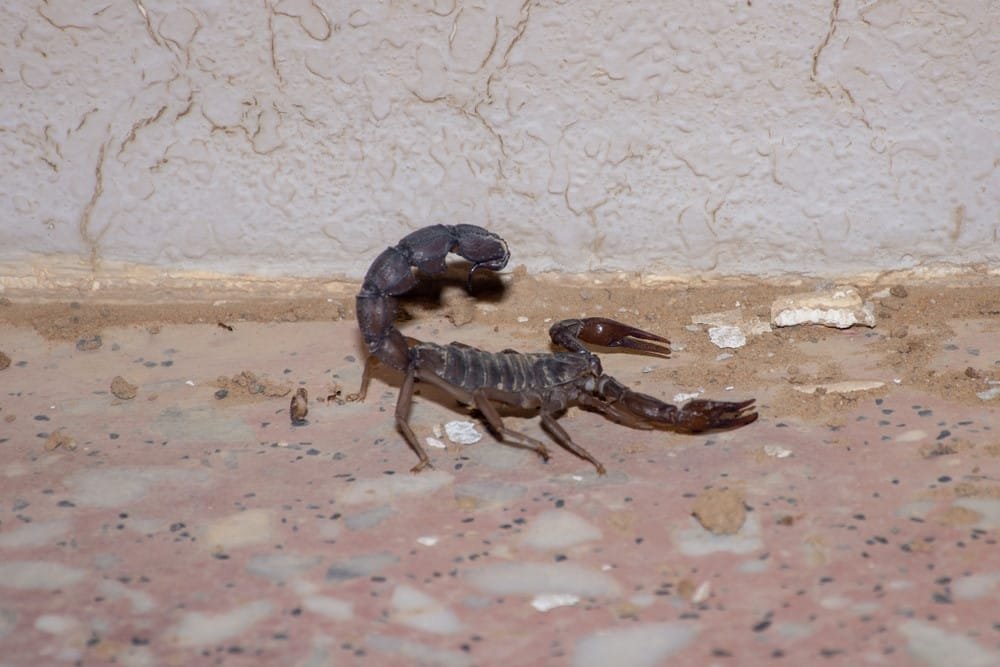
Fat-tailed scorpions get their name from their thick, powerful tails. The Arabian fat-tailed scorpion lives across the Middle East, from Turkey and Iraq to Iran and the Arabian Peninsula.
It is known for its aggressive temperament and strong venom, and it is a frequent cause of serious stings in the region, including among soldiers stationed there.
5. Yellow fat-tailed scorpion (Androctonus australis)
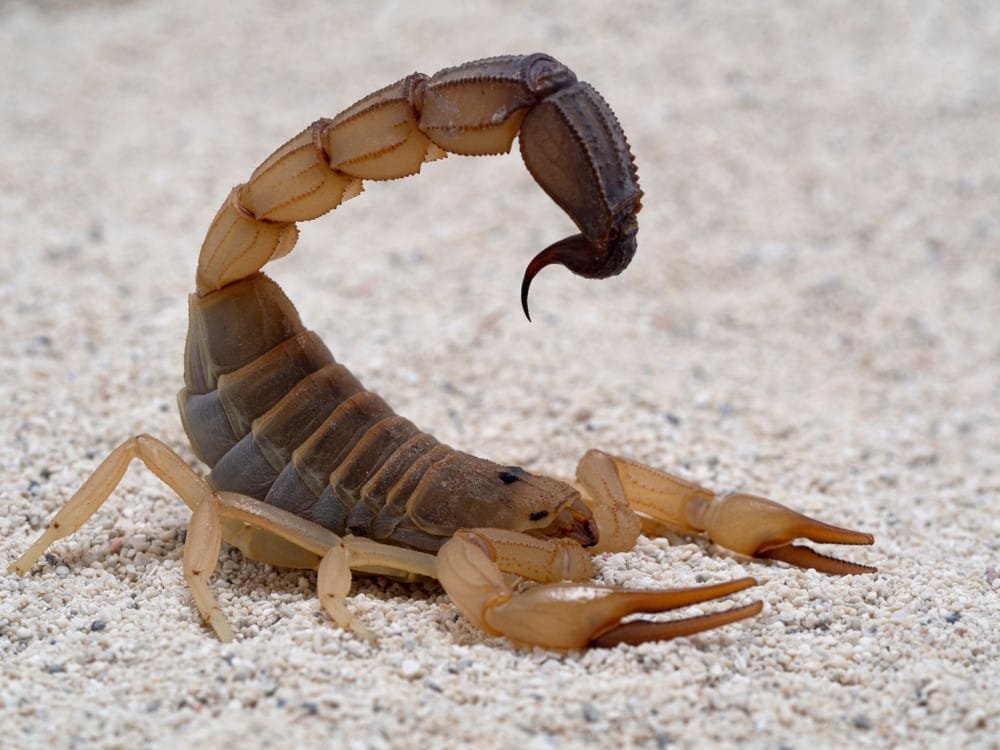
Its genus name, Androctonus, literally means “man killer”. The yellow fat-tailed scorpion lives in the deserts of North Africa and is perfectly adapted to the heat and sandstorms of the Sahara.
Its venom attacks the nervous system and can cause convulsions and paralysis. It is responsible for many of the serious scorpion stings in countries like Algeria and Tunisia.
6. Arizona bark scorpion (Centruroides sculpturatus)
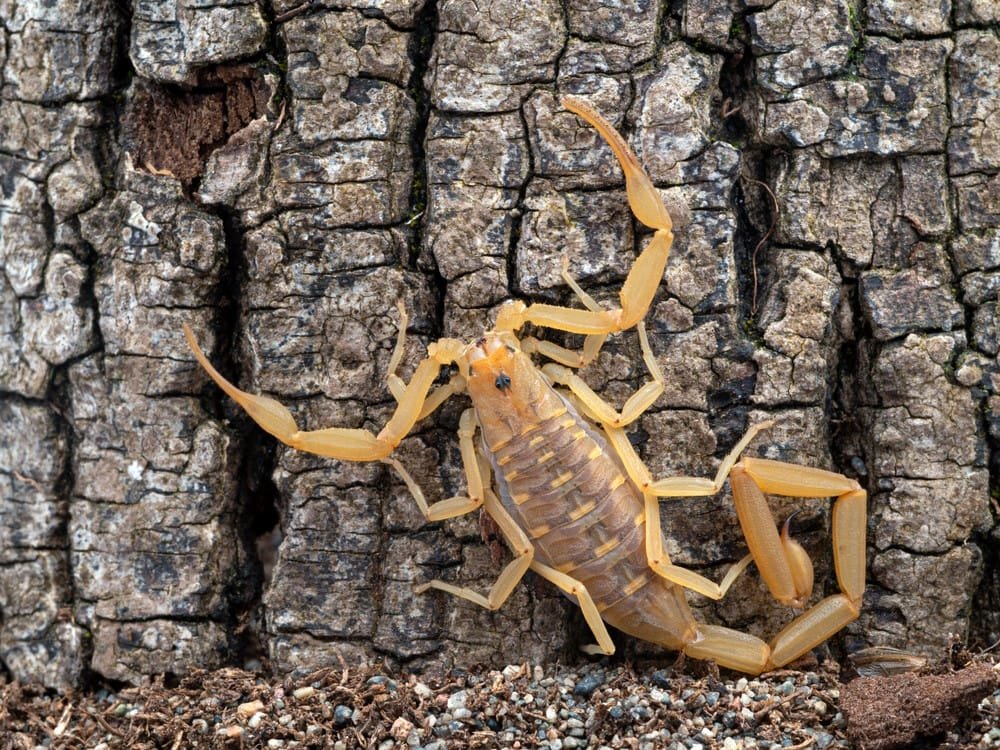
The Arizona bark scorpion is the most venomous scorpion in North America. It lives in the southwestern United States and northern Mexico and likes to climb, which means it regularly ends up in houses, shoes and beds.
A sting causes intense pain, numbness and tingling that can last for days, and young children can develop serious symptoms. Since an antivenom was approved in the United States in 2011, deaths have become extremely rare.
7. Spitting thicktail scorpion (Parabuthus transvaalicus)
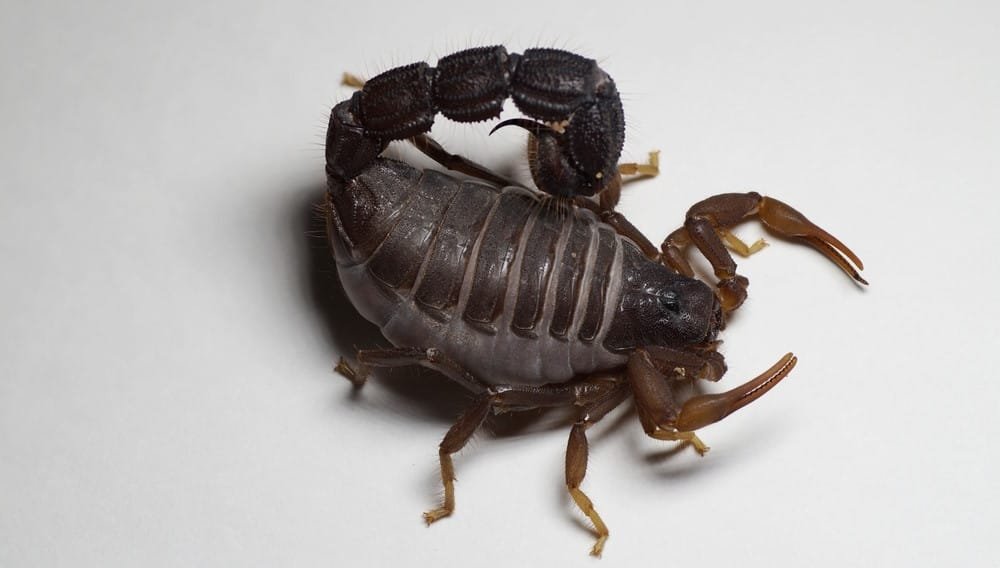
This large black scorpion from southern Africa has a thick, grainy tail and a nasty trick: it can spray its venom up to a meter through the air, aiming for the eyes of an attacker.
It also uses two kinds of venom: a weak “pre-venom” for small prey and warnings, and a much stronger cocktail when it is really threatened. A sting is extremely painful, but with medical care, deaths are rare.