
Soul music is the sonic embodiment of pure human emotion, spiritual release, and transcendent passion. Born from the historic collision of African-American gospel traditions and gritty rhythm and blues, soul set the world ablaze throughout the 1950s, 60s, and 70s. It became the soundtrack not only for timeless romance and heartbreak, but also for the defining social movements of the twentieth century.
From the impeccably polished crossover hits of Detroit's Motown and the raw, swampy southern grooves of Memphis's Stax Records to the lush orchestrations of Philadelphia soul, these pioneers revolutionized modern music. Their vocal genius and songwriting craftsmanship continue to inspire artists across every genre.
Which one of these deserves the top spot? Cast your votes below and let us know your favorites in the comments!
Cast your vote - the ranking shifts live based on the votes.
Aretha Franklin
With four legendary letters, the undisputed Queen of Soul reshaped the civil rights and feminist movements in 1967. While Otis Redding wrote Respect, Aretha Franklin transformed it with fiery gospel runs, blistering horn arrangements, and her sisters' iconic 'sock it to me' backing vocals into an unshakeable anthem of empowerment. Her four-octave voice remains the ultimate benchmark of musical authority.
Stevie Wonder
A child prodigy who blossomed into one of the greatest musical geniuses in history, Stevie Wonder virtually redefined soul, funk, and pop. Playing nearly every instrument himself on masterpieces like Superstition and Songs in the Key of Life, his elastic clavinet grooves and soaring vocals broke every artistic boundary. His extraordinary creative run in the 1970s produced some of the most joyful and innovative music ever recorded.
Log in to post a comment.
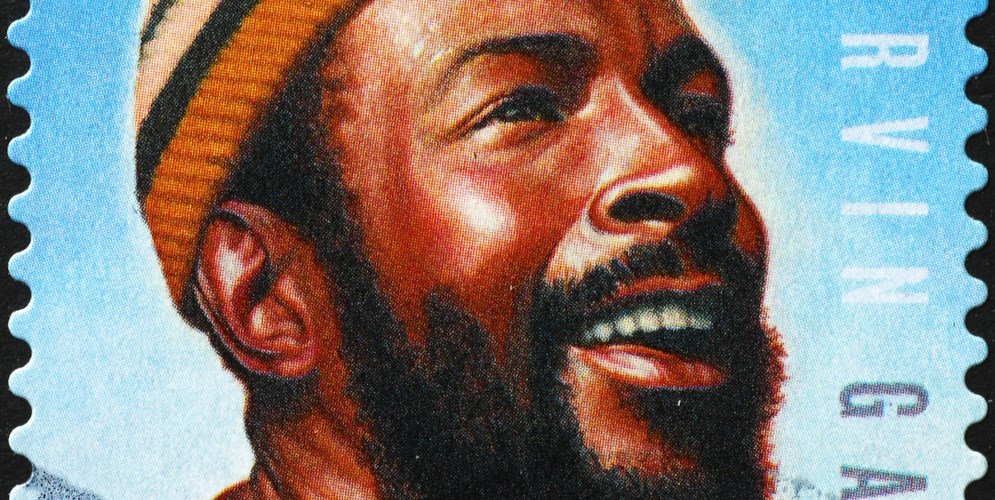
Marvin Gaye
Known as the 'Prince of Motown,' Marvin Gaye fought the label establishment to release What's Going On, an exquisitely orchestrated concept album addressing war, environmental destruction, and racial injustice. His velvety multi-tracked vocals and silky smooth falsetto conveyed profound vulnerability and spiritual urgency. From sensuous romantic ballads to urgent social commentaries, Gaye remains a peerless visionary.
Log in to post a comment.
Otis Redding
Otis Redding was the beating heart of Stax Records, blessed with an earthy, passionate voice that radiated raw emotional power. Recorded just days before his tragic death in a 1967 plane crash, (Sittin' On) The Dock of the Bay captured an introspective acoustic serenity that forever defined his legacy. His electric stage presence and urgent, pleading delivery made him a foundational giant of Southern soul.
Log in to post a comment.
Sam Cooke
Widely revered as the father of soul music, Sam Cooke was the first gospel titan to crossover seamlessly into secular pop stardom. Inspired by Bob Dylan's protest music, he wrote and recorded A Change Is Gonna Come, an orchestral masterpiece that became the timeless hymn of the American Civil Rights Movement. His effortless phrasing, silken tone, and melodic perfection paved the way for generations of Black artists.
Log in to post a comment.
Ray Charles
Known simply as 'The Genius,' Ray Charles virtually invented soul music in the mid-1950s by boldly marrying the sacred fervor of church gospel with the carnal swagger of the blues. Behind his piano, his expressive raspy vocals and brilliant arrangements dismantled racial and stylistic boundaries across jazz, blues, and country. Classics like Georgia on My Mind remain towering monuments of American musical heritage.
Log in to post a comment.
James Brown
The 'Godfather of Soul' transformed popular music by relentlessly placing the rhythmic emphasis on 'The One'—the first beat of the bar. With razor-sharp horn stabs, syncopated guitar rhythms, and his own bloodcurdling shrieks, James Brown turned rhythm into pure physical drama. His superhuman work ethic and magnetic showmanship laid the direct foundation for both funk and hip-hop.
Log in to post a comment.
Al Green
Under the guidance of producer Willie Mitchell at Memphis's Royal Studios, the Reverend Al Green crafted an intoxicatingly warm and sensual brand of early-70s soul. His breathtaking falsetto glided like warm honey over gentle horn swells, understated strings, and Al Jackson Jr.'s relaxed backbeat on masterpieces like Let's Stay Together. Few vocalists have ever communicated romantic and spiritual ecstasy with such effortless grace.
Log in to post a comment.
Diana Ross
As the radiant lead voice of The Supremes and later as a glamorous solo superstar, Diana Ross broke barriers and set the standard for modern pop and soul divas. Anthems like Ain't No Mountain High Enough demonstrated her magnificent vocal versatility, moving from whispered, cinematic spoken-word passages to triumphant, roof-raising choral climaxes. Her supreme elegance and chart-topping achievements helped define the sound of young America.
Log in to post a comment.
Gladys Knight & The Pips
With The Pips providing impeccably synchronized harmonies, dance steps, and train whistles, Gladys Knight poured her heart into the bittersweet classic Midnight Train to Georgia. Her commanding, raspy gospel voice brought profound gravitas to tales of love, loyalty, and perseverance. Together, this family ensemble created an enduring catalog of warm, sophisticated Southern and Motown soul.
Log in to post a comment.
Smokey Robinson & The Miracles
Once hailed by Bob Dylan as 'America's greatest living poet,' Smokey Robinson was the primary songwriting architect of the Motown sound. In The Tears of a Clown, he paired upbeat carnival melodies with the poignant anguish of a man concealing heartbreak behind a smile. His silken, floating falsetto voice remains one of the sweetest and most influential instruments in soul history.
Log in to post a comment.
Etta James
Possessing a voice of astonishing grit, depth, and vulnerability, Etta James bridged the raw traditions of jump blues, gospel, and soul. When the lush strings swell and James delivers the opening phrases of At Last, her profound emotional resonance can stop time itself. Her impassioned, uncompromising delivery made her an inspiration to modern powerhouses from Janis Joplin to Adele.
Log in to post a comment.
Bill Withers
Bill Withers brought an honest, working-class acoustic simplicity and profound wisdom to 1970s soul. Backed by sparse acoustic strumming and subtle strings, Ain't No Sunshine became an instant classic, featuring the legendary impromptu repetition of 'I know' twenty-six times in a row. His rich, comforting baritone voice and timeless storytelling make songs like Lean on Me universal anthems of empathy.
Log in to post a comment.
Curtis Mayfield
As the creative mastermind behind The Impressions and later with his epochal Super Fly soundtrack, Curtis Mayfield was the conscience and poet of Black pride. Move On Up pulsed with infectious hope, driven by driving Latin congas, joyous horn fanfares, and Mayfield's gentle, celestial falsetto. His progressive social commentary and funky guitar innovations left an enormous imprint on modern music.
Log in to post a comment.
Wilson Pickett
Wilson Pickett possessed one of the fiercest, most explosive voices in music, radiating pure adrenaline and raw sweat. Recorded at Stax Studios alongside guitarist Steve Cropper, In the Midnight Hour simmered with tense nocturnal anticipation and gritty rhythmic power. Pickett's guttural roars and ferocious swagger epitomized the unbridled spirit of deep Southern soul.
Log in to post a comment.
Roberta Flack
Classically trained in piano and vocal performance, Roberta Flack brought unprecedented intimacy, restraint, and sophisticated jazz elegance to soul music. Her breathtaking rendition of Killing Me Softly With His Song wraps the listener in velvety warmth, electric piano chords, and heartbreakingly gentle vocals. She remains the only solo artist to win the Grammy for Record of the Year in two consecutive years.
Log in to post a comment.
Donny Hathaway
Donny Hathaway was a brilliant multi-instrumentalist, arranger, and vocalist whose tragically brief life left an enormous legacy. His legendary live recordings and breathtaking studio interpretation of Leon Russell's A Song for You demonstrated a level of vocal virtuosity and spiritual depth that continues to leave listeners spellbound. His collaborations with Roberta Flack produced some of the sweetest duets in soul history.
Log in to post a comment.
Solomon Burke
An ordained minister crowned 'King Solomon,' Solomon Burke was a pivotal architect of early soul, infusing secular rhythm and blues with the booming fervor of the pulpit. Cry to Me showcased his thunderous, pleading baritone and emotional dynamics, later finding a global resurgence through Dirty Dancing. His regal presence and deep gospel roots helped define Atlantic Records' signature sound.
Log in to post a comment.
Isaac Hayes
Isaac Hayes shattered conventions in the late 1960s with his widescreen symphonic soul arrangements and baritone vocal majesty. His monumental Theme from Shaft, propelled by Charles Pitts' wah-wah guitar riff and lush orchestral swells, earned Hayes a historic Academy Award. Behind the mixing desk at Stax and on stage in his gold chains, Hayes was an iconic visionary of soul extravagance.
Log in to post a comment.
Tina Turner
Teaming with Ike before conquering the world as a solo rock and soul goddess, Tina Turner transformed John Fogerty's country-rock song Proud Mary into a volcanic soul explosion. Beginning 'nice and easy' before detonating into a hurricane of blaring horns, ferocious dancing, and raspy vocal ecstasy, her performance remains unmatched. Tina's resilience, athletic stage power, and electric vocal grit make her an immortal legend.
Log in to post a comment.
Missing an item in this list?
Log in or create a free account to add an item yourself.
Log in / create account
Log in to post a comment.