
Since its inception in 1956, the Eurovision Song Contest has brought Europe and the world together in an electrifying spectacle of music, culture, glamour, and drama. What began as a modest showcase for European chansons has evolved into the biggest live music event on the planet, launching global icons and producing timeless pop classics across every genre imaginable.
From euphoric Scandinavian dance anthems and theatrical hard rock spectacles to delicate, intimate ballads, Eurovision has gifted popular culture some of its most unforgettable musical moments. These twenty entries stand as the pinnacle of songwriting, performance, and stagecraft in contest history.
Which one of these deserves the top spot? Cast your votes below and let us know your favorites in the comments!
Cast your vote - the ranking shifts live based on the votes.
ABBA – Waterloo
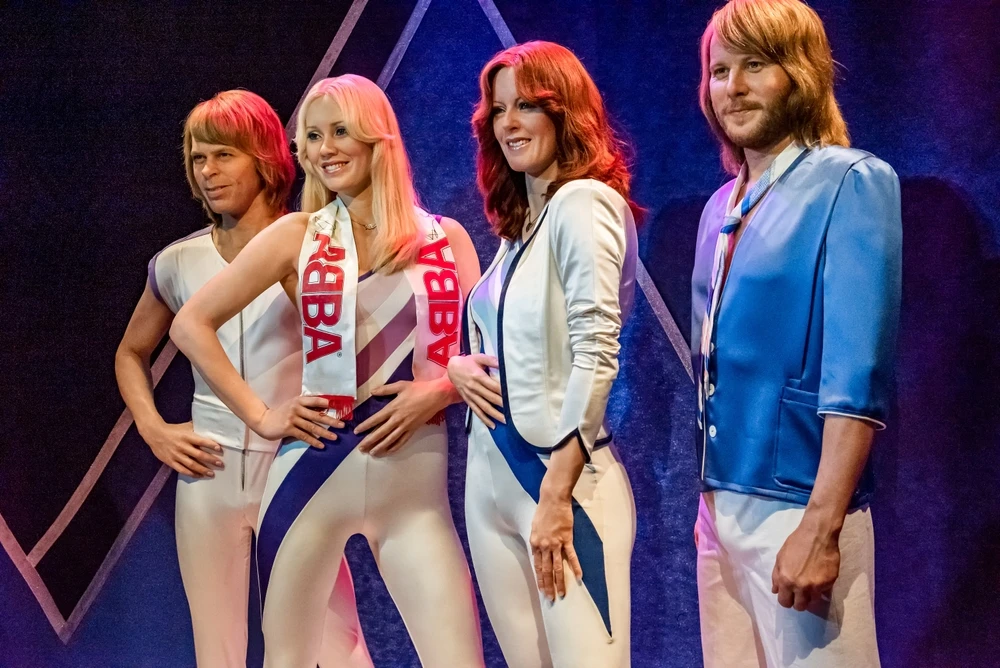
When ABBA took the stage in Brighton in 1974 dressed in glittering glam-rock attire, they revolutionized the Eurovision Song Contest forever. Driven by an infectious saxophone riff, driving piano chords, and the pristine harmonies of Agnetha and Anni-Frid, Waterloo launched the career of the most successful pop group in music history. It remains the gold standard against which every Eurovision winner is measured.
Loreen – Euphoria
With Euphoria in 2012, Swedish sensation Loreen set a new benchmark for modern electronic dance music on the Eurovision stage. The track's thunderous trance beats, hypnotic martial-arts choreography, and breathtaking vocal power captivated millions of viewers worldwide. It instantly became the definitive Eurovision evergreen of the 21st century.
Log in to post a comment.
Duncan Laurence – Arcade
In 2019, Duncan Laurence secured victory for the Netherlands after a 44-year drought with this vulnerable, atmospheric power ballad. Seated at his piano, Laurence delivered an intensely raw and emotionally devastating performance about grief and longing. Arcade transcended the contest to become a massive global streaming phenomenon and international radio hit.
Log in to post a comment.
Johnny Logan – Hold Me Now
Known affectionately as 'Mister Eurovision,' Irish balladeer Johnny Logan made history by becoming the first artist to win the contest twice as a performer. Hold Me Now is the quintessential 1980s power ballad, featuring lush orchestral arrangements, a dramatic key change, and Logan's impassioned vocal plea. It stands as one of the most enduring romantic anthems in Eurovision history.
Log in to post a comment.
Måneskin – Zitti E Buoni
Italian rock outfit Måneskin proved in 2021 that raw, electrifying rock and roll could conquer the Eurovision stage in dominant fashion. Frontman Damiano David commanded the arena with raspy, ferocious vocals, blazing guitar riffs, and sheer swagger. Their historic triumph catapulted the band from Roman street buskers to international arena-headlining superstars.
Log in to post a comment.
France Gall – Poupée de cire, poupée de son
Penned by legendary provocateur Serge Gainsbourg for Luxembourg in 1965, this track broke radically with the slow, traditional chanson format. Driven by an upbeat yé-yé pop rhythm and soaring strings, the song disguised a sharp critique of the music industry beneath a bubbly melody. France Gall's spirited performance permanently opened the door for youth culture at Eurovision.
Log in to post a comment.
Sandra Kim – J'aime la vie
At just thirteen years old, Sandra Kim delivered Belgium's first and only Eurovision victory in 1986 with infectious optimism. Dressed in her memorable oversized pink jacket, Kim dazzled audiences with her powerhouse vocals and boundless stage energy. J'aime la vie remains one of the ultimate feel-good synth-pop anthems of the 1980s.
Log in to post a comment.
Alexander Rybak – Fairytale
Blending enchanting violin virtuosity with traditional Norwegian folk elements and a driving pop groove, Alexander Rybak smashed all Eurovision records in 2009. His charismatic stage presence and joyful choreography earned the highest score ever recorded under the contest's classic voting system. Fairytale captured the imaginations of viewers across the globe.
Log in to post a comment.
Conchita Wurst – Rise Like a Phoenix
Conchita Wurst delivered a spellbinding performance in Copenhagen in 2014 with this sweeping, cinematic James Bond-style ballad. Backed by monumental orchestration, Wurst's soaring, flawless vocals transformed the performance into a global statement of acceptance and empowerment. The victory marked one of the most iconic and emotionally resonant milestones in Eurovision lore.
Log in to post a comment.
Teach-In – Ding-a-Dong
Opening the 1975 contest in Stockholm, Dutch group Teach-In set an unstoppable precedent with this irresistibly catchy pop gem. Propelled by sunny glockenspiel accents, joyful harmonies, and Getty Kaspers' sparkling vocals, the song took home the grand trophy. Ding-a-Dong remains a classic example of pure, unadulterated mid-seventies Eurovision charm.
Log in to post a comment.
Lordi – Hard Rock Hallelujah
Decked out in terrifying prosthetic monster costumes and armed with exploding pyrotechnic axes, Finnish heavy metal act Lordi shocked the contest in 2006. With crushing guitar riffs, thunderous drums, and a monstrously catchy singalong chorus, the band earned Finland its historic first Eurovision victory. It proved once and for all that hard rock could conquer Europe's biggest pop stage.
Log in to post a comment.
Loreen – Tattoo
Eleven years after her triumph with Euphoria, Loreen returned in 2023 to become only the second artist—and the first woman—to win Eurovision twice. Tattoo merges sweeping cinematic strings with a pulsing modern dance production and Loreen's peerless vocal dynamics. Trapped between two moving LED screens, her performance in Liverpool was nothing short of breathtaking.
Log in to post a comment.
Salvador Sobral – Amar Pelos Dois
Stripping away dancers, flashy pyrotechnics, and synth presets, Portuguese singer Salvador Sobral captivated Europe in 2017 with an exquisite jazz-infused ballad written by his sister Luísa. Sobral's gentle phrasing, delicate vibrato, and heartfelt melancholy earned the highest total points in Eurovision history. It proved that authentic, understated musical beauty can outshine the grandest spectacle.
Log in to post a comment.
Secret Garden – Nocturne
Norwegian-Irish neo-classical duo Secret Garden triumphed in 1995 with an ethereal composition containing only 24 words of lyrics. Centered around Fionnuala Sherry's haunting Celtic violin melodies and Rolf Løvland's atmospheric arrangement, the piece brought a rare, meditative serenity to the contest. Nocturne remains one of the most unique and artistically daring winners ever crowned.
Log in to post a comment.
Helena Paparizou – My Number One
Combining traditional Greek bouzouki melodies with a high-octane Eurodance groove, Helena Paparizou brought Greece its maiden Eurovision win in 2005. Her athletic stage routine, charismatic vocals, and infectious Mediterranean chorus created a massive summer sensation across the continent. It stands as a masterclass in modern, upbeat Eurovision choreography and production.
Log in to post a comment.
Måns Zelmerlöw – Heroes
Sweden's Måns Zelmerlöw revolutionized Eurovision stagecraft in Vienna in 2015 by seamlessly interacting with innovative stick-figure animations. Paired with a driving country-EDM beat, crisp acoustic guitars, and an uplifting vocal chorus, Heroes was an undeniable juggernaut. The victory solidified Sweden's status as the reigning contemporary superpower of the contest.
Log in to post a comment.
Nicole – Ein bisschen Frieden
Armed only with a white acoustic guitar and an earnest plea for peace, seventeen-year-old Nicole earned Germany its first Eurovision title in 1982. Composed by Ralph Siegel, this delicate folk ballad struck a deep emotional chord with millions across a Cold War-weary Europe. Her reprise, sung in four different languages, remains an unforgettable moment in television history.
Log in to post a comment.
Katrina and the Waves – Love Shine a Light
Twelve years after topping charts with Walking on Sunshine, Katrina and the Waves represented the United Kingdom in 1997 with this soaring gospel-pop ballad. Supported by rich choral harmonies and Katrina Leskanich's commanding vocal presence, the entry stormed to victory by a record-breaking margin. It remains the UK's most beloved and decisive modern Eurovision triumph.
Log in to post a comment.
The Common Linnets – Calm After the Storm
Dutch duo Ilse DeLange and Waylon captivated viewers in 2014 with an intimate, beautifully understated country-Americana masterpiece. Staged simply on a rotating platform with moody black-and-white visuals, their exquisite vocal blending and gentle fingerpicking secured second place behind Conchita Wurst. The track became a massive European hit, demonstrating the timeless appeal of authentic roots music.
Log in to post a comment.
Joost Klein – Europapa
Fusing nostalgic 1990s gabberpop and happy hardcore with an emotional tribute to his late parents, Joost Klein created a viral cultural phenomenon in 2024. Despite his controversial disqualification ahead of the grand final, Europapa became the defining anthem of the season, dominating European streaming charts and festival tents alike. Its frantic beats, comedic pathos, and poignant message of borderless unity resonated far beyond the stage.
Log in to post a comment.
Missing an item in this list?
Log in or create a free account to add an item yourself.
Log in / create account
Log in to post a comment.