


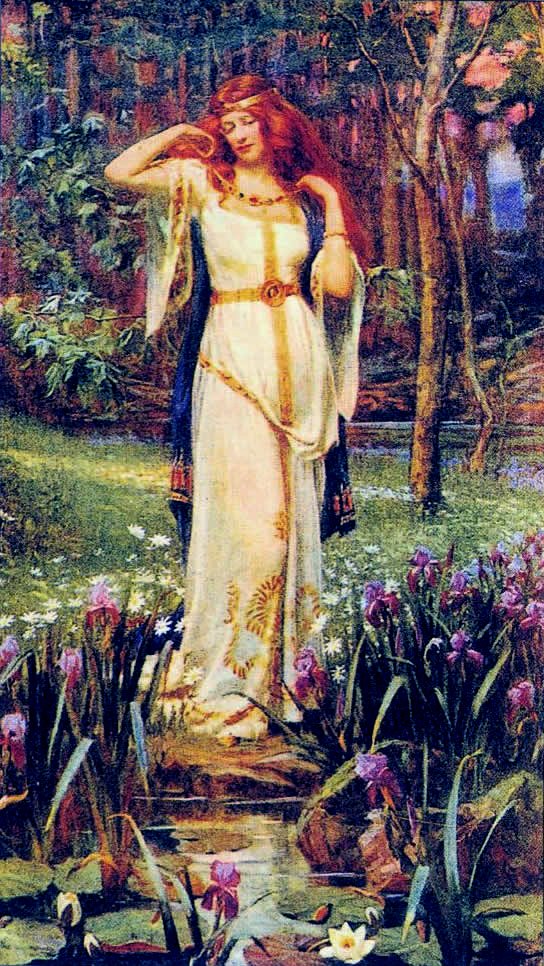
Freya (or Freyja) is one of the most prominent and complex goddesses in Norse mythology. She belongs to the Vanir, a group of gods associated with fertility and magic, but lived among the Aesir in Asgard following the war between the Aesir and Vanir.
1. Goddess of many domains
Freya is not a goddess with a single clear function; she rules over several vital domains. She is primarily known as the goddess of:
- Love and beauty: She is often invoked in matters of the heart and considered the most beautiful of all goddesses.
- Fertility and lust: She is associated with birth, sexuality, and sensual pleasure.
- Battle and death: Surprisingly, she also has a strong connection to war. She receives half of the warriors who die honorably on the battlefield in her hall Sessrúmnir in Fólkvangr (the other half goes to Odin’s Valhalla).
- Magic (Seidr): She is a mistress of “seidr,” a form of Norse magic and divination.
2. Belonging to the Vanir
Freya originally belongs to the Vanir, a family of gods often associated with nature, fertility, and prosperity, in contrast to the Aesir (such as Odin and Thor) who are more connected to war and power. Her brother is Freyr, who is also a major fertility god.
After the war between the Aesir and Vanir, Freya, Freyr, and their father Njord were sent to Asgard as hostages to seal the peace. There, Freya became a respected member of the Aesir pantheon.
3. Her hall Sessrúmnir in Fólkvangr
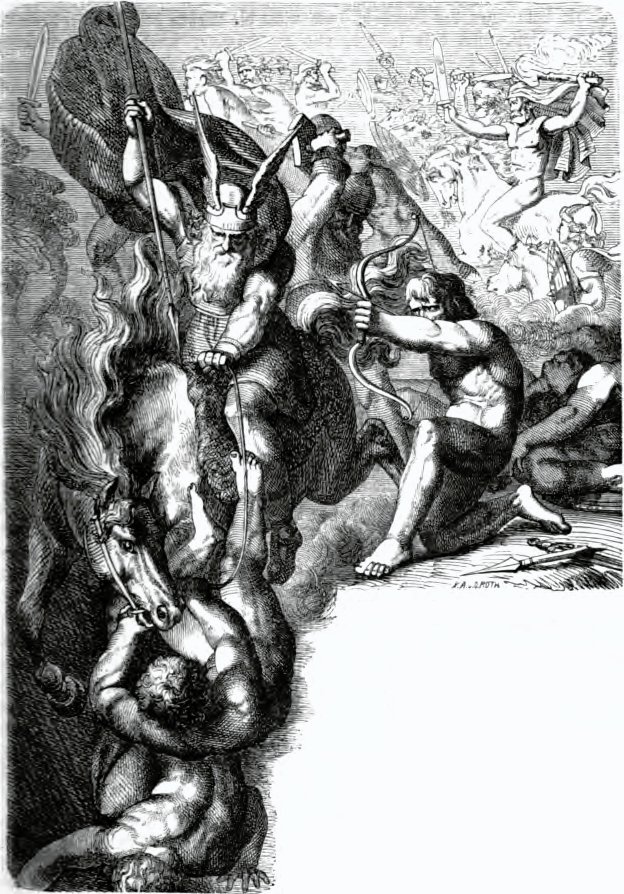
While Odin receives fallen warriors (einherjar) in Valhalla, Freya has her own realm for honorable fighters: Fólkvangr (“Field of the People” or “Army Field”). Her hall within Fólkvangr is called Sessrúmnir (“Seat-Roomy” or “Abundant in Seats”).
According to the myths, Freya has the first pick of the fallen warriors on the battlefield; half come to her hall, and the other half go to Odin. This underscores her status as a powerful goddess who is also connected to death and the afterlife for warriors.
4. Mistress of Seidr (Magic)
Freya is considered the primary practitioner of “seidr,” a form of Norse magic concerned with predicting and influencing the future, causing good or bad luck, and potentially shapeshifting.
According to tradition, it was Freya who taught Odin the art of seidr. This form of magic was sometimes considered “unmanly” for gods, which highlights the complexity of both Freya’s and Odin’s characters.
5. Her chariot pulled by cats
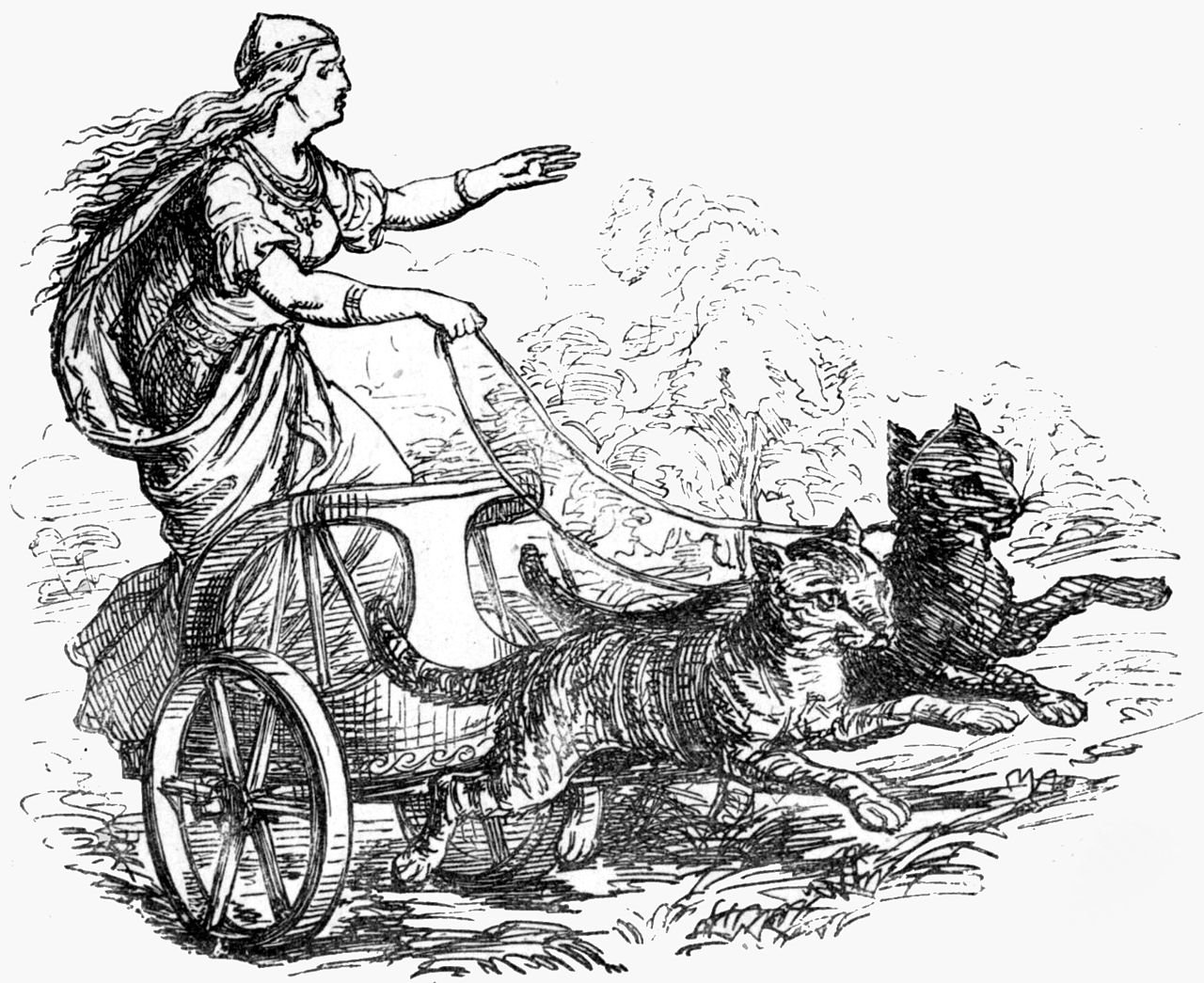
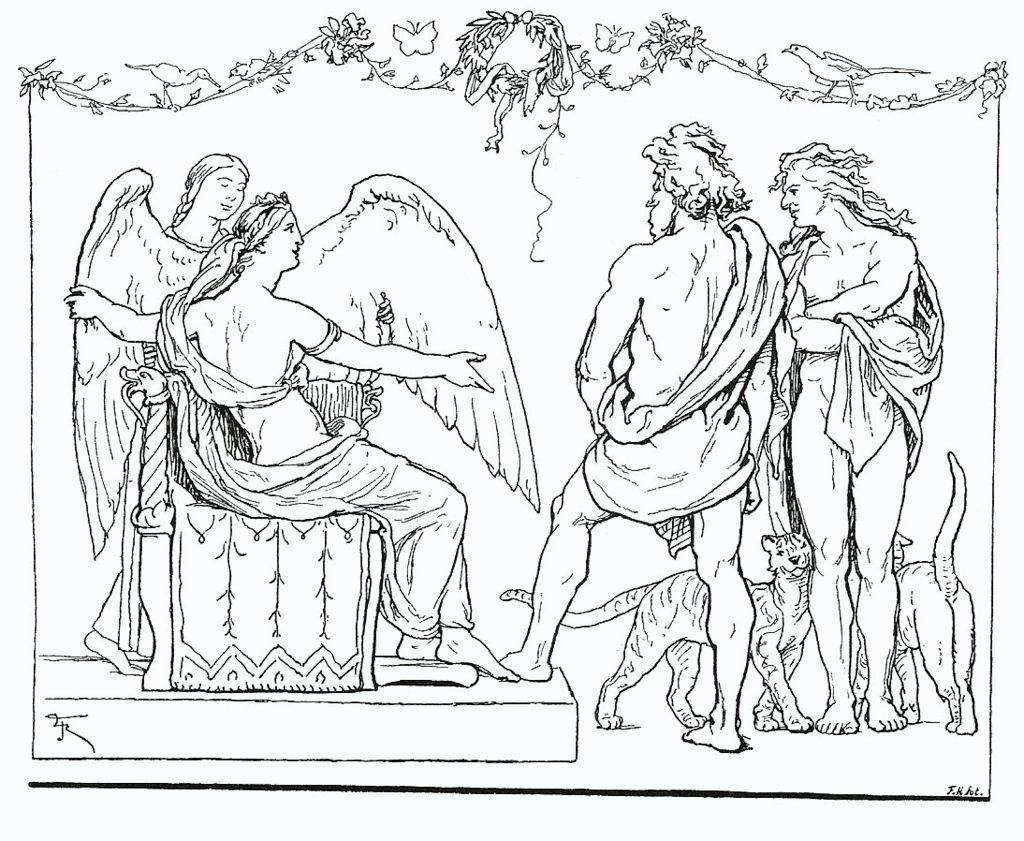
Freya travels in a chariot pulled by two large cats. In Norse culture, cats were associated with magic, independence, and sometimes fertility.
These unique companions contribute to her mysterious and powerful image. The names of the cats are not mentioned in ancient sources, but in modern interpretations, they are sometimes given names like Bygul and Trjegul.
6. The Brísingamen necklace
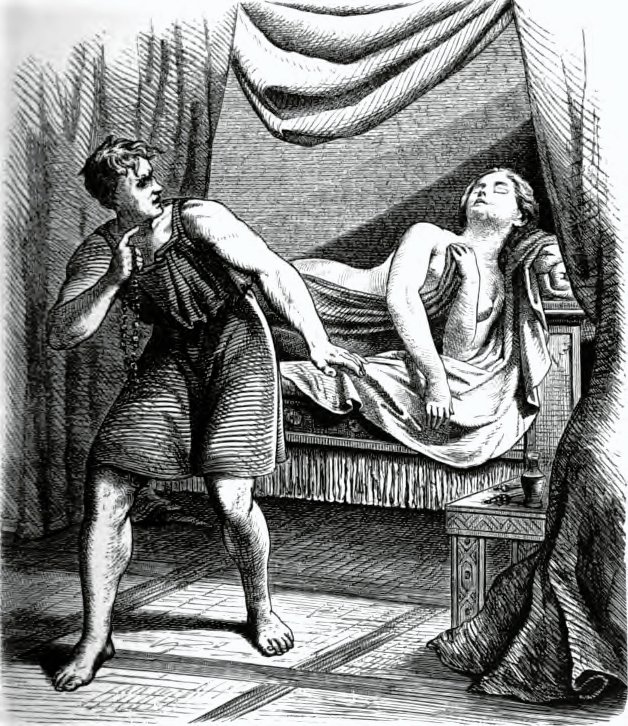
One of Freya’s most precious possessions is the Brísingamen, a beautiful gold or amber necklace (or belt), forged by four dwarves (the Brísings). According to one myth, she acquired the jewelry by spending a night with each of the four dwarves.
Loki later stole the jewelry, but it was retrieved by Heimdall after a fight. The Brísingamen symbolizes her beauty, wealth, and potential connection to magic and fertility.
7. Her cloak of falcon feathers
Freya possesses a magical cloak made of falcon feathers (Valshamr), which allows her (or whoever borrows it) to transform into a falcon and travel quickly through the air between worlds.
In various myths, she lends this feather cloak to other gods, such as Loki, to assist them in their adventures or quests.
8. Husband Ódr and her tears of gold
Freya is married to the god Ódr, who is often seen as a double or an aspect of Odin. However, Ódr is frequently absent, traveling to far-off lands.
Freya misses him terribly and cries tears of red gold while searching for him. These golden tears emphasize her aspect as a goddess of love and her immense wealth.
9. Her boar Hildisvíni
In addition to her cats, Freya is also associated with a boar named Hildisvíni (“Battle Swine”). In some stories, she rides this boar.
In Germanic and Norse culture, the boar was a symbol of fertility, but also of battle and protection. Her brother Freyr also possessed a golden boar, Gullinbursti.
10. Worshipped as a fertility goddess
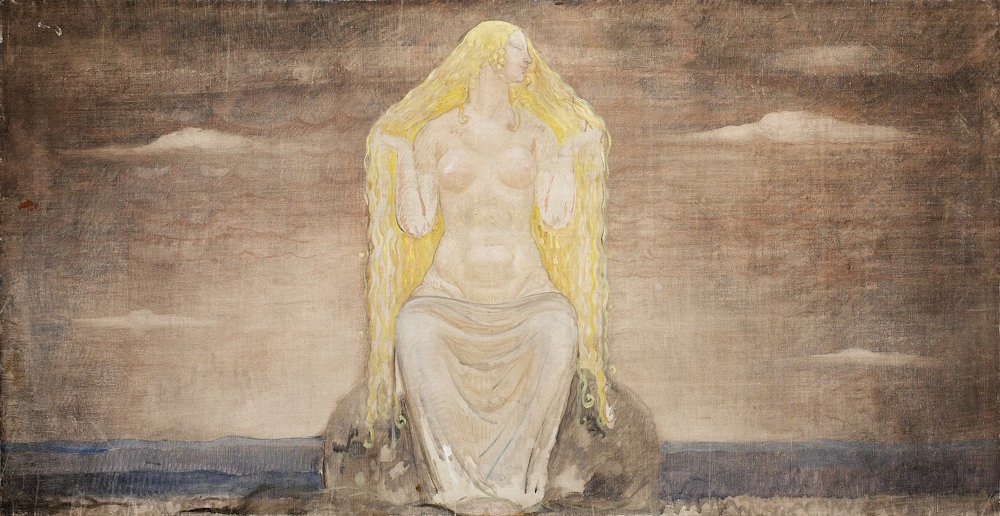
Despite her complex roles, Freya likely remained primarily important to common people as a goddess of fertility, love, and prosperity. She was invoked for help with childbirth, matters of love, and good harvests.
Her connection to the Vanir and symbols like the boar and (possibly) cats strongly point toward this original function.
11. Possible connection to Frigg
There is much debate among scholars regarding the relationship between Freya and Frigg, Odin’s wife and the goddess of marriage and motherhood. They share several overlapping domains (love, fertility, magic/prophecy) and their names appear etymologically related.
Some theories suggest they were originally the same goddess who later split into two figures, or that they represent different aspects of a larger female deity.
12. Survival in folklore and modern culture
Although the worship of Norse gods disappeared with Christianization, Freya’s influence survived in folklore, particularly in Scandinavia. The name “Friday” (German: Freitag) is likely derived from Freya or Frigg.
Today, she is experiencing a resurgence in popularity within modern pagan movements (Ásatrú) and regularly appears in fantasy literature, games, and other popular media, often as a powerful and independent female figure.
