


To truly understand the dawn of human history, we must look at the documents that first captured our laws, myths, and wisdom. This ranking follows a chronological order based on the oldest surviving physical versions of these works, spanning from clay tablets to the birth of the modern printed book.
Here are the 10 oldest books and manuscripts in the world and the enduring stories they tell.
1. The Instructions of Shuruppak (c. 2600 BC)
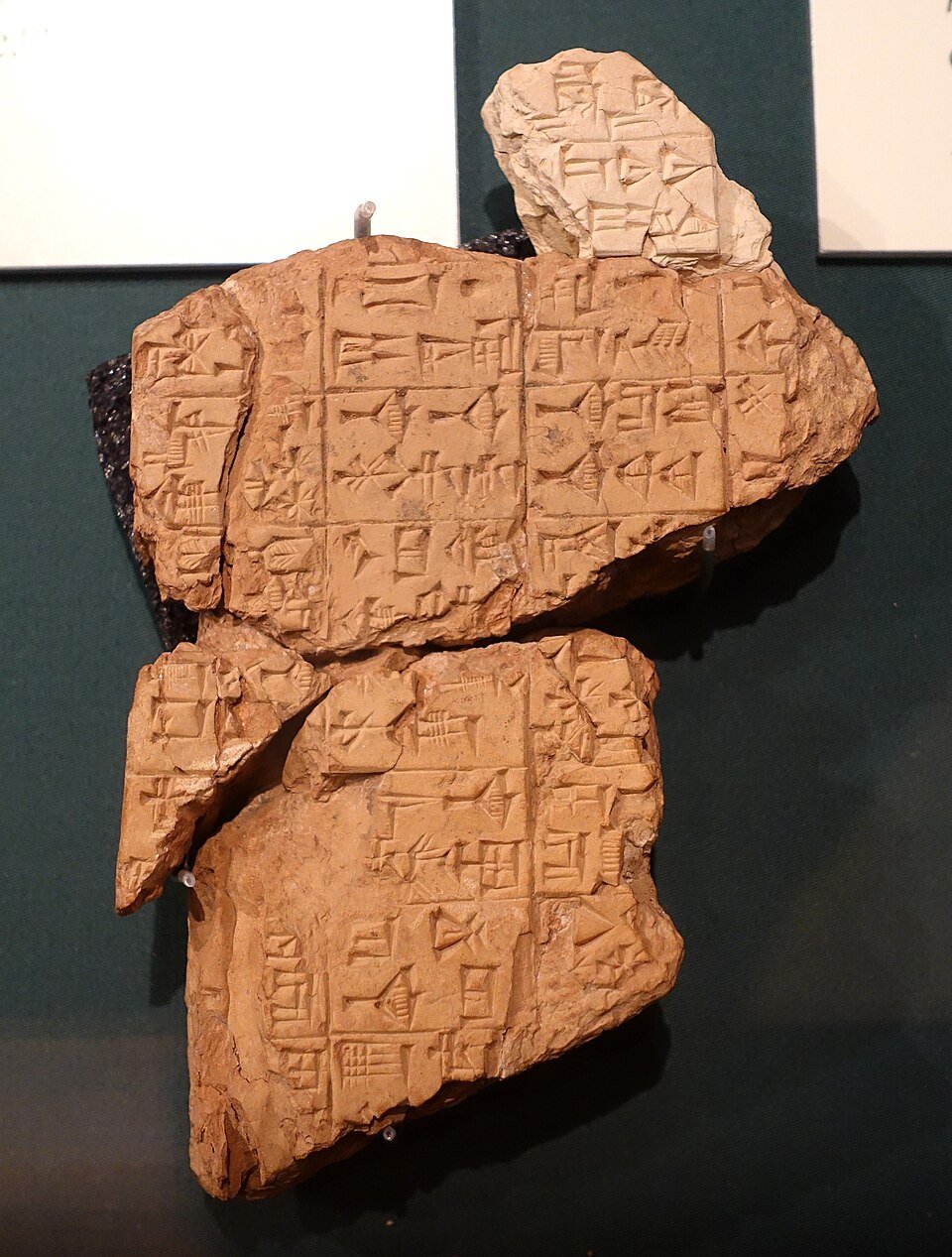
- Origin: Sumer (Modern-day Iraq)
- Format: Clay Tablet
Often cited as the oldest known “wisdom literature,” this Sumerian text takes the form of a father, Shuruppak, passing down life lessons to his son. It contains practical, ethical, and moral advice, such as “Do not buy a donkey that brays too much” or “A loving heart builds a house, a hating heart destroys a house.” It proves that the human desire to guide the next generation is thousands of years old.
2. The Pyramid Texts (c. 2400–2300 BC)
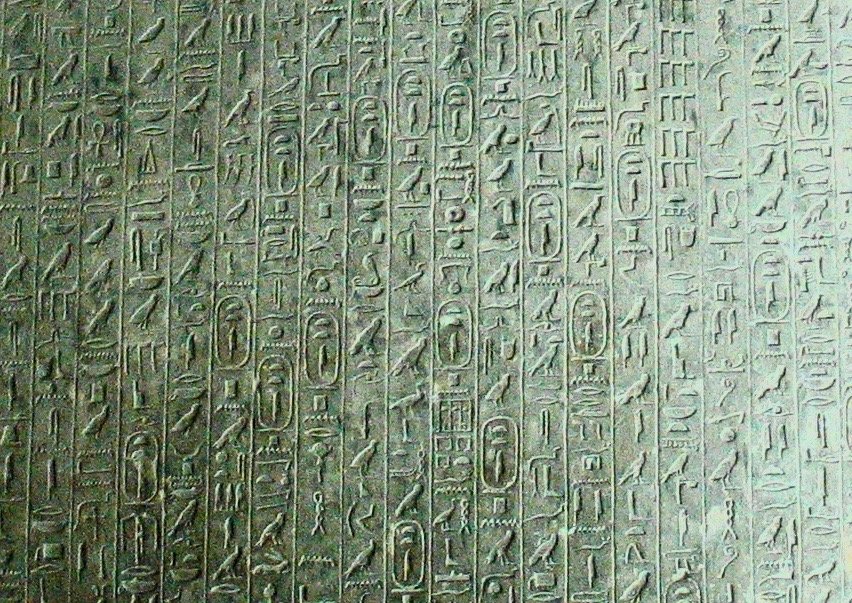
- Origin: Ancient Egypt
- Format: Wall Inscriptions (Stone)
These are the oldest known religious “texts,” carved into the walls and sarcophagi of the pyramids at Saqqara. They consist of spells and hymns designed to help the Pharaoh’s soul navigate the dangers of the underworld and join the gods in the stars. They are the precursor to the more famous Book of the Dead.
3. The Epic of Gilgamesh (c. 2100 BC)
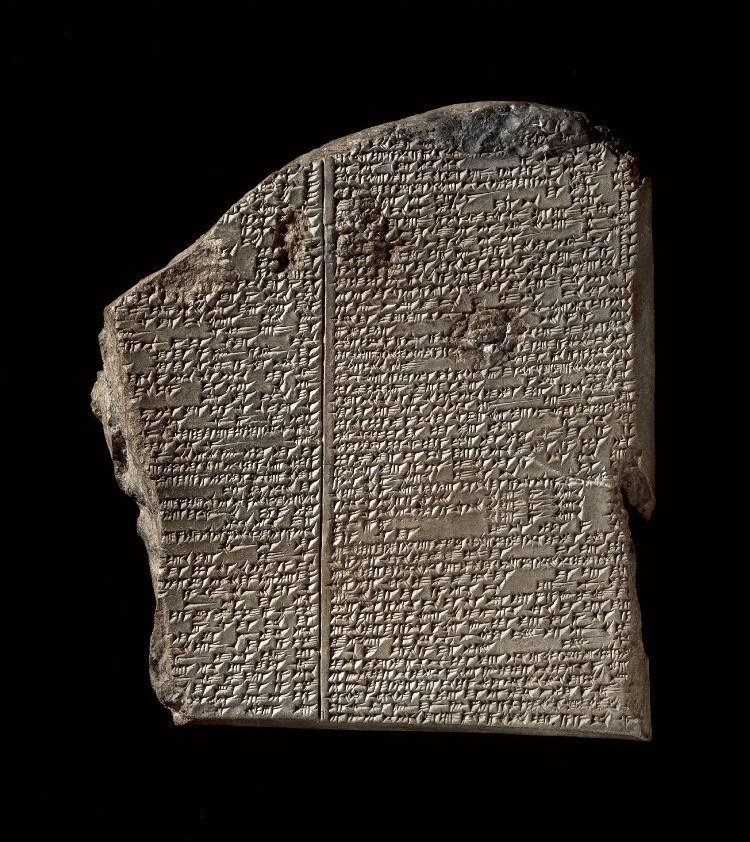
- Origin: Mesopotamia (Modern-day Iraq)
- Format: Clay Tablet
Widely considered the first great work of literature, this epic follows the semi-mythic King Gilgamesh. After the death of his best friend Enkidu, Gilgamesh embarks on a desperate quest to find the secret of eternal life. It features the earliest known version of the Great Flood story, which predates the biblical Noah by over a millennium.
4. The Rigveda (c. 1500–1200 BC)
- Origin: Ancient India
- Format: Oral tradition (later Palm Leaf Manuscripts)
The Rigveda is the oldest of the four Vedas and a foundational text of Hinduism. While it was not written down for centuries, its precise oral transmission kept its 1,028 hymns to the gods intact. It tells stories of the creation of the universe and the relationship between humanity and the divine through complex poetry and ritual instructions.
5. The Egyptian Book of the Dead (c. 1550 BC)
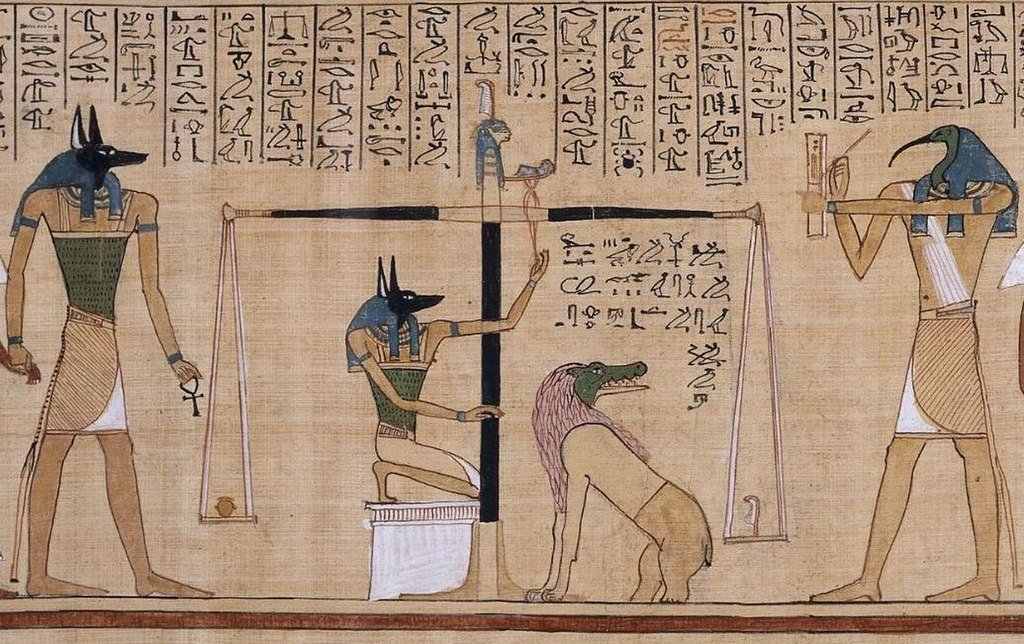
- Origin: Ancient Egypt
- Format: Papyrus Scroll
Unlike the Pyramid Texts, which were reserved for royalty, the Book of the Dead was a customized “guidebook” for any Egyptian who could afford one. It contains spells to help the heart pass the final judgment—where it is weighed against the feather of truth—ensuring safe passage into the Field of Reeds (paradise).
6. The Etruscan Gold Book (c. 600 BC)
- Origin: Etruria (Modern-day Bulgaria/Italy)
- Format: Gold Plates
Discovered in a tomb, this is thought to be the oldest “multi-page” bound book. It consists of six sheets of 24-carat gold bound by gold rings. The text is written in the mysterious, largely undeciphered Etruscan language and features illustrations of a horseman, a siren, and soldiers, likely serving as a ritual text for the afterlife.
7. The Dead Sea Scrolls (c. 150 BC – 70 AD)
- Origin: Judean Desert (Modern-day Israel)
- Format: Parchment and Papyrus Scrolls
Found in caves near the Dead Sea, these manuscripts contain the oldest known copies of nearly every book in the Hebrew Bible. They tell the story of a devout community awaiting a messianic age and provide a bridge between ancient Jewish traditions and the birth of Christianity.
8. The Nag Hammadi Library (c. 3rd – 4th Century AD)
- Origin: Upper Egypt
- Format: Leather-bound Papyrus Codices
Discovered in a sealed jar in 1945, these 13 codices contain “lost” Gnostic gospels, including the Gospel of Thomas. They tell a different, more mystical story of early Christianity that was eventually suppressed by the mainstream church, emphasizing internal knowledge (gnosis) over institutional faith.
9. The St. Cuthbert Gospel (c. 7th Century AD)
- Origin: Lindisfarne, England
- Format: Bound Parchment (Vellum)
This is Europe’s oldest intact, bound book. It was buried in the coffin of St. Cuthbert and rediscovered centuries later. Its red leather binding is incredibly well-preserved. It contains the Gospel of John and symbolizes the survival of Christian learning during the Viking age.
10. The Diamond Sutra (868 AD)
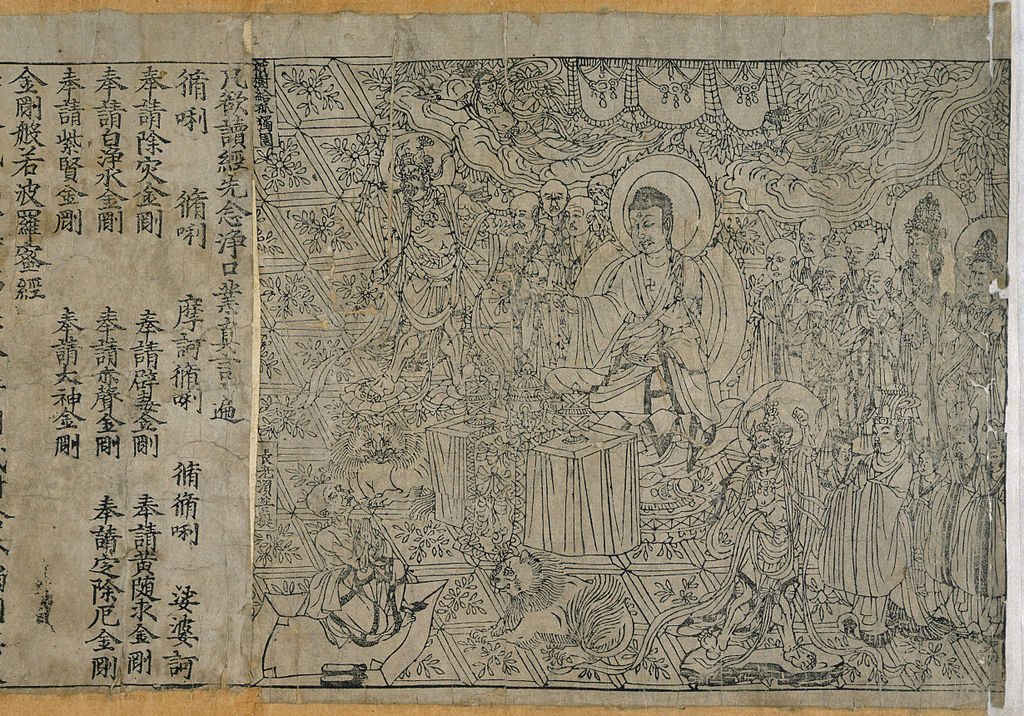
- Origin: China
- Format: Woodblock-printed Scroll
This is the world’s oldest dated, printed book. Found in a walled-up cave in Dunhuang, it is a key Buddhist text about the nature of reality and non-attachment. An inscription at the end notes it was printed by a man named Wang Jie for free distribution to honor his parents, marking the true beginning of the age of printed media.
