The history books of classical music mainly feature men. Bach, Beethoven, Mozart: you know them.
But if you explore beneath the surface, you will discover a wealth of female composers who were equally brilliant, innovative and influential. Some fought against the spirit of the times, others composed in silence or in the shadows of more famous husbands and brothers. For more exciting lists, explore our guide to pioneering classical musical artists.
10. Kaija Saariaho (1952-2023)
The Finnish Saariaho became one of the most important composers of the 21st century. Her works, often for opera or orchestra, are full of timbres, electronics and emotional intensity.
In 2021, her opera L’Amour de Loin was performed at the Metropolitan Opera in New York: a unique achievement for a female composer.
9. Florence Price (1887-1953)
The first African-American woman to have her work performed by a major American symphony orchestra. Florence Price incorporated spirituals, African rhythms and European classical structures into a unique, moving style.
Her symphonies and piano works have only recently been rediscovered, and rightly so. Its distinct appeal continues to impress longtime enthusiasts.
8. Lili Boulanger (1893-1918)
Lili was the younger sister of the famous music teacher Nadia Boulanger, but rivaled her at a young age. She was the first woman to win the prestigious Prix de Rome.
Her music, intense, poetic and often melancholic, shows a promise that was cut short too soon. She died at the age of 24 from chronic illness.
7. Ethel Smyth (1858-1944)
Ethel Smyth was anything but subdued. In Victorian England she fought on several fronts at the same time: as a composer in a man’s world and as an activist for women’s suffrage.
Her music: from chamber music to opera: was powerful, ambitious and distinctly romantic.
6. Clara Schumann (1819-1896)
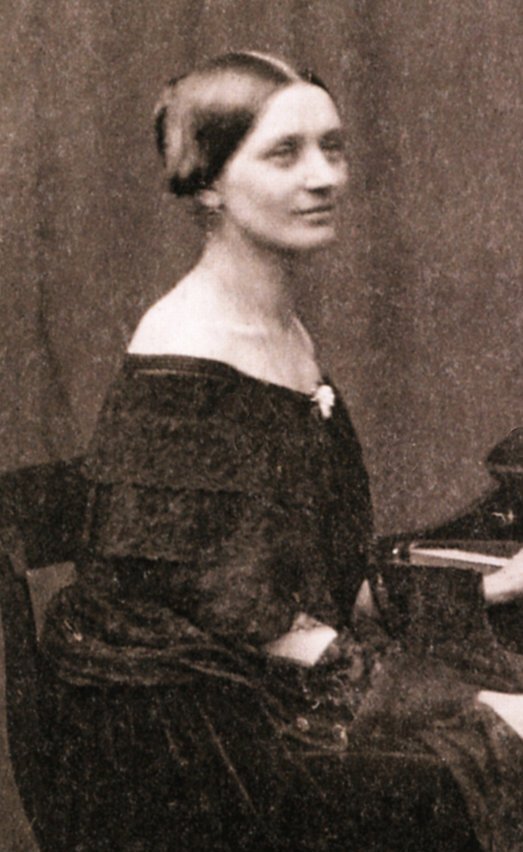
Piano virtuoso, wife of Robert Schumann, girlfriend of Brahms, but also a composer of stature. Clara’s work is refined, passionate and deeply personal.
Her piano concerto, chamber music and songs are among the most beautiful from Romanticism. She was one of the first women to perform as a professional musician.
5. Fanny Mendelssohn (1805-1847)
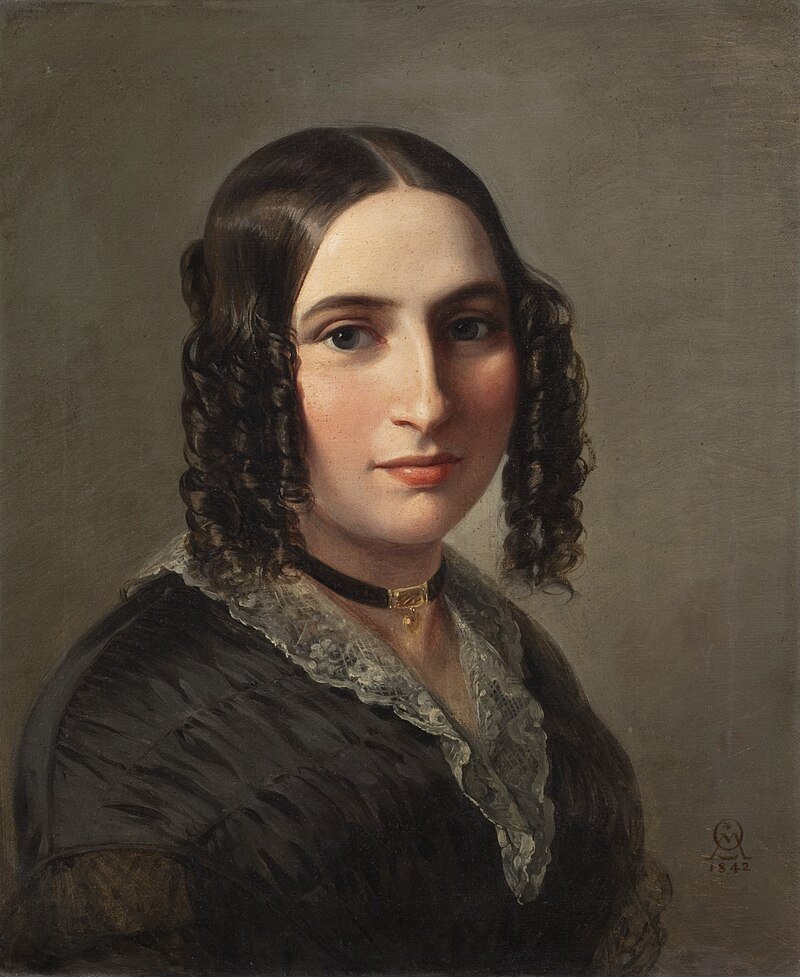
Sister of Felix Mendelssohn, but just as much of a musical genius herself. Fanny composed more than 460 works, from songs to orchestral pieces.
In her time she was held back by social conventions: women were not supposed to compose for the public. But in her work you hear a voice that surpasses everything.
4. Élisabeth Jacquet de La Guerre (1665-1729)
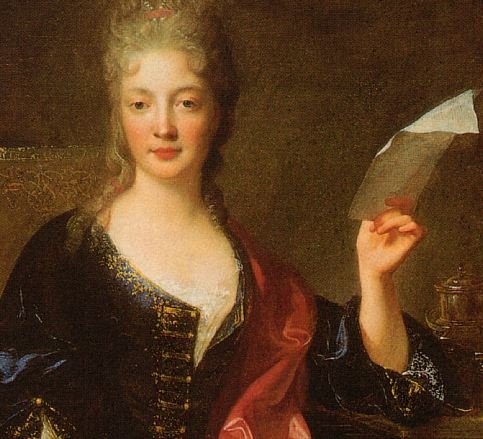
Already a musical prodigy as a child at the court of Louis XIV. Jacquet de La Guerre composed operas, sonatas and suites, and was one of the first French women to be taken seriously as a composer.
She was admired for her virtuosity on the harpsichord and for her original style.
3. Barbara Strozzi (1619-1677)
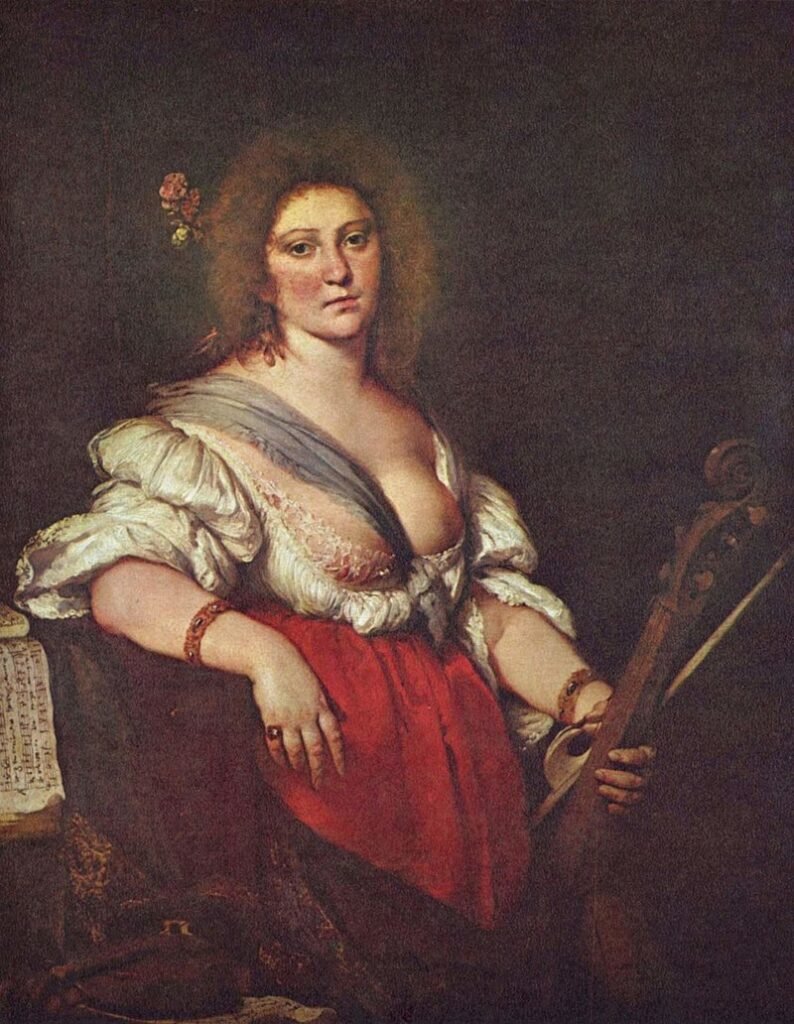
In baroque Venice she sang herself into history. As the daughter of a librettist, Strozzi gained access to literary circles, and seized the opportunity with both hands.
She wrote madrigals, cantatas and arias with an emotional intensity that often surpassed her male contemporaries. Its distinct appeal continues to impress longtime enthusiasts.
2. Francesca Caccini (1587-1641)
Italy, early 17th century: the Baroque is still young, opera a new genre. And there stands Francesca Caccini, daughter of composer Giulio Caccini, at the Florentine court writing music that makes her male contemporaries blush.
In 1625, she composed La liberazione di Ruggiero dall’isola d’Alcina, the very first opera by a woman ever performed, and for a foreign royal visitor. Francesca was not only a composer, but also a singer, poet and harpsichordist.
1. Hildegard von Bingen (1098-1179)

Abbess, mystic, poet and composer. Hildegard was a phenomenon in the 12th century.
Her Gregorian chants are distinguished by their free melodies and spiritual depth. Every selection highlighted here represents an exceptional example of talent, dedication, or historical significance.
Which choice on this list is your personal favorite? Share your thoughts and rankings in the comments below.