The Winter Games are now tightly organized. Everything is measurable, standardized and controlled down to the millimeter.
Things used to be different, everything seemed possible. These are ten events that were once (briefly) Olympic, and then disappeared again. For more engaging lists, check out our guide to historic sporting competitions.
1. The Olympic Mountaineering Prize (1924, 1932, 1936)
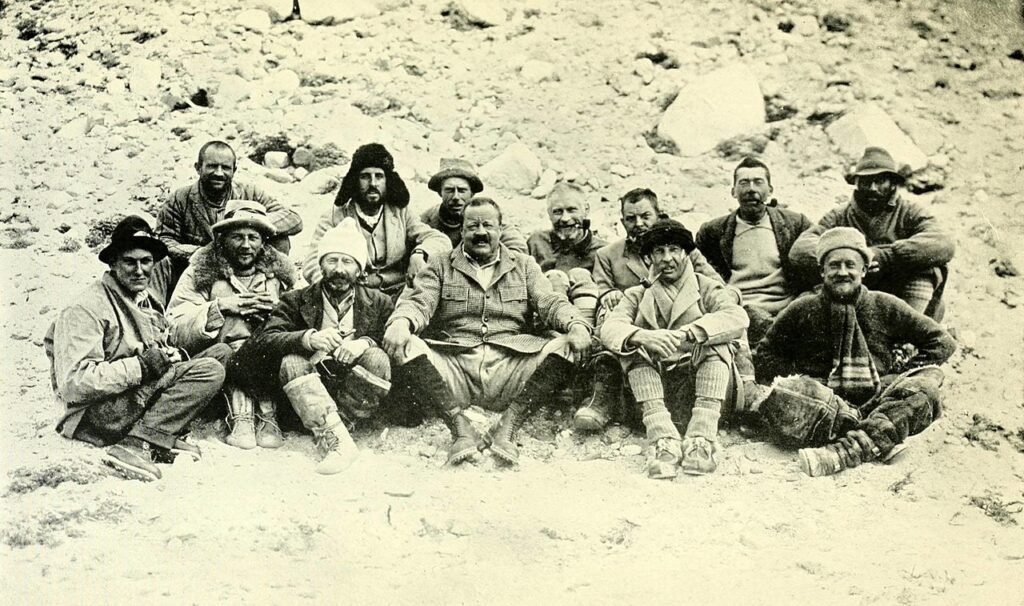
This is without a doubt the strangest part in the history of the Games. There was no starting gun, no finish line and no stopwatch involved. The IOC awarded a prize for a special achievement in the mountains that had been achieved in the years before the Games.
2. Curling, Gone and Back (official 1924, officially back 1998)
Nowadays, curling has become an indispensable part of the TV, but the road to recognition was a bureaucratic marathon. The sport was already on the program during the very first Winter Games in 1924, but the medals from then were only officially recognized as Olympic by the IOC in 2006 (!).
There was a huge gap between them. Curling disappeared from the medal list for decades and had to make do with a marginal role as a demonstration sport. It was not until the 1998 Games in Nagano that the sport made a definitive and successful comeback as an official event.
3. Speed Skiing (Albertville 1992)
This was winter sports in its most extreme and dangerous form. In Albertville, daredevils in futuristic, aerodynamic latex suits and helmet spoilers dived down a terrifyingly steep slope.
The goal? Hit the highest possible speed, often well above 200 kilometers per hour. It was a demonstration sport that pushed the limits of human fear, but the atmosphere changed completely when Swiss participant Nicolas Bochatay suffered a fatal accident during training.
4. Ski ballet (acroski) (Calgary 1988 and Albertville 1992)
Nowadays we know freestyle skiing from the terrifying “big jumps” and the spectacular jumps in the halfpipe. But at the end of the eighties there was a completely different sport: ski ballet.
On a relatively flat slope, skiers performed a complete choreography to music, including graceful turns, jumps and a lot of show. It was kind of like figure skating, but with skis and poles.
5. Sled dog race (Lake Placid 1932)
In 1932, Lake Placid was the setting for a spectacle that would immediately make a Netflix documentary about today. No motorcycles or skates, but teams of six dogs that thundered more than 80 kilometers through the icy cold two days in a row.
It was just that one time; the enormous organization and complexity surrounding the welfare and transport of the dogs ensured that this dog sport quietly disappeared from the Olympic program. Critics and fans worldwide continue to celebrate this remarkable artistic achievement.
6. Bandy (Oslo 1952)
Imagine ice hockey, but with a ball and on an ice field the size of a football field. That’s bandy. In 1952, this sport was given a coveted place as a demonstration event in Oslo.
7. Winter pentathlon (St. Moritz 1948)
In 1948, the winter pentathlon was a sport for real all-rounders, a kind of winter variant on the classic modern pentathlon. The program was grueling and diverse: athletes had to cross-country ski, shoot, descend on skis, fence and horse ride.
The idea was beautiful on paper and was supposed to designate the ultimate, versatile winter sports enthusiast. Critics and fans worldwide continue to celebrate this remarkable artistic achievement.
8. Ice curling, Eisstockschießen (1936 and 1964)
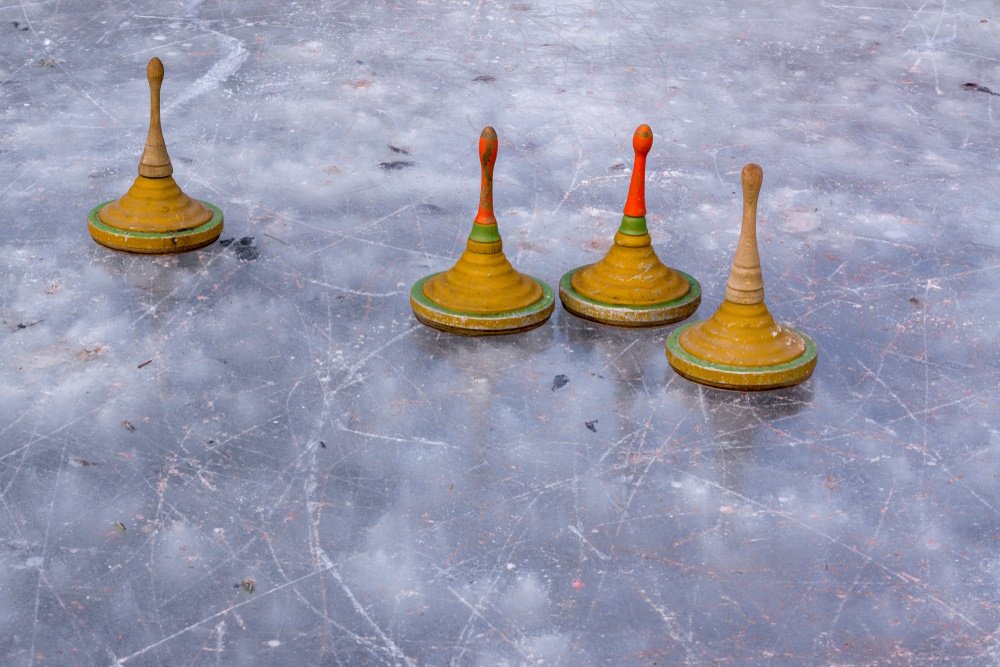
Ice curling looks like curling at first glance, but appearances can be deceiving. The “stick” is a lot heavier and the rules of the game are essentially different.
This sport, known as Eisstockschießen in Germany and Austria, appeared twice as a demonstration sport on the Olympic stage: in 1936 and again in 1964. Although it is a huge sport with a rich tradition in the Alpine countries, it remained a great unknown outside of it.
And that is fatal in the eyes of the IOC. Without a broad international base and practitioners around the world, it is almost impossible to achieve the status of an official Olympic sport.
9. Military patrol (official 1924, demonstration 1928, 1936, 1948)
The military patrol can be seen as the rough, unvarnished predecessor of today’s biathlon. In 1924, during the very first Winter Games, it was even on the program as an official medal sport.
Teams of four men had to ski a grueling 25 kilometer cross-country course, including packing and shooting exercises along the way. It was a pure war of attrition that resulted directly from military training in the mountains.
10. Skijoring (St. Moritz 1928)
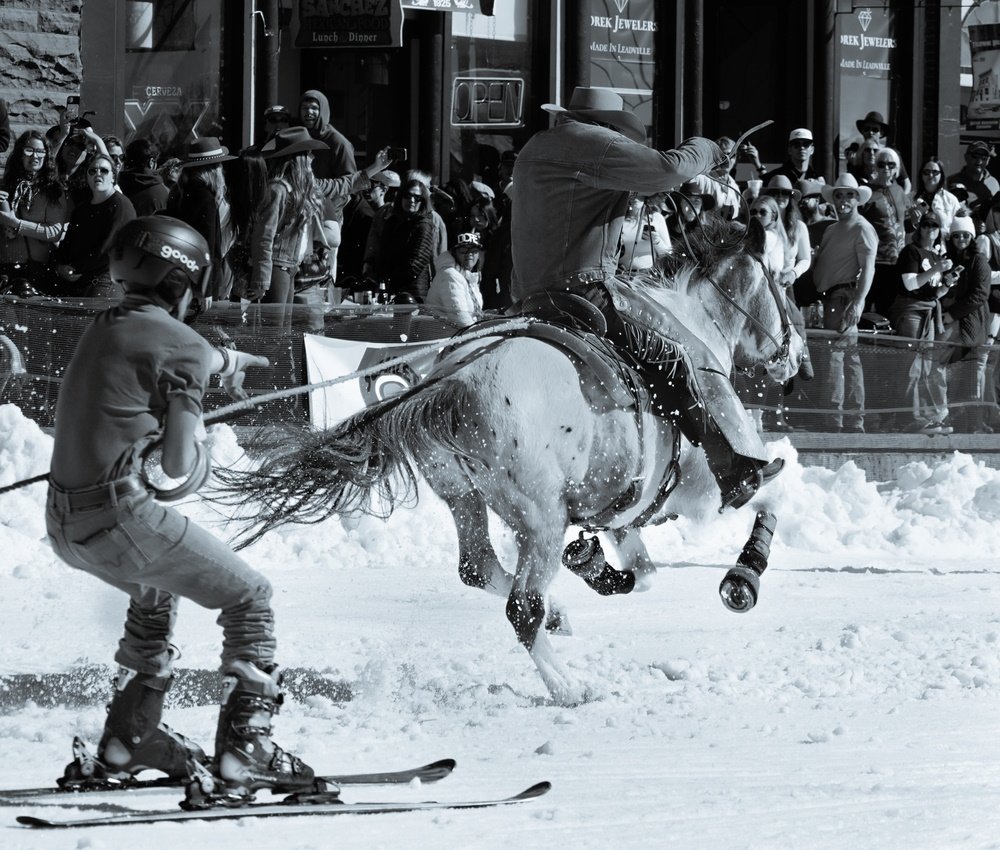
A skier who is pulled along with a line by a horse that thunders across the ice at full gallop: that was skijoring at the 1928 Games in St. It was a spectacular demonstration sport that made the hearts of the local public beat faster, but it remained just that one Olympic introduction.
Due to the lack of standardization and the great risks on the ice, skijoring was thanked for its services immediately after the St. Moritz Games.
Every selection featured here represents a distinctive creative milestone that left a permanent impression on popular culture. Which of these legendary favorites deserves the crown as your personal number one?